
Govt Warns Fuel Dealers Against Hoarding as Prices Surge
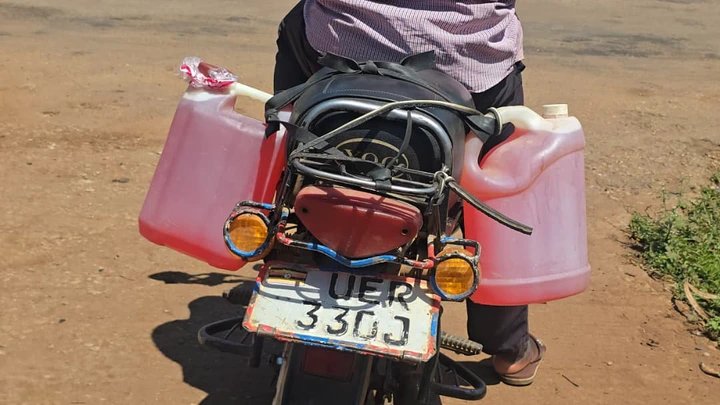

The State Minister for Trade, David Bahati, has warned of government action against fuel dealers suspected of hoarding products and distorting prices amid rising pump costs.
Rising pump prices and reported stock-outs have triggered government scrutiny of fuel dealers, with officials warning of enforcement action while assuring the public of sufficient national reserves and incoming shipments.
The State Minister for Trade, David Bahati, has warned of government action against fuel dealers suspected of hoarding products and distorting prices amid rising pump costs.
His warning comes at a time when fuel prices continue to increase across the country, raising concern among motorists and businesses.
Petrol is now averaging about Shs5,500 per litre, with reports of prices hitting Shs6,000 in some areas. There have also been cases of fuel stations running dry, with suspicions that some operators are withholding stock to sellat higher prices.
Addressing Parliament on Friday, Bahati said the government is closely monitoring the supply chain and will take action against those manipulating the market.
“The fuel is being brought in by UNOC, our government institution, and we know the list of people who buy from UNOC. So we know the people and at what price. So we are going to follow up to ensure that there is no price distortion in the market and also we have enough, to the extent possible, enough fuel stock,†he said.
He added that the government will use its control over imports through the Uganda National Oil Company to curb speculation and enforce fair pricing.
“…the good thing is that we are the ones buying fuel we are the ones selling to the people who are selling to the population… and so we will be able to monitor that and stop this speculation and distortion…,†Bahati added.
During the same sitting, the Speaker of Parliament, Anita Among, called for urgent communication from the energy ministry to address public anxiety and alleged hoarding by dealers.
“You need to get the minister of energy to communicate to these people… Because they are affecting our Ugandans, it affects the cost of goods because the fuel prices have gone high. And even if you have the money, you cannot be able to get fuel because people are keeping fuel with the expectation of selling it at a higher price,†she said.
The developments come against a backdrop of rising global fuel prices linked to tensions in the Middle East, which have disrupted supply chains and pushed up costs worldwide.
Uganda, which relies entirely on imported petroleum products, has been directly affected by the global shocks.
However, the government earlier this week reassured the public that the country has sufficient fuel reserves.
According to the Ministry of Energy and Mineral Development and UNOC, Uganda’s petrol stock currently stands at about 49 days of cover, with additional shipments expected in the coming weeks.
Government said more than 70 million litres of petrol and over 40 million litres of diesel are already in transit, part of a broader plan to maintain stable supply.
Despite these assurances, the continued rise in pump prices and reports of stock-outs have intensified scrutiny on fuel dealers.


 Starlink goes live in Uganda; price comparisons against MTN, Airtel
Ultimate Uganda
Starlink goes live in Uganda; price comparisons against MTN, Airtel
Ultimate Uganda
 NSSF sets September 24 for Annual Members Meeting as savers await interest rate declaration
Ultimate Uganda
NSSF sets September 24 for Annual Members Meeting as savers await interest rate declaration
Ultimate Uganda
 Boda boda riders launch e-commerce, digital loans platform
Ultimate Uganda
Boda boda riders launch e-commerce, digital loans platform
Ultimate Uganda
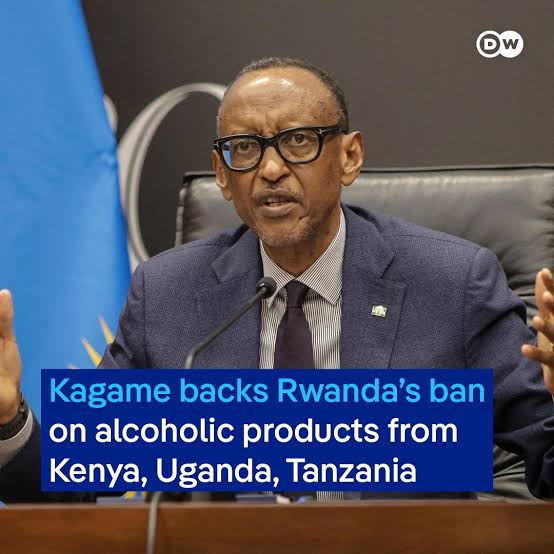 Rwanda: We Cannot Sit and Watch As Illicit Alcohol Kills People - Kagame
Ultimate Uganda
Rwanda: We Cannot Sit and Watch As Illicit Alcohol Kills People - Kagame
Ultimate Uganda
0 Comments