
High Court Clarifies: Fraud Allegations in Public Contract Disputes Must Be Heard—Even Late


Allen Kagina, former Executive Director of the now-defunct Uganda National Roads Authority (UNRA), and Gen. Katumba Wamala, Minister of Works and Transport, are central figures in Uganda’s road infrastructure sector, now under renewed scrutiny following a High Court ruling on procurement integrity and fraud allegations.
Allen Kagina, former Executive Director of the now-defunct Uganda National Roads Authority (UNRA), and Gen. Katumba Wamala, Minister of Works and Transport, are central figures in Uganda’s road infrastructure sector, now under renewed scrutiny following a High Court ruling on procurement integrity and fraud allegations.
The case stems from a major infrastructure procurement initiated by the former Uganda National Roads Authority (UNRA), now operating under the Ministry of Works and Transport, for the upgrading of key road sections in western Uganda. The project, financed by the Islamic Development Bank (IsDB), covered the Kyenjojo (Kihura)–Bwizi–Rwamwanja–Kahunge corridor, Mpara–Bwizi Road, and additional town roads.
Nine bidders participated in the international tender process, with the contract eventually awarded to The Arab Contractors (Osman Ahmed Osman & Co.). Following the notification of intent to award in July 2024, Lankaran Yol Tinkinti OJSC, in joint venture with UCA Insaat, filed an initial complaint questioning aspects of the winning bid, including pricing discrepancies.
That complaint was reviewed and dismissed by the procuring entity. The contract was subsequently signed in December 2024.
Several months later, in February 2025, the same bidder filed a fresh complaint, this time alleging “specific incidents of fraud and/or corruption†in the preparation of the winning bid. The Accounting Officer rejected the complaint on the basis that it had been filed outside the prescribed timelines for procurement challenges.
Dissatisfied, the bidder escalated the matter to the Public Procurement and Disposal of Public Assets (PPDA) Appeals Tribunal. However, the Tribunal dismissed the application, ruling that it was time-barred and that the applicant lacked the legal standing to pursue the claim, given that the bid validity period had expired.
High Court Reverses Tribunal on Key Legal Questions
On appeal, the High Court was asked to determine whether the Tribunal had erred in law by refusing to hear the case on its merits. The court focused on two central issues: whether the complaint was properly dismissed as out of time, and whether the appellant had the necessary locus standi to bring the application.
In its judgment delivered on April 23, 2026, the court found in favour of the appellant on both grounds.
On the question of timelines, the court acknowledged that procurement law imposes strict deadlines, typically requiring complaints to be filed within ten working days of a bidder becoming aware of the issue. However, it distinguished between ordinary procurement complaints and those involving allegations of fraud or corruption.
The court noted that the applicable IsDB procurement guidelines allow for “separate and additional procedures†in cases involving fraud, and do not impose the same rigid time constraints. It further observed that fraud, by its nature, may only be discovered after the conclusion of a procurement process.
In a pointed observation, the court emphasised that applying procedural timelines in a manner that shields alleged fraud would undermine the very purpose of procurement regulation. Integrity, it held, is a foundational principle that cannot be subordinated to technical compliance.
On the issue of locus standi, the court rejected the Tribunal’s finding that the appellant had lost standing due to the expiry of its bid validity. It held that the right to challenge a procurement decision arises at the point when the grievance occurs and is exercised when the application is filed. The subsequent expiry of the bid does not extinguish that right.
The court also noted that the appellant had indicated that its bid validity had been extended, and that this assertion was not contested by the respondent.
Implications for Procurement Oversight and Investor Confidence
Having found that the Tribunal erred in law, the High Court allowed the appeal, set aside the Tribunal’s decision, and referred the matter back for a full hearing on its merits. Each party was ordered to bear its own costs.
While the ruling does not determine whether fraud occurred, it significantly lowers procedural barriers to raising such allegations in public procurement disputes. By affirming that fraud claims must be heard—even when brought outside standard timelines—the decision reinforces the principle that accountability mechanisms must remain accessible throughout the lifecycle of a project.
For procuring entities, the ruling underscores the need for vigilance and responsiveness to post-award concerns, particularly in projects funded by development partners with stringent anti-corruption standards. For bidders, it affirms that avenues for redress remain open where credible allegations of misconduct arise.
The decision also carries broader implications for Uganda’s investment climate. Infrastructure projects financed by institutions such as the IsDB often involve complex procurement frameworks that balance local law with donor requirements. The court’s interpretation signals a willingness to harmonise these frameworks in favour of transparency and ethical compliance.
As the matter returns to the PPDA Appeals Tribunal, attention will now shift to the substance of the fraud allegations—issues that were previously left unexamined. The outcome of that process could have material consequences not only for the parties involved but also for the governance of large-scale public contracts in Uganda.
In the meantime, the High Court’s message is clear: procedural rules are essential for order and predictability, but they must not become instruments for avoiding scrutiny where integrity is in question.


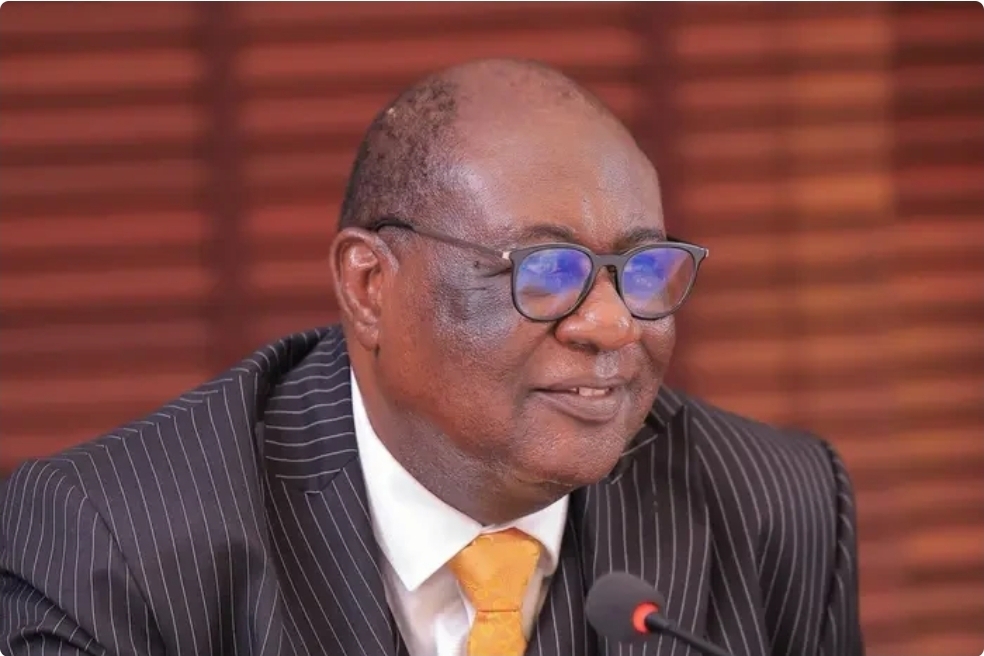 Government will not gazette Kijanangoma as King of Tooro for now - Attorney General insists
Ultimate Uganda
Government will not gazette Kijanangoma as King of Tooro for now - Attorney General insists
Ultimate Uganda
 King Oyo’s Body to Arrive Thursday
Ultimate Uganda
King Oyo’s Body to Arrive Thursday
Ultimate Uganda
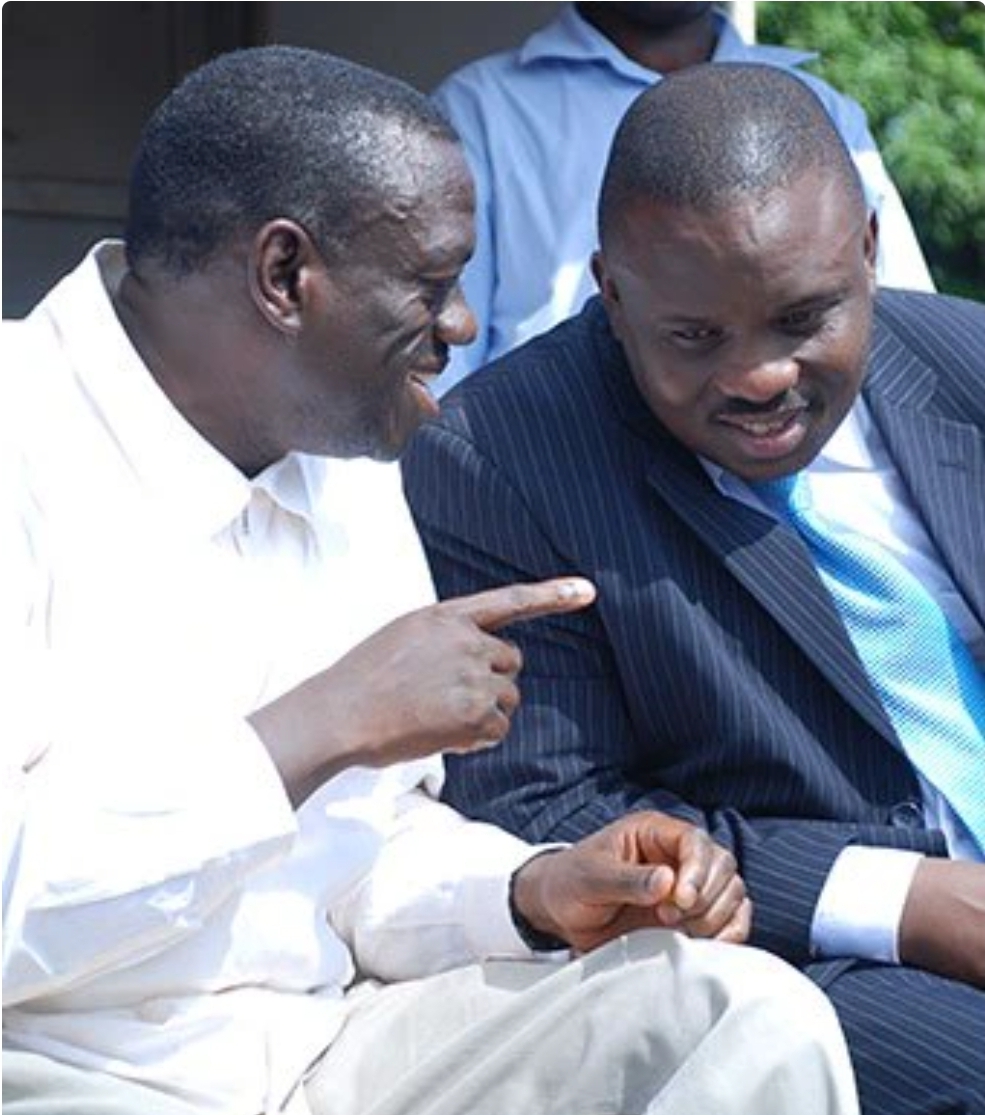 Besigye, Lukwago expected to meet Gen. Salim Saleh today at Kapeeke
Ultimate Uganda
Besigye, Lukwago expected to meet Gen. Salim Saleh today at Kapeeke
Ultimate Uganda
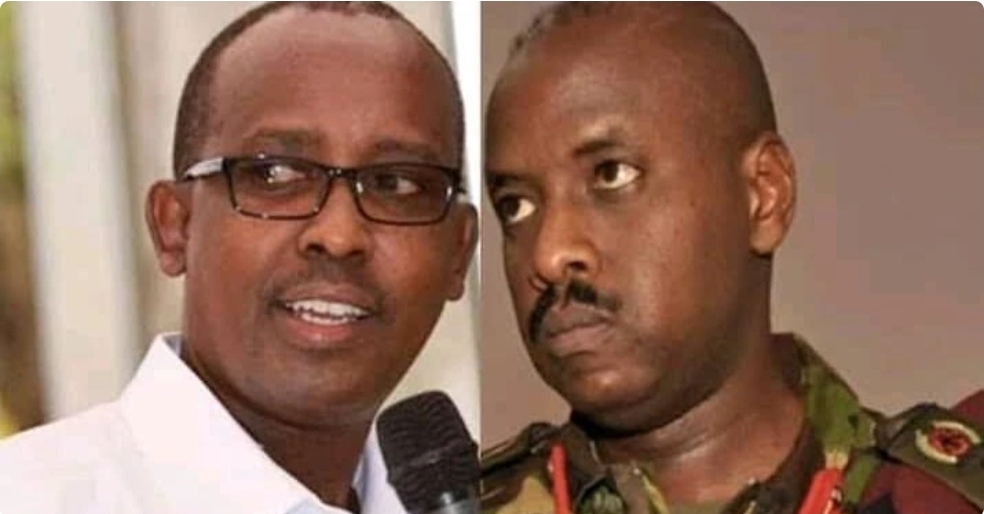 Rwabwogo Advised to ‘Eat His Bishop’ As MK Prepares to Enter State H’se: PREZ MUSEVENI ON HIS WAY OUT
Ultimate Uganda
Rwabwogo Advised to ‘Eat His Bishop’ As MK Prepares to Enter State H’se: PREZ MUSEVENI ON HIS WAY OUT
Ultimate Uganda
0 Comments