
Lira city alarmed by illegal immigrants

In Lira City, concerns are brewing over the rising number of illegal immigrants occupying the area.
Mostly from Eritrea, Somalia, Ethiopia, South Sudan and the Democratic Republic of Congo, security officials say the illegal immigrants pose as students and dependents on their colleagues in the area.
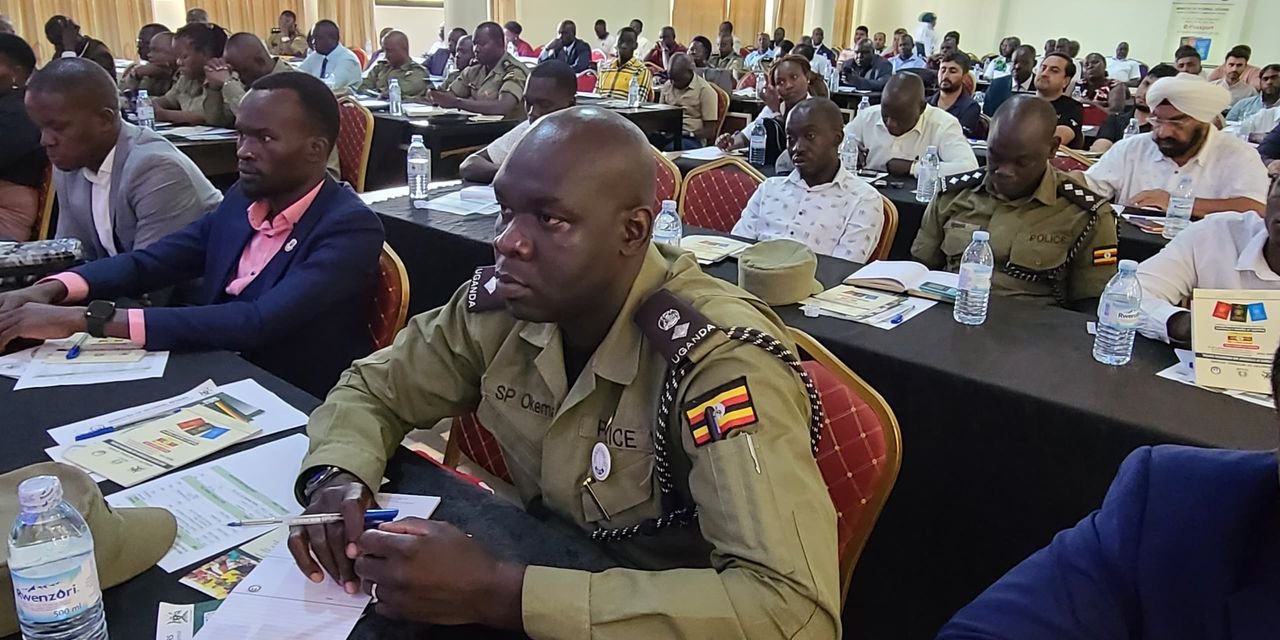
Last Tuesday, stakeholders in Lira City raised concerns during a regional meeting held at Margarita Palace Hotel, organised by the Ministry of Internal Affairs at the Department of National Citizenship and Immigration Control.
The leaders noted that hundreds of foreigners have entered and settled in Lira City without proper documents, posing a security risk to the natives and straining resources.
“We welcome those fleeing hardship, but many are entering without passes or following immigration procedures. This creates loopholes that put pressure on our schools, hospitals, and housing, and it complicates security operations,†said Mr Sam Atul, Lira City Mayor.
Adding that, “We have among our midst urban refugees, but when we raised this issue with the Office of the Prime Minister, they said they cannot recognise them, and yet they are here and living in our cities. They are supposed to enjoy the services that we offer as a city; their children have to go to school,†he explained.
School authorities, including Mr Moses Felix Olal, the Administrator of Davinah Junior School in Lira City, disclosed that his school has numerous learners who are foreigners, yet the majority of them are without official immigration documents.
North Kyoga Regional Police Spokesperson SP Jimmy Patrick Okema said that until the Office of the Prime Minister identifies the affected persons, the police remain restrained from enforcing actions against them.
“In an area where we have an influx of foreigners, many things do happen, but of course, as security, it is within our docket to work jointly with the team from immigration to see that as they do their part for identifying, registering this particular group of people, we work collaboratively,†he said.
Meanwhile, Mr Robert Kato Kahwa, the Assistant Commissioner in the Department of Inspection and Compliance in the National Citizenship and Immigration Control, said that Lira’s position as a business hub has made it vulnerable to irregular migration and suspected cases of immigrant smuggling.
“Trafficking and smuggling are major problems that young people are facing today. So what happens is that people are being duped to go for labour export outside the country, others are being trafficked and exploited, whereas others are smuggled,†he said.
He attributed the influx of refugees to conflicts, employment opportunities, education, trade and the establishment of porous borders.
“Another issue we have is the issue of porous borders, of which, as the immigration team, we cannot have an immigration officer in each of those borders.’’ He explained.
Despite these challenges, he said the government has made progress in modernising border management through automation systems and the establishment of one-stop border posts to improve efficiency and data collection.
“Immigration systems such as MIDA’s and INTERPOL-Linked databases are helping authorities track individuals entering the country and intercept those flagged internationally,†he said.


 Government will not gazette Kijanangoma as King of Tooro for now - Attorney General insists
Ultimate Uganda
Government will not gazette Kijanangoma as King of Tooro for now - Attorney General insists
Ultimate Uganda
 King Oyo’s Body to Arrive Thursday
Ultimate Uganda
King Oyo’s Body to Arrive Thursday
Ultimate Uganda
 Besigye, Lukwago expected to meet Gen. Salim Saleh today at Kapeeke
Ultimate Uganda
Besigye, Lukwago expected to meet Gen. Salim Saleh today at Kapeeke
Ultimate Uganda
 Rwabwogo Advised to ‘Eat His Bishop’ As MK Prepares to Enter State H’se: PREZ MUSEVENI ON HIS WAY OUT
Ultimate Uganda
Rwabwogo Advised to ‘Eat His Bishop’ As MK Prepares to Enter State H’se: PREZ MUSEVENI ON HIS WAY OUT
Ultimate Uganda
0 Comments