
Female Fish Traders Raise Alarm Over Rising Harassment, Corruption, and Trade Barriers


Female fish traders operating along Uganda’s border points have raised concern over rising cases of sexual harassment, corruption, and inconsistent trade regulations that they say are undermining their businesses and livelihoods.
The complaints were voiced during a stakeholder dialogue organised by Kilimo Trust in partnership with TradeMark Africa in Kasese Town, bringing together policymakers, trade associations and private sector actors to discuss barriers affecting the fisheries trade in the region.
The traders, particularly from Kasese and Busia border areas, said they are operating in a hostile environment marked by exploitation, extortion and regulatory uncertainty.
Zira Babu, a fish trader from Busia District, said women in the trade are often subjected to harassment and exploitation along the value chain.“We face sexual harassment and extortion at every turn. Our limited resources make us easy targets,†she said.
Angela Nafula Odongo, Chairperson of the Fish Traders’ Cooperative in Busia, said lack of proper licensing has also led to frequent confiscation of goods, resulting in heavy financial losses for traders.“Many of our cargos are impounded because we lack proper documentation,†she explained.
In Mpondwe-Lhubiriha Town Council in Kasese District, trader Merina Masika Mafuta said limited access to capital continues to restrict business growth, leaving local traders unable to compete with counterparts from neighbouring countries.
She noted that traders from countries such as Sudan and Tanzania often dominate regional markets, making it difficult for small-scale Ugandan traders to access affordable supplies.
These challenges, participants said, have contributed to a decline in participation of women and youth in fish trading initiatives, undermining broader economic empowerment efforts.
Kilimo Trust Programs Officer Daniel Ojiambao said the issues pose a serious threat to the sustainability of the fisheries sector, urging coordinated reforms to address them. Officials from government also acknowledged the concerns.
Richard Rugadya, Principal Fisheries Officer at the Ministry of Agriculture, Animal Industry and Fisheries, expressed concern over the reported challenges and pledged government intervention.
He said authorities would work with relevant agencies to address issues of extortion, taxation, and licensing in order to create a more enabling trade environment.
Stakeholders at the dialogue agreed on the need for coordinated regional efforts to improve regulation, protect traders, and strengthen cross-border fisheries trade systems.


 Starlink goes live in Uganda; price comparisons against MTN, Airtel
Ultimate Uganda
Starlink goes live in Uganda; price comparisons against MTN, Airtel
Ultimate Uganda
 NSSF sets September 24 for Annual Members Meeting as savers await interest rate declaration
Ultimate Uganda
NSSF sets September 24 for Annual Members Meeting as savers await interest rate declaration
Ultimate Uganda
 Boda boda riders launch e-commerce, digital loans platform
Ultimate Uganda
Boda boda riders launch e-commerce, digital loans platform
Ultimate Uganda
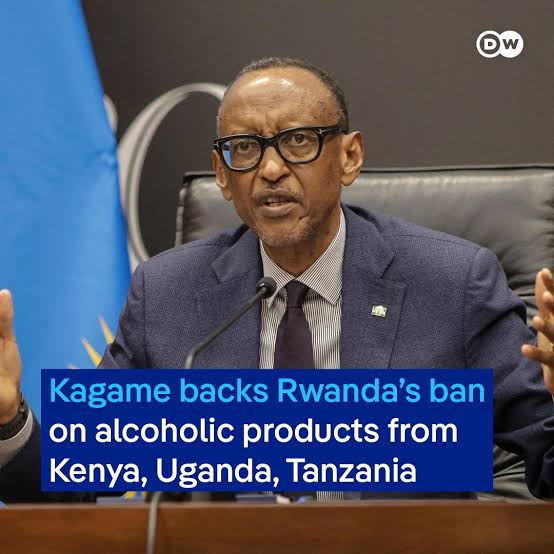 Rwanda: We Cannot Sit and Watch As Illicit Alcohol Kills People - Kagame
Ultimate Uganda
Rwanda: We Cannot Sit and Watch As Illicit Alcohol Kills People - Kagame
Ultimate Uganda
0 Comments