
Over 500 Kalangala fishermen flee to Tanzania as new Lake Victoria rules bite
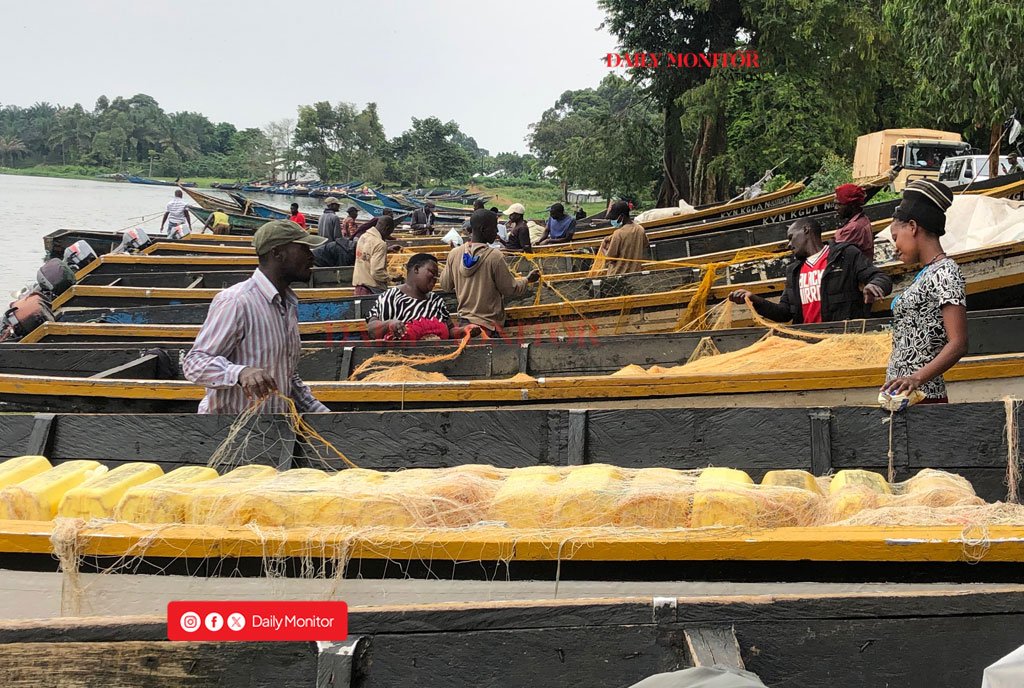

More than 500 fishermen from Kalangala District have fled to neighbouring Tanzania with their boats following the strict enforcement of new fisheries regulations on Lake Victoria aimed at curbing illegal fishing, authorities said.
The measures, rolled out under the national fisheries enforcement drive, include a ban on illegal fishing gear, restrictions on night fishing using solar-powered lights for silver fish (mukene), mandatory licensing, limits on the number of boats per landing site, and a prohibition on permanent shoreline structures within 200 metres of the lake.
Other rules require registration and numbering of boats, cap individuals at a maximum of 10 boats, and outlaw fishing in designated breeding zones.
According to the Kalangala Resident District Commissioner (RDC), Mr Fred Badda, the exodus began in March after intensified operations on the lake.
“According to information from landing sites where they previously resided, about 200 have since returned. However, due to limited communication, we have not established how many are currently detained in Tanzania,†Mr Badda told Monitor.
He added that the district is engaging Tanzanian authorities to secure the release of those believed to have been arrested.
“As the RDC’s office, we are in touch with authorities in Tanzania to ensure our brothers are released and returned home,†Mr Badda said.
Nearly 100 fishermen arrested
Mr Badda noted that since enforcement began on March 7, 2026, more than 90 fishermen have been arrested within Kalangala waters, many of them non-residents from neighbouring districts.
He said suspects have faced different legal outcomes, including cautions, remand and convictions.
“Some were cautioned by court, others remanded, while some have already been sentenced,†Mr Badda noted.
Despite the crackdown, authorities say indigenous fishing communities and landing site committees have largely supported the operations.
Mr Badda commended those cooperating with enforcement teams, warning that non-compliant landing sites risk closure or prosecution.
However, district leaders say the enforcement has had mixed social and economic effects.
At Tubi Landing Site in Mugoye Sub-county, some fishermen reported improved fish stocks following the crackdown.
“We used not to get a 40-inch Nile Perch, but recently we began having them as part of the fish we harvest. It is something we see as a slight improvement, and we hope that the fish is returning to the lake,†one fisherman said on Wednesday.
But in Bubeke and Bufumira sub-counties, landing sites that previously thrived on silver fish trade have seen sharp declines in activity.
Ms Agnes Nabukenya, the LC1 Chairperson for Lwaazi Landing Site in Bubeke Sub-county, said the mass departure of fishermen has crippled local businesses.
“The massive migration of people and the decrease in the number of boats on the landing site have heavily reduced customers, causing many businesses to close,†Ms Agnes Nabukenya said.
Fishermen on Lake Victoria. PHOTO/FILE
Kalangala District Chairperson Mr Rajab Ssemakula said while the operations are necessary, enforcement has been uneven.
“We know of route managers who are still buying immature fish and selling it on the market, which will frustrate efforts to save the lake,†Mr Rajab Ssemakula said.
He alleged that some well-connected fishermen continue operating despite the crackdown.
“There is no way you can arrest some while others continue working illegally,†Mr Rajab Ssemakula said.
He also questioned how illegal fishing gear continues entering the country despite border controls.
“All borders have scanners, but how do these nets bypass checkpoints, get sold in shops, and only get confiscated at landing sites?†Mr Rajab Ssemakula asked.
Mr Badda acknowledged challenges in enforcement but defended the operation.
“The operation cannot be 100 percent perfect, but we shall go on improving as we move,†Mr Fred Badda said. “Those threatening members of the committee and those frustrating the efforts will be handled.â€
Authorities say enforcement will continue as Uganda seeks to restore fish stocks on Lake Victoria, where illegal fishing has contributed to declining catches over the past decade.
Background
The crackdown on illegal fishing on Lake Victoria followed a directive communicated in a December 26, 2025 letter from the Acting Director of Defence Public Information, Col Chris Magezi.
The letter announced the establishment of new fisheries committees composed of indigenous fishermen and investors. The committees are to operate under the supervision of the Deputy Chief of Defence Forces and Inspector General, Lt Gen Sam Okiding, alongside the Chief of Defence Intelligence and Security, Maj Gen Richard Otto.
As part of the restructuring, the Fisheries Protection Unit (FPU), which was established by President Museveni in 2017 to combat illegal fishing, was renamed the 155 Marines Battalion under the UPDF Marines Brigade.
The battalion is commanded by Maj Joseph Ssebukeera, while Brig Michael Nyarwa oversees the brigade.
The 155 Marines Battalion is expected to support indigenous fishermen in efforts to curb illegal activities on the lake.
Although the FPU had been tasked with tackling illegal fishing, fishermen in 2023 called for direct control over lake management, citing a continued rise in illegal fishing practices despite the unit’s operations.


 Starlink goes live in Uganda; price comparisons against MTN, Airtel
Ultimate Uganda
Starlink goes live in Uganda; price comparisons against MTN, Airtel
Ultimate Uganda
 NSSF sets September 24 for Annual Members Meeting as savers await interest rate declaration
Ultimate Uganda
NSSF sets September 24 for Annual Members Meeting as savers await interest rate declaration
Ultimate Uganda
 Boda boda riders launch e-commerce, digital loans platform
Ultimate Uganda
Boda boda riders launch e-commerce, digital loans platform
Ultimate Uganda
 Rwanda: We Cannot Sit and Watch As Illicit Alcohol Kills People - Kagame
Ultimate Uganda
Rwanda: We Cannot Sit and Watch As Illicit Alcohol Kills People - Kagame
Ultimate Uganda
0 Comments