
From “Hakuna Mchezo†to “Hakuna Kulalaâ€: Reading Uganda’s Political Mood Through Slogans
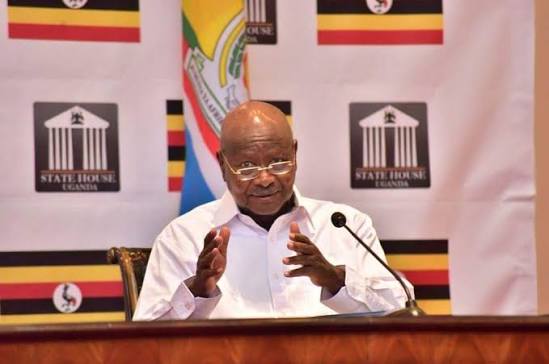

When President Yoweri Kaguta Museveni took the oath at Kololo in 2016 and declared “Kisanja Hakuna Mchezo,†the message landed with deliberate force. It was a statement of seriousness, discipline, and control. No games. No distractions. A presidency presenting itself as entering a tighter, more results-oriented phase after decades in power.
Ten years later, the imagined 2026 oath line—“Kisanja No Sleep (Hakuna Kulala)â€â€”feels like a different emotional register altogether. If the first slogan spoke to order, the second speaks to endurance. If “Hakuna Mchezo†was about tightening the screws of governance, “Hakuna Kulala†suggests a system that must now remain permanently alert, permanently active, and permanently engaged with pressure on all sides.
The shift is subtle in words but significant in meaning.
“Hakuna Mchezo†belonged to a political moment that projected confidence in control. It implied that the state had the authority and capacity to discipline its own machinery—politics, administration, and public expectation. It was a governance posture that says: we know the problems, and we are now serious about fixing them.
But “Hakuna Kulala†feels less like a command and more like a condition. It suggests that governance is no longer just about control, but about keeping pace. The language of sleep deprivation is telling: it evokes urgency, fatigue, and constant motion. It is not the language of a system calmly in charge; it is the language of a system responding continuously to demands that do not pause.
So what does this evolution reveal?
First, it points to the shift from consolidation to maintenance. In political systems with long incumbencies, early and middle phases often focus on building control over institutions, resources, and policy direction. Later phases tend to shift toward sustaining that control amid growing complexity. “Hakuna Mchezo†fits the logic of consolidation. “Hakuna Kulala†fits the logic of endurance.
Second, it reflects the growing weight of governance pressures. Uganda today sits at the intersection of rapid demographic growth, urban expansion, economic demands, and regional instability. Over time, the language of leadership tends to absorb this reality. The metaphor of “no sleep†is almost inevitable in a system where policy, politics, and public expectation operate in continuous motion.
Third, it reveals something about political communication itself. Slogans are not just decoration; they are narrative frames. They tell citizens how leadership wants its own era to be interpreted. “Hakuna Mchezo†framed governance as disciplined seriousness. “Hakuna Kulala†reframes it as constant struggle and vigilance.
The critical question, however, is not only what has changed in rhetoric, but what has changed in substance.
Supporters of the “Hakuna Mchezo†era would point to infrastructure expansion, state stability, regional diplomatic positioning, and macroeconomic continuity. In their reading, it was a phase of delivering tangible development while maintaining national cohesion.
Critics, however, would argue that the same period also exposed unresolved governance tensions—questions about institutional independence, political competition, inequality, and the limits of accountability in a long-dominant political system.
Seen from this perspective, “Hakuna Kulala†does not simply replace “Hakuna Mchezo.†It sits on top of it. It suggests that the earlier promise of disciplined governance has matured into a permanent state of management, where the central challenge is no longer just reform, but sustaining momentum under accumulated pressure.
In the end, the evolution from “no games†to “no sleep†may say less about changing intentions and more about changing realities. Political slogans, after all, often reveal what leadership is trying to reassure itself—and the public—about at a particular moment in time.
If “Hakuna Mchezo†was about asserting control, then “Hakuna Kulala†is about acknowledging that control must now be continuously worked for. And that, perhaps, is the most important political message hidden in the shift: governance is no longer framed as a phase of delivery, but as an unending state of effort.


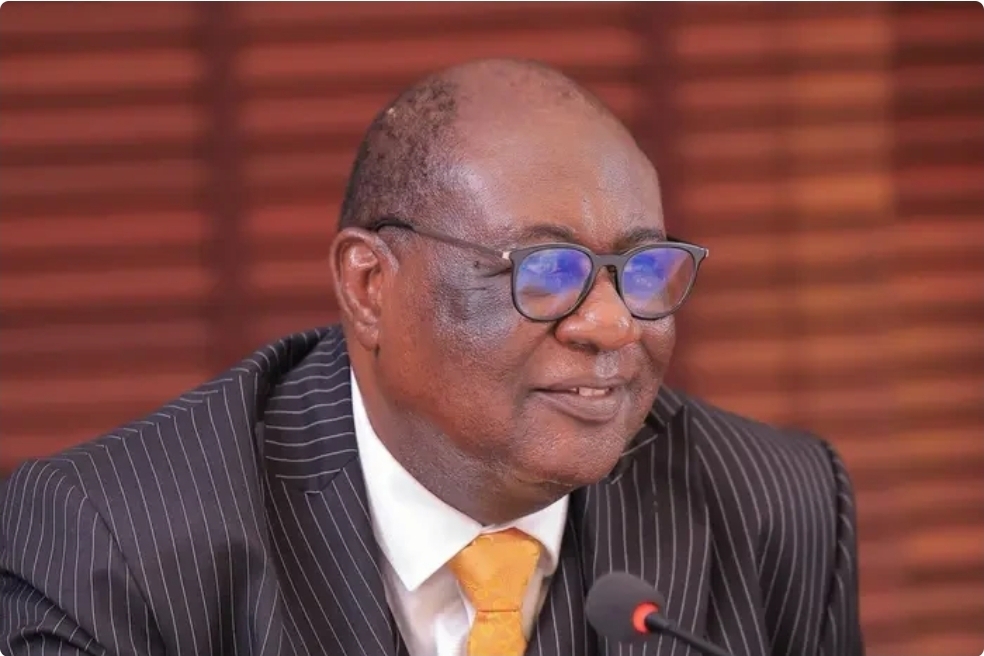 Government will not gazette Kijanangoma as King of Tooro for now - Attorney General insists
Ultimate Uganda
Government will not gazette Kijanangoma as King of Tooro for now - Attorney General insists
Ultimate Uganda
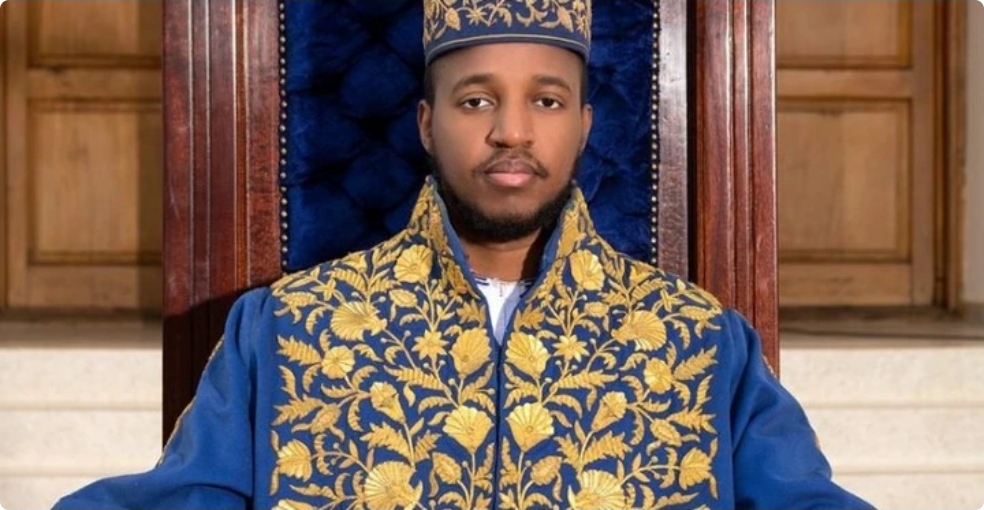 King Oyo’s Body to Arrive Thursday
Ultimate Uganda
King Oyo’s Body to Arrive Thursday
Ultimate Uganda
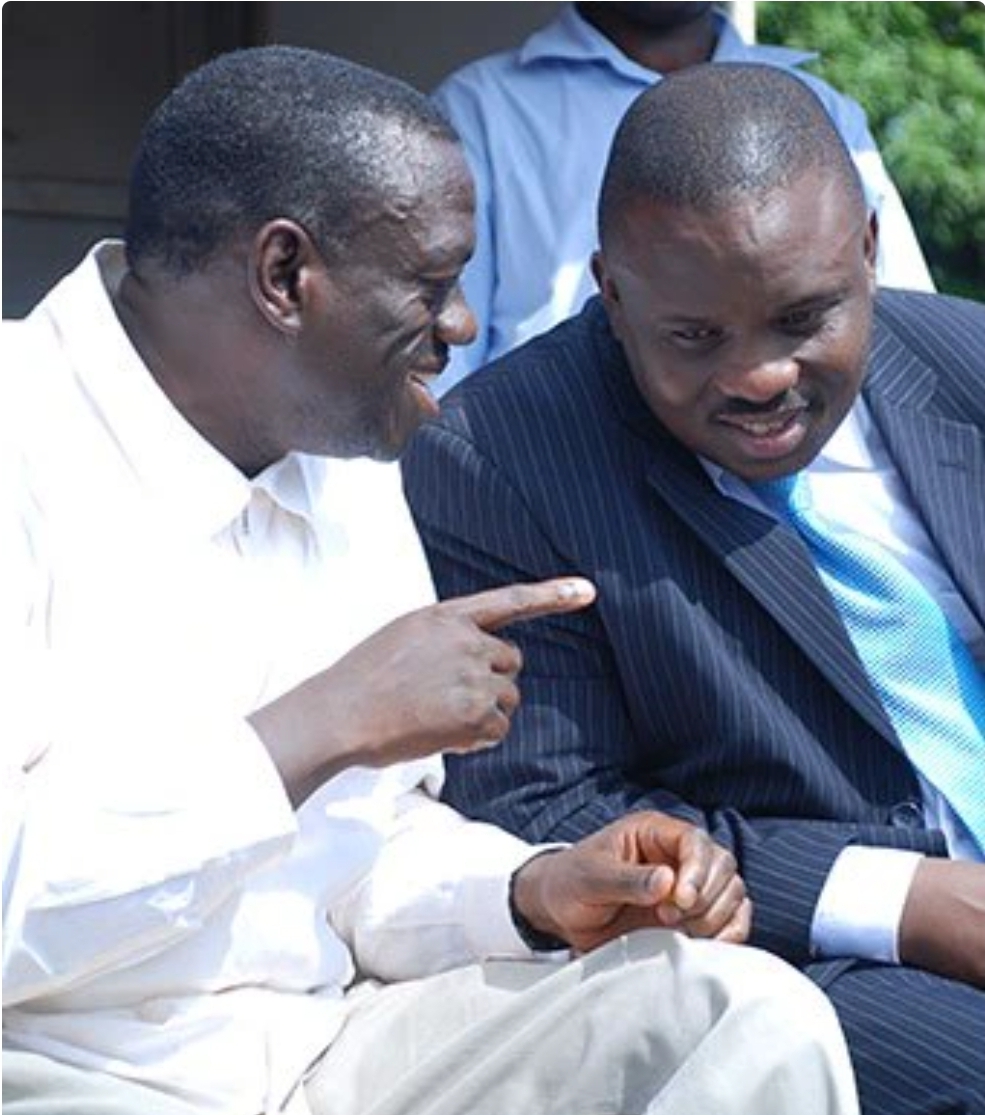 Besigye, Lukwago expected to meet Gen. Salim Saleh today at Kapeeke
Ultimate Uganda
Besigye, Lukwago expected to meet Gen. Salim Saleh today at Kapeeke
Ultimate Uganda
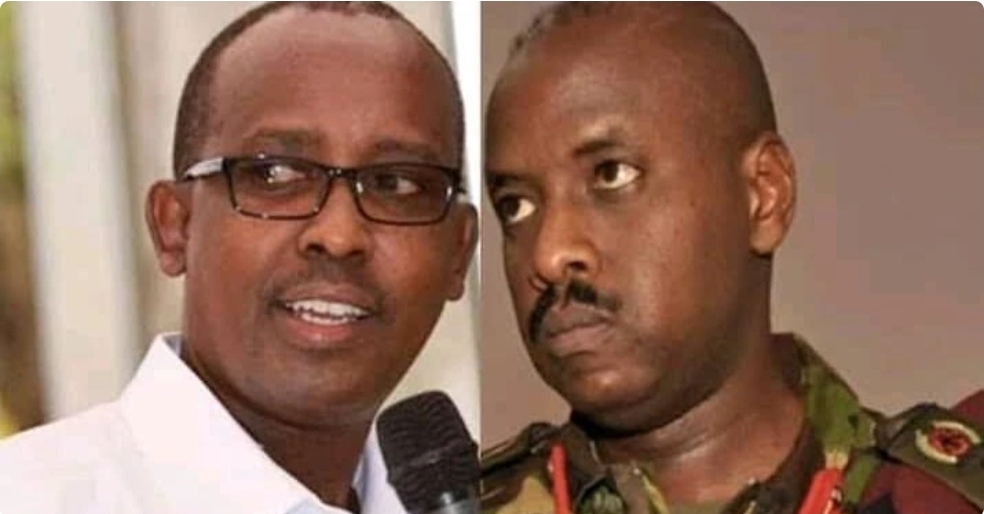 Rwabwogo Advised to ‘Eat His Bishop’ As MK Prepares to Enter State H’se: PREZ MUSEVENI ON HIS WAY OUT
Ultimate Uganda
Rwabwogo Advised to ‘Eat His Bishop’ As MK Prepares to Enter State H’se: PREZ MUSEVENI ON HIS WAY OUT
Ultimate Uganda
0 Comments