
Not Because He’s a Westerner? Why Thomas Tayebwa Survived Museveni’s Axe That Struck Anita Among
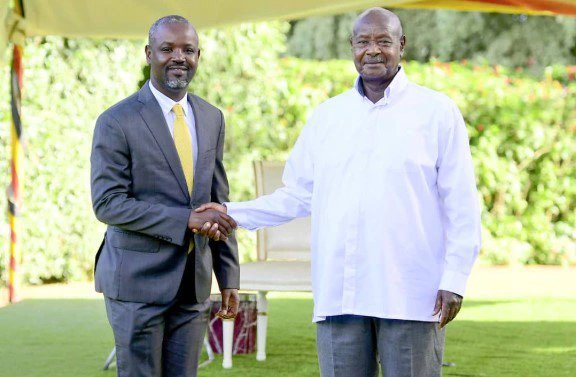

The political survival of Deputy Speaker of Parliament Thomas Tayebwa amid the ongoing turbulence surrounding Uganda’s parliamentary leadership has triggered intense debate within political and media circles, with many questioning why President Yoweri Museveni appears to have spared him while several powerful figures around Parliament face mounting pressure.
The debate comes against the backdrop of widening investigations into corruption, illicit enrichment and abuse of office allegations linked to Speaker Anita Among and other senior parliamentary figures. The controversy has shaken the ruling National Resistance Movement (NRM) and fueled speculation about possible shifts in Parliament’s leadership structure.
Despite serving as one of the most influential figures in the House, Tayebwa has largely maintained a cautious political posture throughout the unfolding storm.
Unlike several politicians who have openly taken sides in succession debates and factional battles within the ruling establishment, the Deputy Speaker has kept a relatively restrained public profile.
Tayebwa’s strategy seemed to have been built around projecting loyalty to the system while avoiding the appearance of building an independent political power base.
His measured approach, analysts argue, may have helped him avoid attracting direct hostility from the country’s top political leadership.
The conversation surrounding Tayebwa’s survival has also revived a long-running debate about whether politicians from western Uganda enjoy special protection within Museveni’s government.
However, historical examples suggest that regional identity alone has never guaranteed political safety in Uganda’s power structure.
Over the years, several influential western Ugandan political and military figures have dramatically fallen out with the President despite once occupying powerful positions within the state.
Opposition leader Kizza Besigye, once a close ally of Museveni, later became one of his fiercest critics and repeatedly faced arrests, detention and political restrictions.
Former Inspector General of Police Kale Kayihura also experienced a spectacular fall from grace after years as one of the country’s most powerful security officials.
Similarly, former security minister Henry Tumukunde and former spymaster David Sejusa (previously Tinyefuuza) both endured political isolation and state crackdowns despite their roots in western Uganda.
Museveni has historically been more concerned about perceived political ambition and independent influence than regional considerations.
Senior figures believed to be cultivating presidential ambitions or building alternative centers of power have often found themselves sidelined regardless of ethnicity or region.
In contrast, Tayebwa has generally positioned himself as a parliamentary administrator focused on legislative work and institutional management rather than national succession politics. Within ruling party circles, he is widely viewed as disciplined, careful and less confrontational compared to some of his contemporaries.
Veteran journalist and political analyst Timothy Kalyegira believes that is the real reason Tayebwa remains politically secure.
Not Because He's a Westerner? Why Thomas Tayebwa Survived Museveni's Axe That Struck Anita Among
Timothy Kalyegira
“Why has Tayebwa survived? Is it because he’s from the West? Museveni has previously exiled or arrested westerners like Besigye, Kayihura, Tinyefuza, Tumukunde. Some westerner generals are currently under arrest,†opined Kalyegira, writing on microblogging site X, formerly Twitter.
“Tayebwa survived because he shows no ambition beyond Speaker or Deputy.â€
When first son, Chief of Defence Forces (CDF), senior presidential advisor on special operations and Patriotic League of Uganda (PLU) chairman Gen Muhoozi Kainerugaba announced that his political group had withdrawn its support for the reelection of Anita Among as speaker and Thomas Tayebwa as deputy speaker of the 12th parliament, he added that Thomas Tayebwa, the Ruhinda North MP, was a good man and that he would be protected.
And while Gen Muhoozi had announced that Thomas Tayebwa would be replaced by a female MP as deputy speaker, he would later change his mind and declare that the ‘Mitooma boy’ would stay, even as Anita Among was forced to withdraw from the speaker race. (See Details Here and There).
Meanwhile, Anita Among faces more trouble as guns from Israel were reportedly found in her homes, and as her bank accounts were reportedly frozen. (See Details Here, There and Over There).
Apart from surviving Museveni’s axe, Thomas Tayebwa and his family registered more wins, including his wife being appointed an ‘ambassador’ and his mother-in-law winning a district speaker election.


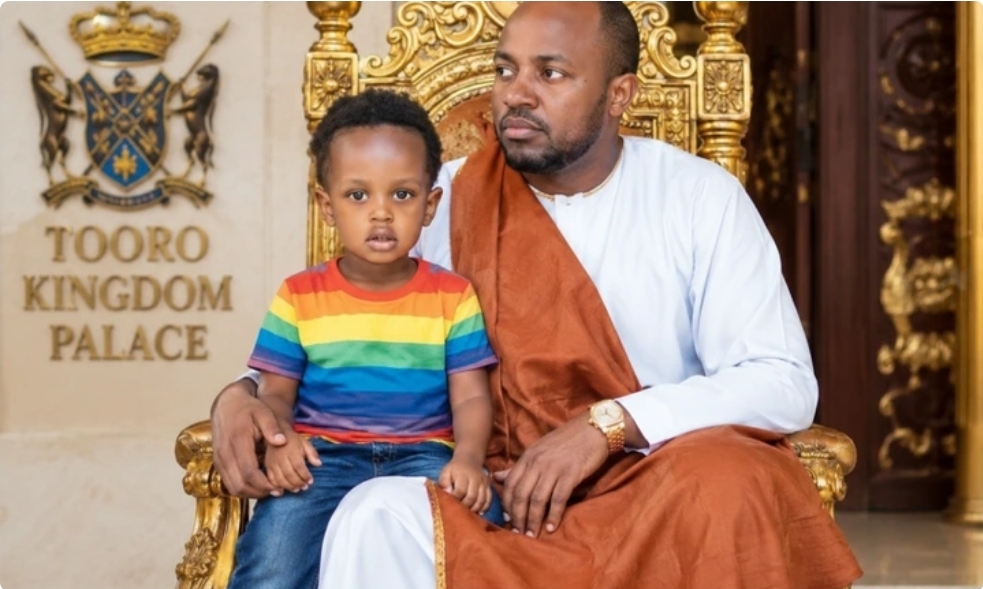 The women who have been in King Oyo’s life
Ultimate Uganda
The women who have been in King Oyo’s life
Ultimate Uganda
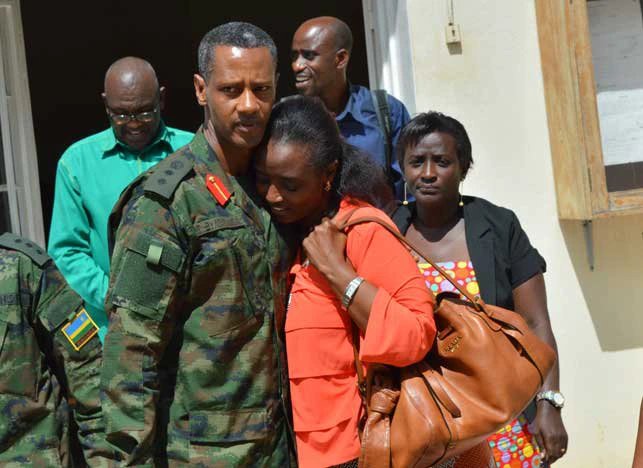 Ex Kagame Guard Commander Tom Byabagamba Dies in Rwandan Prison After 12 Years
Ultimate Uganda
Ex Kagame Guard Commander Tom Byabagamba Dies in Rwandan Prison After 12 Years
Ultimate Uganda
 Government begins salary payments for public sector workers – Reform Committee
Ultimate Uganda
Government begins salary payments for public sector workers – Reform Committee
Ultimate Uganda
 Temangalo land: NSSF, Nzenyi reach agreement
Ultimate Uganda
Temangalo land: NSSF, Nzenyi reach agreement
Ultimate Uganda
0 Comments