
Private School Owners Say New Tax Policy is Driving Away Experienced Teachers
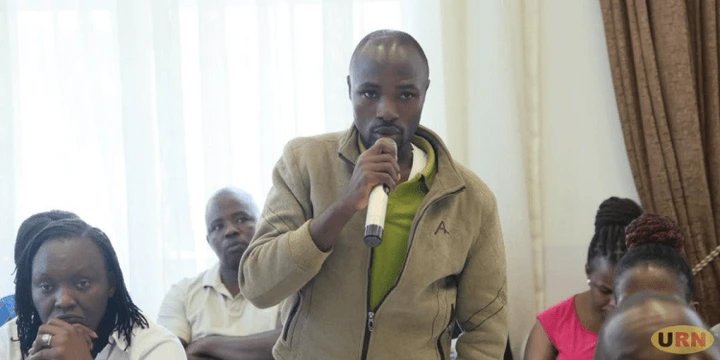

Herman Mugonza Lukyamuzi, Director of Katovu United Secondary School in Lwengo District presenting concerns of Private Schools Owners during Masaka Tax engagement
Proprietors of private schools in the Greater Masaka sub-region have criticised the government’s new Pay-As-You-Earn (PAYE) tax policy on secondary sources of income, saying it is making it harder to attract and retain experienced teachers.
The school owners argue that the policy, which imposes a 40 per cent tax on secondary monthly incomes, has significantly reduced the attractiveness of part-time teaching jobs in private schools.
Herman Mugonza Lukyamuzi, the Secretary of the Association of Private School Owners in the Greater Masaka sub-region, raised the concern during a tax stakeholders’ engagement held by the Uganda Revenue Authority in Masaka.
Lukyamuzi appealed to the government to exempt essential workers in critical social service sectors from the tax on secondary income, arguing that the measure is discouraging the transfer of skills and expertise within the education sector.
URA began implementing the new PAYE policy in April this year, requiring employees to pay a 40 per cent tax on formal secondary monthly earnings, in addition to the PAYE already deducted from their primary salaries.
According to Lukyamuzi, many private schools depend on experienced teachers from government schools, particularly science teachers, who supplement their primary income by teaching part-time in private institutions. However, he said the higher tax on secondary income has made these positions financially unattractive.
He noted that some experienced and science teachers have already withdrawn from part-time teaching, saying the deductions are excessive and unfair. He added that instead of sharing their expertise with private schools, many teachers are opting for informal income-generating activities that are not directly subject to PAYE.
Lukyamuzi urged the government to reconsider the policy and instead apply the same PAYE rates to both primary and secondary sources of income. He argued that such a move would eliminate what he described as unnecessary disparities that are undermining service delivery in the education sector.
Michael Sserunjogi, the Director of Butenga Advanced Primary School in Bukomansimbi District, also called on the government to provide subsidies to private schools instead of introducing tax measures that increase their operating costs.
He warned that if the policy remains unchanged, many private schools will have no option but to pass the additional costs on to parents through higher school fees. Alternatively, he said, schools may be forced to hire less experienced teachers who are willing to accept the reduced take-home pay, potentially compromising the quality of education.
Responding to the concerns, URA Assistant Commissioner for Tax Education, Strategy and Risk Management, Myra Ochwo, said the authority had taken note of the issues raised by the teachers and school proprietors. However, she advised stakeholders to formally present their proposals to Parliament, explaining that any amendments to the tax policy fall under the legislature’s mandate.
Ochwo also urged taxpayers to comply with their tax obligations, saying improved compliance is essential for Uganda to achieve its domestic revenue targets and advance the country’s goal of economic self-reliance.


 The women who have been in King Oyo’s life
Ultimate Uganda
The women who have been in King Oyo’s life
Ultimate Uganda
 Ex Kagame Guard Commander Tom Byabagamba Dies in Rwandan Prison After 12 Years
Ultimate Uganda
Ex Kagame Guard Commander Tom Byabagamba Dies in Rwandan Prison After 12 Years
Ultimate Uganda
 Government begins salary payments for public sector workers – Reform Committee
Ultimate Uganda
Government begins salary payments for public sector workers – Reform Committee
Ultimate Uganda
 Temangalo land: NSSF, Nzenyi reach agreement
Ultimate Uganda
Temangalo land: NSSF, Nzenyi reach agreement
Ultimate Uganda
0 Comments