
Ben Kumumanya: A Leading Voice in Uganda’s Decentralisation and Local Government Transformation
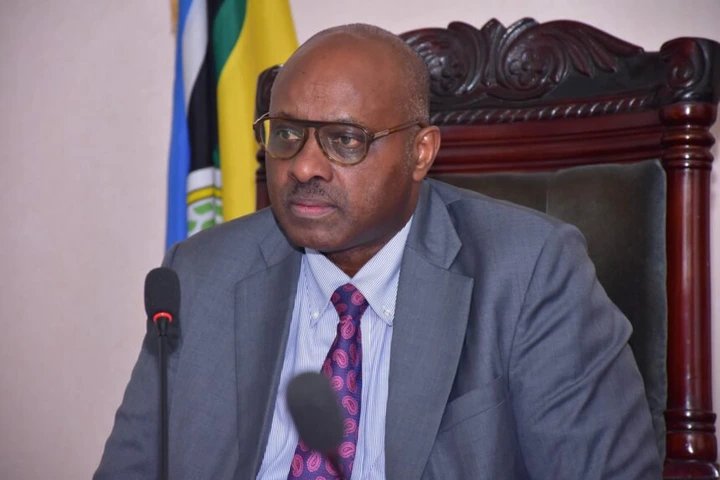

KAMPALA, UGANDA — Uganda’s decentralisation policy has, for decades, been regarded as one of the country’s most significant governance reforms, bringing decision-making and public service delivery closer to the people. At the centre of many conversations on this transformative agenda is Mr. Ben Kumumanya, the Permanent Secretary at the Ministry of Local Government, whose extensive knowledge of the country’s local governance system has earned him admiration among practitioners, elected leaders and administrators.
Many in the local government sector describe Kumumanya as a “living encyclopedia†of Uganda’s decentralisation system, citing his deep understanding of the constitutional, legal and policy frameworks that underpin local governance. His expertise spans the constitutional foundations of decentralisation under the 1995 Constitution of the Republic of Uganda to the practical realities of managing districts, cities, municipalities, town councils and other grassroots administrative structures.
For Kumumanya, decentralisation is more than a governance model—it is a vehicle for strengthening democracy, improving accountability and enhancing service delivery by bringing government closer to citizens.
The Constitutional Foundation of Decentralisation
Uganda’s decentralisation system is anchored in Chapter Eleven of the 1995 Constitution, which establishes local government as a constitutional principle rather than merely a government policy.
Under Article 176, the Constitution provides that the district shall be the basic unit of local government, supported by lower local governments and administrative units established by Parliament. It also provides for the devolution of powers, responsibilities and functions from the Central Government to local governments in a coordinated manner.
The Constitution further promotes democratic governance, citizen participation, local planning, financial accountability and effective oversight of public service delivery—principles that continue to guide the Ministry of Local Government.
Championing Effective Local Governance
Over the years, Kumumanya has become one of the country’s most respected voices on decentralisation, frequently engaging political leaders, technical officers and local government practitioners on governance reforms and institutional development.
Colleagues and local government officials commend his ability to simplify complex governance issues and relate policy to the everyday realities faced by local governments.
His consistent message has been that the success of decentralisation should ultimately be measured by improved service delivery and better living conditions for citizens.
Practitioners Reflect on the Impact of Decentralisation
Local government officials say Uganda’s decentralised system has strengthened citizen participation and enabled local authorities to respond more effectively to community needs.
According to Mr. Moses Otimong, Town Clerk of Makindye Ssabagabo Municipality, decentralisation has significantly improved local planning and service delivery by placing decision-making closer to the people.
“Decentralisation brings services and decision-making closer to the people. Local leaders understand the needs of their communities better and are therefore able to respond more effectively,†Otimong said.
He noted that the system has enhanced coordination between political and technical leaders while providing municipalities with greater capacity to manage urban growth and deliver essential public services.
Similarly, Mr. Emmanuel Gakyaalo said decentralisation has strengthened the link between citizens and the Central Government by enabling local leaders to communicate community priorities more effectively.
“Local governments understand the realities on the ground and ensure that national programmes respond to the actual needs of the people,†Gakyaalo observed.
Uganda’s Expansive Local Government Structure
Uganda operates one of Africa’s most extensive local governance systems. According to the Ministry of Local Government, the country currently comprises:
135 districts
10 cities
31 municipalities
589 town councils
1,487 sub-counties
10,716 parishes
71,218 villages
This extensive administrative structure reflects the country’s commitment to bringing government services closer to citizens through local institutions responsible for education, healthcare, agriculture, infrastructure and community development.
Managing such a broad governance network requires continuous policy guidance, institutional strengthening and capacity building for local governments.
Supporting Urban Management and Trade Order
Beyond decentralisation, Kumumanya has also played a role in advancing discussions on urban governance and trade order as Uganda experiences rapid urbanisation.
With growing populations in cities and municipalities, local governments continue to address challenges such as congestion, informal trade, inadequate public spaces and urban planning. Through policy guidance and collaboration with local authorities, efforts are underway to balance economic livelihoods with orderly urban development.
A Career Dedicated to Public Service
Ben Kumumanya’s contribution to Uganda’s local government sector reflects decades of public service dedicated to strengthening institutions and improving governance at the grassroots.
Whether through mentoring local government leaders, supporting policy reforms or promoting effective service delivery, his work continues to shape the evolution of Uganda’s decentralisation agenda.
As Uganda pursues inclusive and sustainable development, local governments remain at the forefront of delivering services and empowering communities. For many practitioners in the sector, Ben Kumumanya remains one of the country’s foremost authorities on decentralisation—a public servant whose knowledge and experience continue to influence Uganda’s local government transformation.
Ultimately, decentralisation is not simply about transferring authority from the centre to local governments; it is about empowering communities, strengthening accountability and ensuring that public services reach every Ugandan.


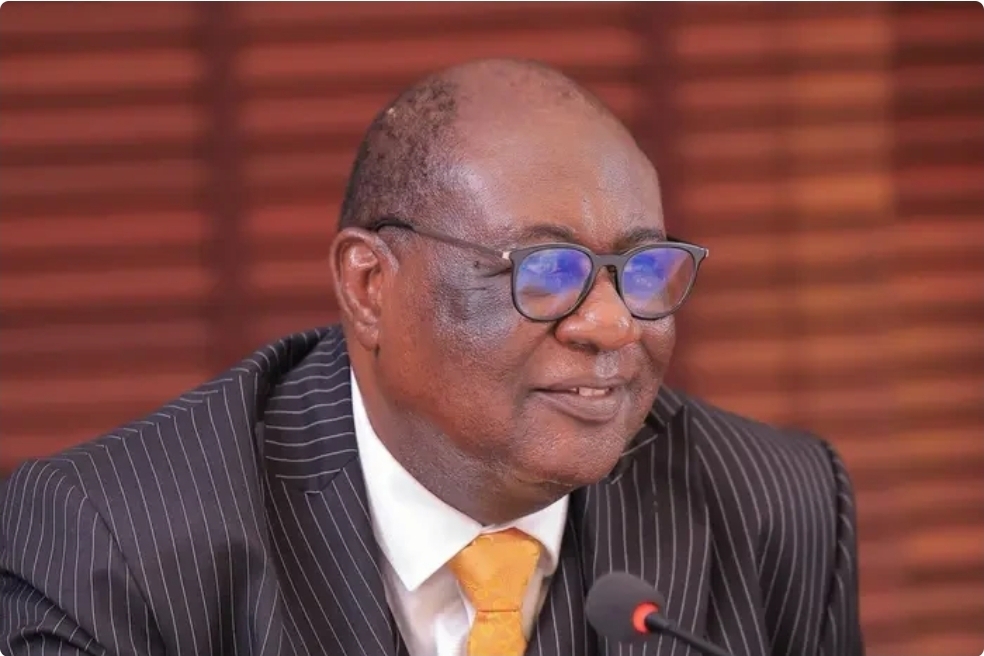 Government will not gazette Kijanangoma as King of Tooro for now - Attorney General insists
Ultimate Uganda
Government will not gazette Kijanangoma as King of Tooro for now - Attorney General insists
Ultimate Uganda
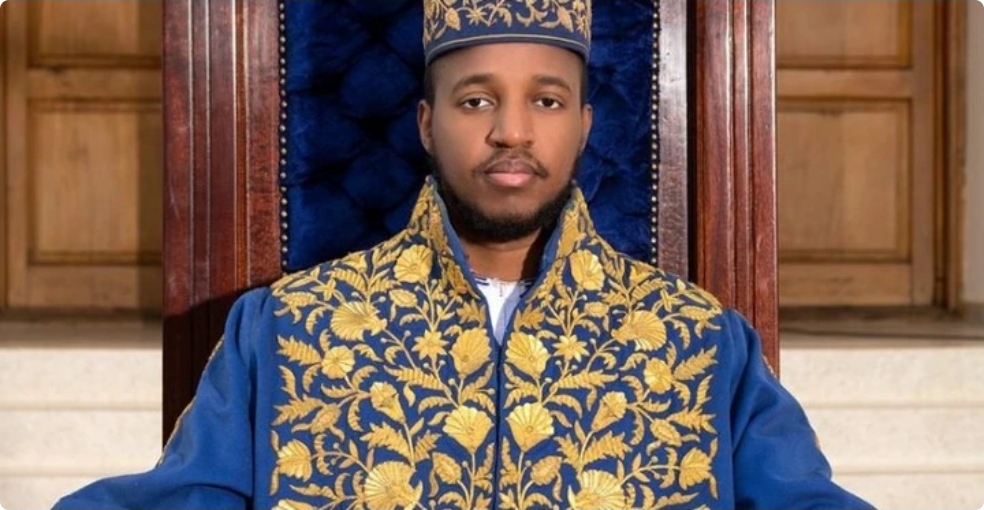 King Oyo’s Body to Arrive Thursday
Ultimate Uganda
King Oyo’s Body to Arrive Thursday
Ultimate Uganda
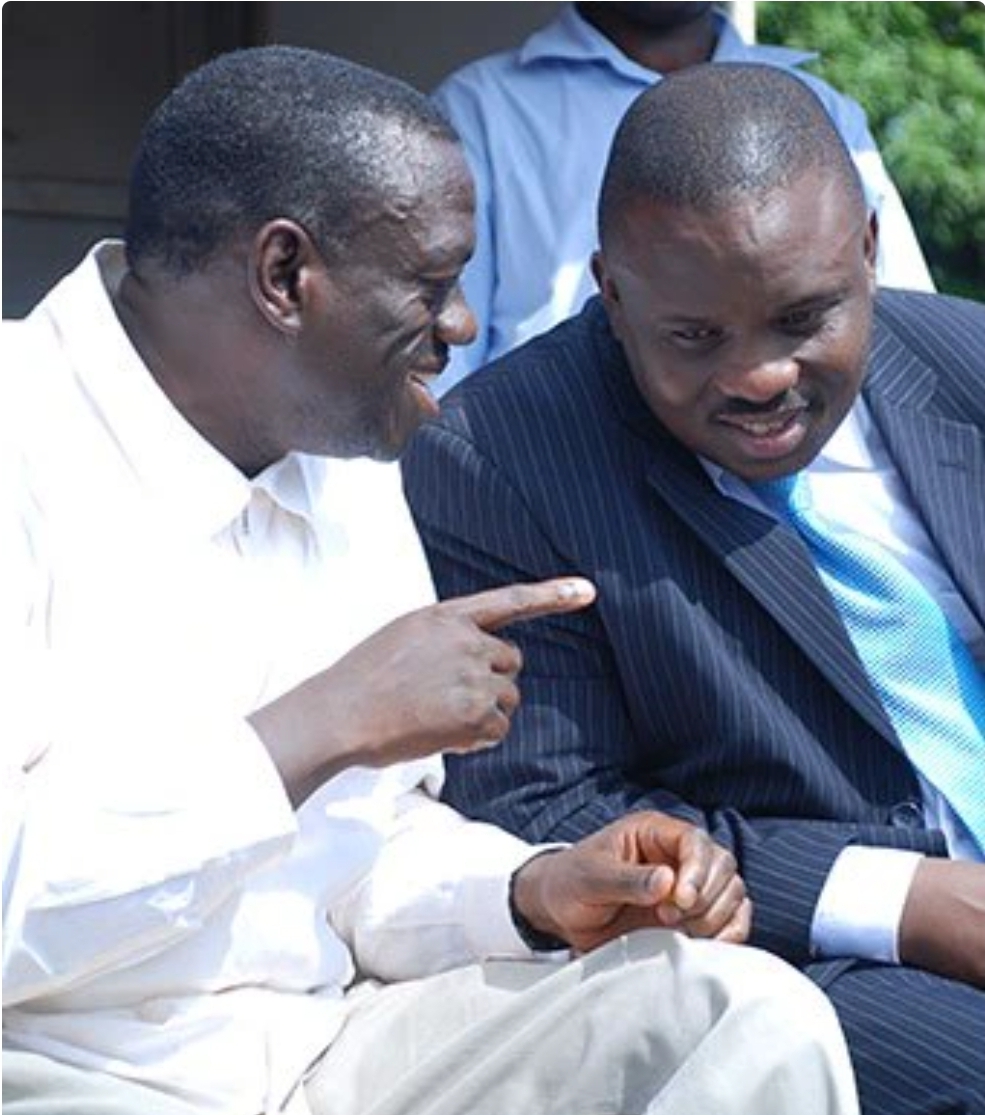 Besigye, Lukwago expected to meet Gen. Salim Saleh today at Kapeeke
Ultimate Uganda
Besigye, Lukwago expected to meet Gen. Salim Saleh today at Kapeeke
Ultimate Uganda
 Rwabwogo Advised to ‘Eat His Bishop’ As MK Prepares to Enter State H’se: PREZ MUSEVENI ON HIS WAY OUT
Ultimate Uganda
Rwabwogo Advised to ‘Eat His Bishop’ As MK Prepares to Enter State H’se: PREZ MUSEVENI ON HIS WAY OUT
Ultimate Uganda
0 Comments