
Uganda Launches Monthly National Cleaning Days
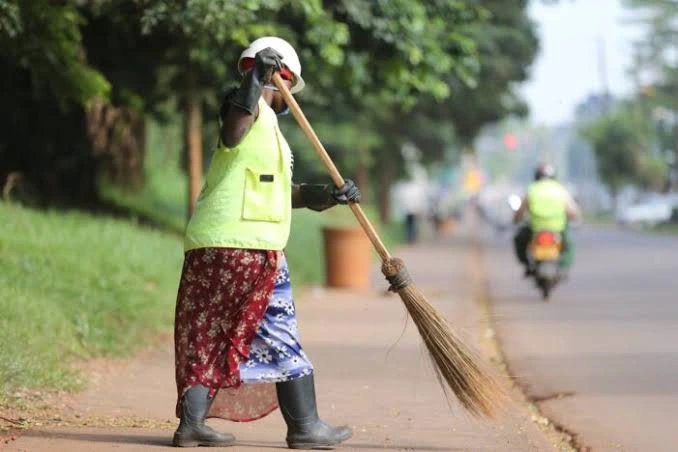

KAMPALA, UGANDA — The Government of Uganda has introduced a nationwide monthly cleaning programme aimed at improving sanitation, reducing environmental health risks and preventing diseases associated with poor hygiene and waste management.
The National Cleaning Days Initiative will officially begin on Saturday, July 25, 2026, with Ugandans across the country expected to participate in organised community cleaning activities.
Under the programme, National Cleaning Day will be observed on the last Saturday of every month, bringing together residents, local leaders, government institutions, businesses and community organisations to clean markets, streets, drainage channels and other public spaces.
The Office of the Prime Minister said the initiative is intended to promote cleaner, healthier and safer communities through regular public participation.
“Starting this Saturday, Ugandans across the country will come together to participate in community cleaning activities,†the Office of the Prime Minister announced.
“All Ugandans are encouraged to take part. This will help us keep our communities clean, healthy and safe.â€
The programme is being coordinated by the Office of the Prime Minister and the National Environment Management Authority, with the involvement of the Ministry of Health, the Ministry of Local Government, Kampala Capital City Authority and other government and private-sector institutions.
Government officials expect the monthly exercises to strengthen community responsibility for waste disposal and reduce the accumulation of rubbish in residential areas, trading centres, markets and drainage systems.
Poorly managed waste and blocked drainage channels can create breeding grounds for flies, mosquitoes and other disease-carrying organisms. During heavy rains, blocked channels can also contribute to flooding and the contamination of water sources.
The World Health Organization says poor sanitation is associated with the transmission of diseases including cholera, dysentery, typhoid, intestinal worm infections and polio. Access to adequate sanitation, safe water and good hygiene practices is therefore an important part of disease prevention.
The initiative is expected to complement existing public-health campaigns encouraging households and communities to properly dispose of waste, maintain clean toilets, protect water sources and practise regular handwashing.
NEMA said the programme seeks to raise awareness about the importance of a clean environment, mobilise Ugandans to clean their surroundings and encourage leaders to champion sanitation activities within their communities.
The authority described the initiative as a revival of previous national clean-up programmes and called for collective participation by government agencies, the private sector and communities.
“Together, we can reduce disease, save lives, and build a healthier Uganda,†NEMA said.
Local governments are expected to play a central role in mobilising residents and identifying areas requiring urgent attention. Community leaders will also be expected to encourage households and businesses to maintain cleanliness beyond the designated monthly exercise.
Public-health experts have repeatedly emphasised that community cleaning campaigns are most effective when supported by reliable waste collection, adequate disposal facilities, public toilets, safe water and enforcement against illegal dumping.
The success of the initiative will therefore depend on whether the monthly activities develop into lasting sanitation practices rather than one-day exercises.


 Government will not gazette Kijanangoma as King of Tooro for now - Attorney General insists
Ultimate Uganda
Government will not gazette Kijanangoma as King of Tooro for now - Attorney General insists
Ultimate Uganda
 King Oyo’s Body to Arrive Thursday
Ultimate Uganda
King Oyo’s Body to Arrive Thursday
Ultimate Uganda
 Besigye, Lukwago expected to meet Gen. Salim Saleh today at Kapeeke
Ultimate Uganda
Besigye, Lukwago expected to meet Gen. Salim Saleh today at Kapeeke
Ultimate Uganda
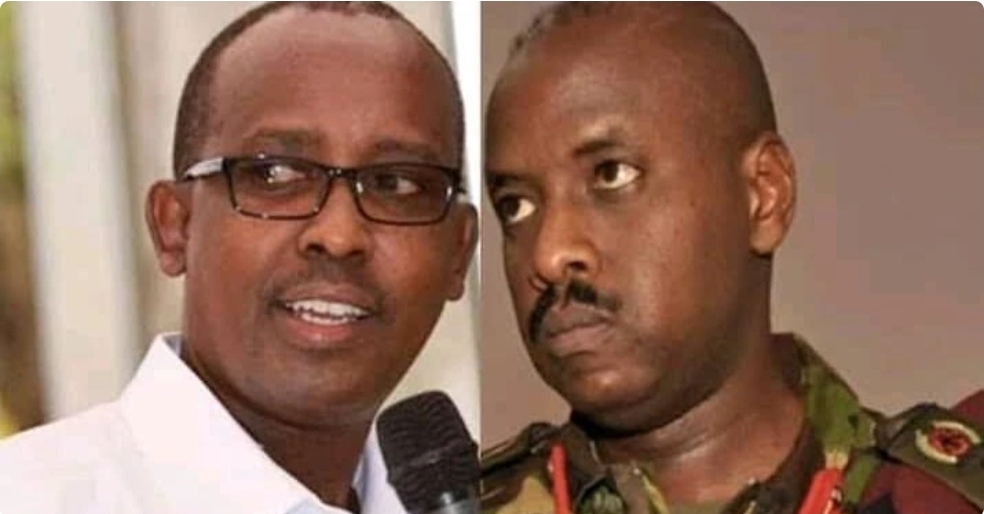 Rwabwogo Advised to ‘Eat His Bishop’ As MK Prepares to Enter State H’se: PREZ MUSEVENI ON HIS WAY OUT
Ultimate Uganda
Rwabwogo Advised to ‘Eat His Bishop’ As MK Prepares to Enter State H’se: PREZ MUSEVENI ON HIS WAY OUT
Ultimate Uganda
0 Comments