
Today in History: Uganda's Youth March Against Parliamentary Corruption
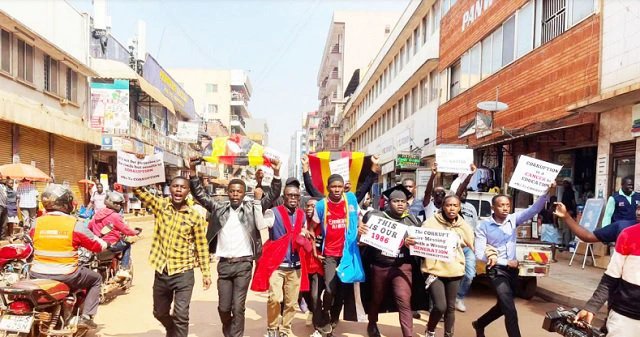

Organised largely through social media under the hashtag #March2Parliament, the demonstration shifted public discourse away from traditional party politics and toward demands for accountability, transparency, and an end to corruption in public office.
On July 23, 2024, hundreds of young Ugandans attempted to march to Parliament in a protest that became a defining moment for youth-led political activism in the country.
Organised largely through social media under the hashtag #March2Parliament, the demonstration shifted public discourse away from traditional party politics and toward demands for accountability, transparency, and an end to corruption in public office.
The protest was fueled by months of growing public anger over allegations of extravagant spending in Parliament, including leaked financial records that exposed controversial allowances and expenditures by the Parliamentary Commission.
Outrage intensified after revelations that four Parliamentary Commissioners had awarded themselves a combined Shs1.7 billion in "service awards."
At the same time, sanctions imposed by the United Kingdom and the United States on senior Ugandan officials over corruption allegations, together with the success of Kenya's Gen Z anti-government protests, inspired many young Ugandans to organise independently.
Ahead of the planned march, President Yoweri Museveni warned protesters they were "playing with fire," while police declined to authorise the demonstration. Security forces mounted a heavy deployment across Kampala, sealing off roads leading to Parliament with roadblocks and armoured vehicles.
Rather than assembling in one location, protesters adopted a decentralised strategy. Small groups carrying placards calling for an end to parliamentary corruption and lower MPs' salaries appeared at different points across the city before being dispersed by security personnel.
More than 100 activists were arrested during the operation and later charged with colonial-era offences including being a common nuisance and disobedience of lawful orders. Many were remanded to Luzira and Kitalya prisons, drawing criticism from human rights organisations and civil society groups.
The march left a lasting impact on Uganda's political landscape. It intensified public scrutiny of Parliament, encouraged calls for greater oversight of public spending, and added momentum to subsequent anti-corruption investigations involving parliamentary officials.
Although the demonstration did not immediately achieve its demands, the events of July 23, 2024 remain a landmark in Uganda's civic history.
In the years that followed, corruption probes expanded to include senior parliamentary staff, while the controversy surrounding former Speaker Anita Among continued to generate legal, political, and international attention.
By 2026, investigators had searched the homes of former Speaker Anita Among, seized luxury assets including a Rolls-Royce Cullinan as part of financial investigations, and opened inquiries into her wealth declarations.
Among later withdrew from the race for Speaker of the 12th Parliament, saying she wanted to cooperate with ongoing investigations.


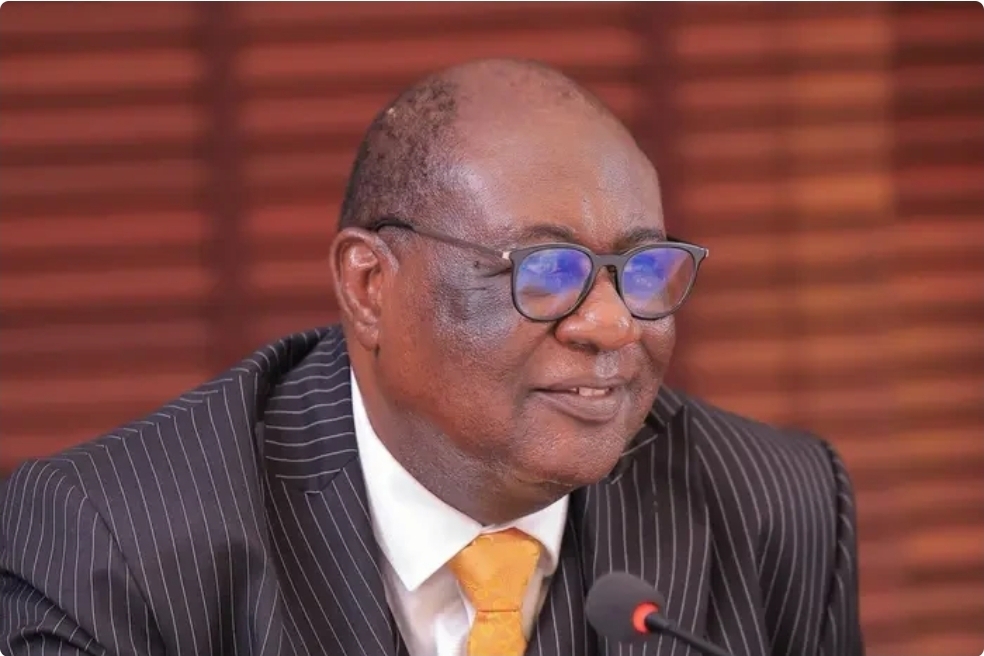 Government will not gazette Kijanangoma as King of Tooro for now - Attorney General insists
Ultimate Uganda
Government will not gazette Kijanangoma as King of Tooro for now - Attorney General insists
Ultimate Uganda
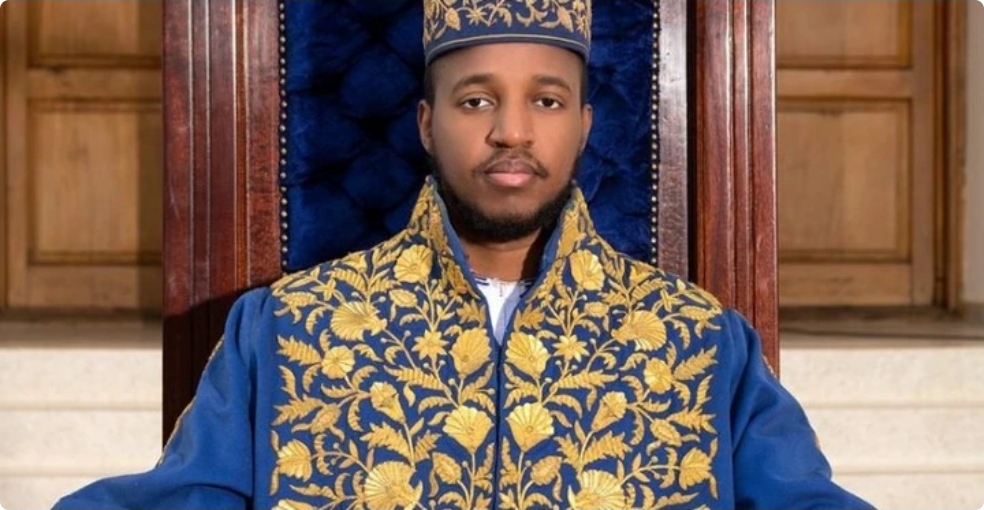 King Oyo’s Body to Arrive Thursday
Ultimate Uganda
King Oyo’s Body to Arrive Thursday
Ultimate Uganda
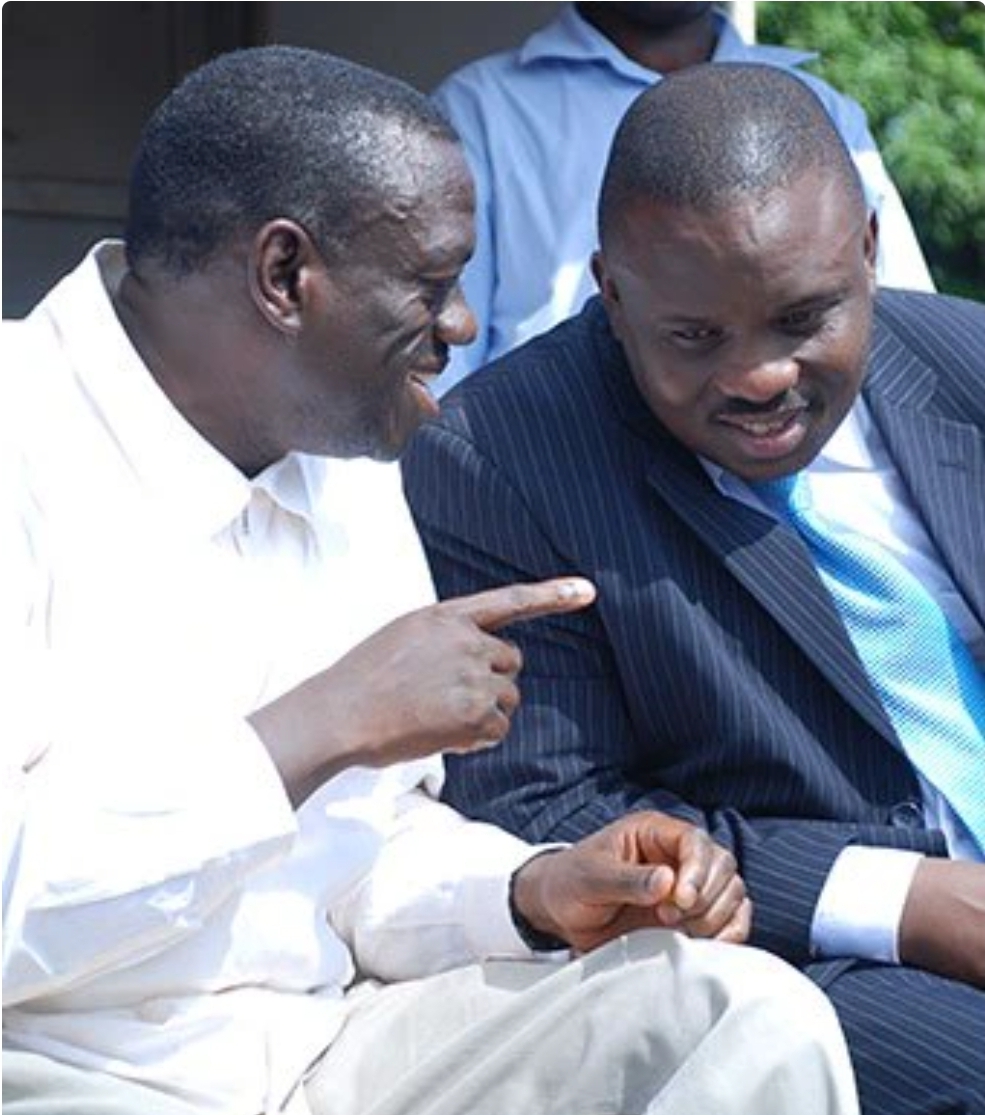 Besigye, Lukwago expected to meet Gen. Salim Saleh today at Kapeeke
Ultimate Uganda
Besigye, Lukwago expected to meet Gen. Salim Saleh today at Kapeeke
Ultimate Uganda
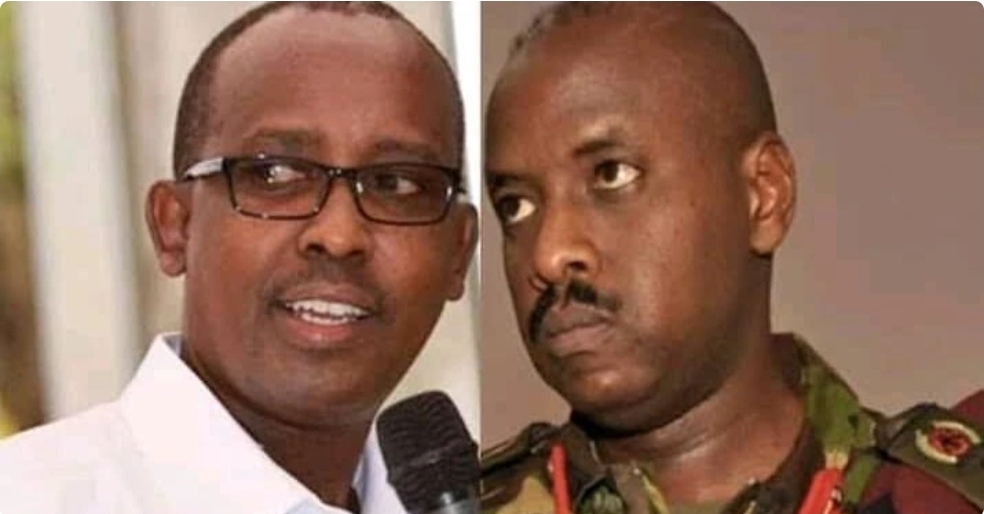 Rwabwogo Advised to ‘Eat His Bishop’ As MK Prepares to Enter State H’se: PREZ MUSEVENI ON HIS WAY OUT
Ultimate Uganda
Rwabwogo Advised to ‘Eat His Bishop’ As MK Prepares to Enter State H’se: PREZ MUSEVENI ON HIS WAY OUT
Ultimate Uganda
0 Comments