
Uganda Among African Countries Mislabelled in AI-Generated U.S. Map at AIDS Conference
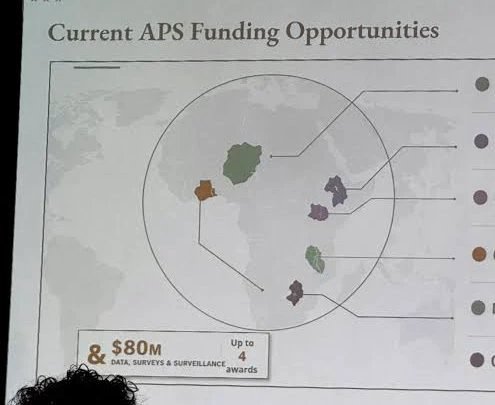

RIO DE JANEIRO, Brazil: Uganda was among African countries wrongly depicted on an artificial intelligence-generated map used during an official U.S. State Department presentation at the International AIDS Conference in Brazil, prompting an apology from Washington after the error sparked widespread criticism.
The inaccurate map, displayed during a presentation on new U.S. global health agreements, mislabelled every African country. Nigeria was shown as a landlocked country in the Sahara Desert, Mozambique was moved to the Horn of Africa, while Côte d’Ivoire was placed on the opposite side of the continent. Uganda was also among the countries incorrectly labelled.
A Reuters analysis found the map image contained an OpenAI watermark, indicating it had been created using artificial intelligence tools.
The U.S. State Department accepted responsibility for the mistake, saying the slide had been hastily modified by a staff member shortly before the presentation.
“We take full responsibility for the confusion and misrepresentation it caused for attendees, including our African partners,†the department said in a statement.
It added that the map had been produced by a team member who made last-minute changes to the presentation before the event.
The presentation was delivered by Jeff Graham, the senior U.S. official overseeing the President’s Emergency Plan for AIDS Relief (PEPFAR), the flagship American programme supporting HIV/AIDS treatment and prevention worldwide.
Screenshots of the slide were first shared by AIDS expert Emily Bass and quickly spread across social media, drawing criticism from researchers and conference delegates.
“Whoever created and approved this slide did not know where countries in Africa are and did not care to check their work,†wrote Matt Petit, an artificial intelligence and geopolitics researcher at the Atlantic Council.
The State Department said discussions at the conference remained “substantive and constructive†despite the incident and reaffirmed the United States’ commitment to fighting HIV/AIDS.
The episode comes as the Trump administration continues to reshape U.S. foreign assistance. While core PEPFAR activities, including the provision of life-saving HIV medicines, have largely resumed following last year’s funding review, Washington is reducing spending on prevention and surveillance programmes and plans to fully phase out PEPFAR support in South Africa.
The incident has also fuelled debate over the use of generative artificial intelligence in official government communications, highlighting the risks of relying on AI-generated content without adequate human verification, particularly in high-profile diplomatic and international public health settings.


 DRC opposition urges Tshisekedi to abandon constitutional changes
Ultimate Uganda
DRC opposition urges Tshisekedi to abandon constitutional changes
Ultimate Uganda
 US military transport plane lands in Moscow
Ultimate Uganda
US military transport plane lands in Moscow
Ultimate Uganda
 Putin puppet slaps UK with terrifying 2-word warning over drone factories
Ultimate Uganda
Putin puppet slaps UK with terrifying 2-word warning over drone factories
Ultimate Uganda
 China develops hypersonic weapon to hunt US command aircraft thousands of miles away
Ultimate Uganda
China develops hypersonic weapon to hunt US command aircraft thousands of miles away
Ultimate Uganda
0 Comments