
United Nations warns of shrinking civic space, military overreach in Uganda
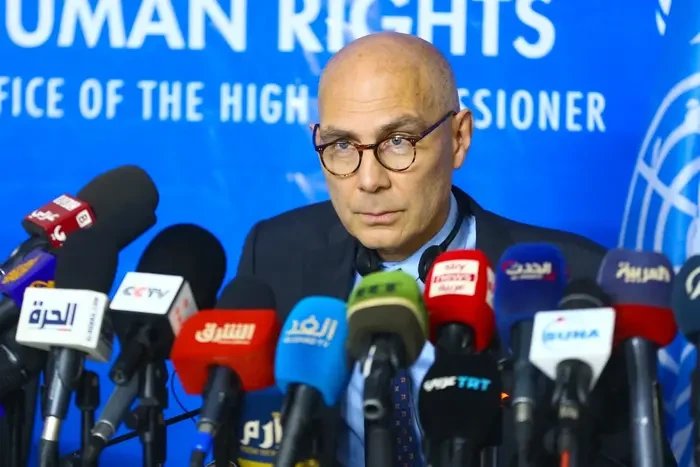

UN High Commissioner for Human Rights Volker Türk has accused Uganda of intensifying its crackdown on dissent and shrinking civic space since the January 2026 elections.
The United Nations through its High Commissioner for Human Rights Volker Türk has criticised Uganda over what he described as an escalating crackdown on dissent.
The Commissioner warned on Thursday that shrinking civic space, growing military involvement in civilian affairs and attacks on critics are creating fear across the country.
Türk noted that the Government had tightened restrictions on fundamental freedoms since the January 15, 2026 general elections.
“I am appalled that the authorities are increasingly targeting any form of dissent, and deepening restrictions on the fundamental freedoms of all those living in Uganda,†Türk said.
“Those who dare to speak out are silenced.â€
According to the UN Human Rights Office, at least 50 opposition leaders and supporters, five human rights defenders and five journalists have suffered human rights violations since the elections.
The office said the reported violations include enforced disappearances, torture, ill-treatment and arbitrary arrests or detention under laws it says do not meet international human rights standards.
The statement also says authorities have suspended 10 leading civil society organisations since January, while others have faced increased scrutiny and harassment.
Türk further expressed concern about what he called growing military involvement in duties normally handled by civilian institutions. He also noted that some media organisations had been forced to suspend operations temporarily.
The statement comes weeks after Ugandan security agencies shut down the operations of Nation Media Group Uganda, including NTV Uganda, Spark TV and Daily Monitor, before later allowing them to resume broadcasting.
The UN rights chief also criticised the Protection of Sovereignty Act, enacted in May 2026. He said the law places broad restrictions on foreign funding and engagement with civil society organisations and provides prison terms of up to 10 years for violations.
“The actions of the authorities are creating a climate of fear that is increasing self-censorship, further stifling public debate and deepening polarisation,†Türk said.
He urged the Government to respect its obligations under international human rights law, the African Charter on Human and Peoples' Rights and Uganda's Constitution by protecting freedom of expression and civic participation.
Türk also called on the Government to uphold the separation of powers and the rule of law by preventing military interference in civilian institutions.
He encouraged Uganda to use opportunities arising from its natural resources and renewed international financial support to address structural challenges while building an economy that protects human rights.
The High Commissioner said the UN Human Rights Office remains ready to support Uganda in strengthening respect for human rights.
President Yoweri Museveni recently commented on the ramped up security operations saying these had been misunderstood as a return to past abuses.
The President maintained that security agencies were operating within the law because suspects were ultimately being presented before courts.
"Therefore, what the security forces have been doing recently is not a regression in the fight for freedom."
He said critics claiming that Uganda was returning to the excesses of previous regimes were mistaken.
"Those who have been putting out the slogan 'Bizeemu', that the bad things of the past are back, are wrong."
Museveni contrasted the current situation with previous governments, saying political suspects then often disappeared or were killed without appearing before court.
"The past meant that when someone got abducted would not come to court but would end up as a dead body in Namanve Forest or River Nile."
The president also showed in the televised address, images of the public executions and paraded human remains, which were common occurrences in the past regions.


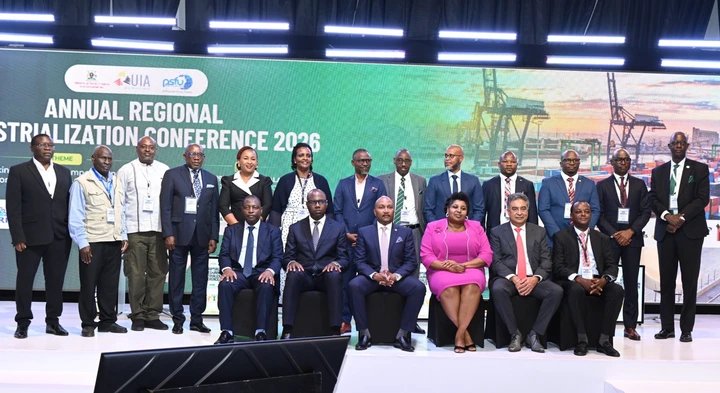 DRC opposition urges Tshisekedi to abandon constitutional changes
Ultimate Uganda
DRC opposition urges Tshisekedi to abandon constitutional changes
Ultimate Uganda
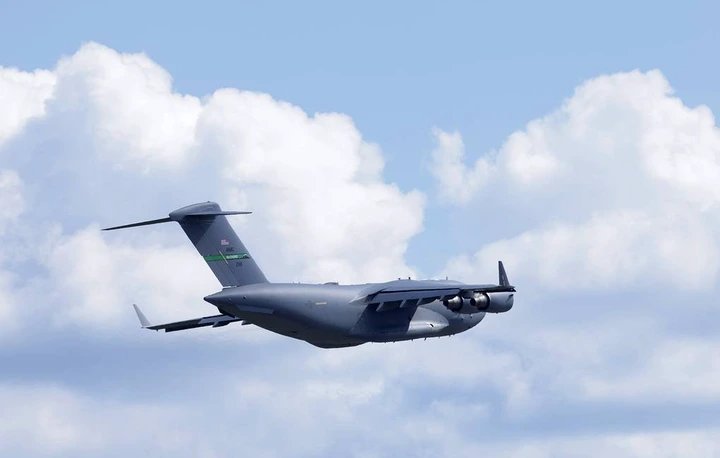 US military transport plane lands in Moscow
Ultimate Uganda
US military transport plane lands in Moscow
Ultimate Uganda
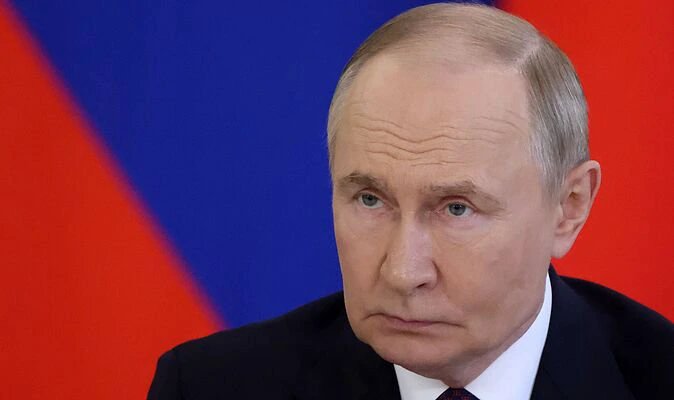 Putin puppet slaps UK with terrifying 2-word warning over drone factories
Ultimate Uganda
Putin puppet slaps UK with terrifying 2-word warning over drone factories
Ultimate Uganda
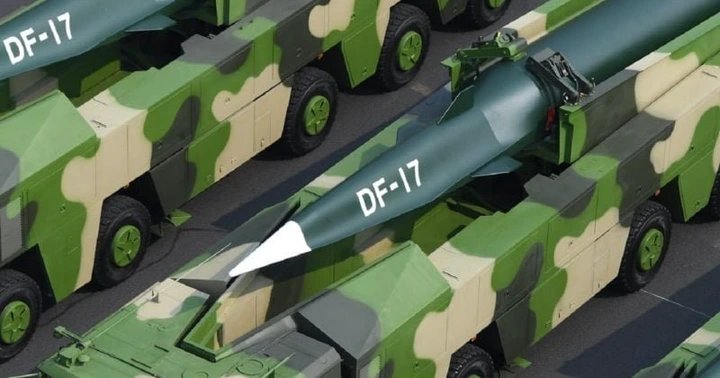 China develops hypersonic weapon to hunt US command aircraft thousands of miles away
Ultimate Uganda
China develops hypersonic weapon to hunt US command aircraft thousands of miles away
Ultimate Uganda
0 Comments