
US military seeking ‘unconventional ways’ to punish Iran – report
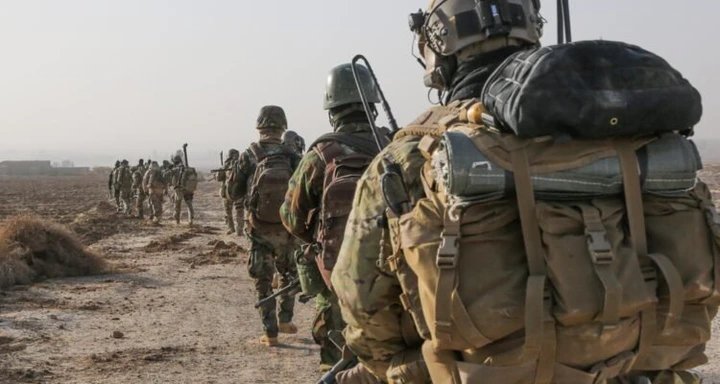

CENTCOM solicits “creative and unconventional†ideas from analysts as US searches for way out of Iran deadlock.
US Central Command has asked military analysts to propose new ways of pressuring Iran, an unusual appeal that comes as the Trump administration confronts diminishing military options, mounting American casualties and no clear path to achieving its objectives in the five-month war.
A senior officer in CENTCOM’s intelligence branch sent an email Wednesday to a broad group of analysts requesting ideas for dealing with Tehran, CNN reported, citing two people familiar with the message.
“We are looking for new creative and unconventional ways to pressure and punish Iran,†the officer wrote.
;
Another senior military officer issued a similar request last week, according to CNN. Officials familiar with the effort described it as a broad reassessment of the existing strategy rather than a formal request for a specific operation.
The crowdsourcing-style approach is uncommon in military email communications, CNN reported, and reflects the limited choices facing President Donald Trump as he seeks to compel Iran to reopen the Strait of Hormuz, accept restrictions on its nuclear program and end attacks on US forces and regional allies.
CENTCOM spokesman Capt. Timothy Hawkins defended the initiative, saying the command has “a long history of thinking and working in innovative ways.†He said Adm. Brad Cooper, the head of CENTCOM, regularly seeks suggestions from personnel throughout the command, regardless of rank.
The email was sent before Trump threatened another major attack on Iran and then abandoned the plan over the weekend following appeals from Gulf Arab leaders.
Trump said Sunday that the US military had prepared what would have been “the biggest attack since World War II,†but that he called it off after speaking with Saudi Crown Prince Mohammed bin Salman and leaders from Qatar and the United Arab Emirates. The president said the Gulf states believed a negotiated settlement was close and feared that another large American assault could trigger wider Iranian retaliation.
;
Trump said the proposed agreement would address Iran’s nuclear program and restore navigation through the Strait of Hormuz, through which about one-fifth of globally traded oil and natural gas passed before the war.
Iran, however, has not confirmed that such a deal is imminent. Foreign Ministry spokesman Esmail Baghaei said the strait would not return to its prewar status and characterized Tehran’s current maritime discussions with Oman as separate from negotiations with Washington.
The competing claims illustrate the underlying problem facing US military planners. Months of airstrikes have damaged Iranian military infrastructure and imposed substantial costs on Tehran, but they have not forced the Islamic Republic to accept Washington’s terms.
Both the CIA and the Defense Intelligence Agency recently concluded that the type of bombing campaign being conducted by the US was unlikely to substantially alter Iran’s negotiating position, CNN previously reported.
Gen. Dan Caine, chairman of the Joint Chiefs of Staff, offered a similar assessment during congressional testimony last month.
;
“Air power has its limits,†Caine said.
Among the options considered by US planners is a renewed strike on Pickaxe Mountain, a deeply buried facility near the Natanz nuclear complex that Washington suspects could contain nuclear equipment or material.
Trump threatened the site repeatedly in July, saying the US would attack it unless Iran reached an agreement. He claimed it could be destroyed “very easily,†while also threatening Iranian bridges and power plants.
CNN reported that Trump has also considered limited or largely symbolic attacks on Pickaxe Mountain or targets struck previously. Such an operation could allow the administration to claim that it had acted decisively without launching a ground campaign, but it would be unlikely to eliminate Iran’s remaining nuclear capabilities or resolve the struggle over the Strait of Hormuz.
A more extensive CENTCOM proposal envisioned one to two weeks of intensive bombing intended to destroy much of Iran’s remaining missile force, according to officials cited by CNN.
;
The latest diplomatic proposal would reportedly require Iran to restore passage through the Strait of Hormuz and halt attacks by its armed forces and allied militias against Gulf states, Jordan and commercial shipping. In return, the US would end its blockade of Iranian ports and permit Tehran to resume oil exports under the terms of an earlier tentative ceasefire.
A regional official involved in the mediation cautioned that no final agreement had been reached.
The CENTCOM request for new ideas therefore emerged as the administration considered three unattractive paths: a more destructive bombing campaign with uncertain results, a dangerous ground operation or an extended conflict of recurring attacks and retaliation.
One official familiar with the planning told CNN that Trump ultimately wants an agreement and is searching for a way to appear forceful while withdrawing from the conflict.
“Sometimes you need creative thinking,†the official said, “especially when you run out of conventional options.â€


 DRC opposition urges Tshisekedi to abandon constitutional changes
Ultimate Uganda
DRC opposition urges Tshisekedi to abandon constitutional changes
Ultimate Uganda
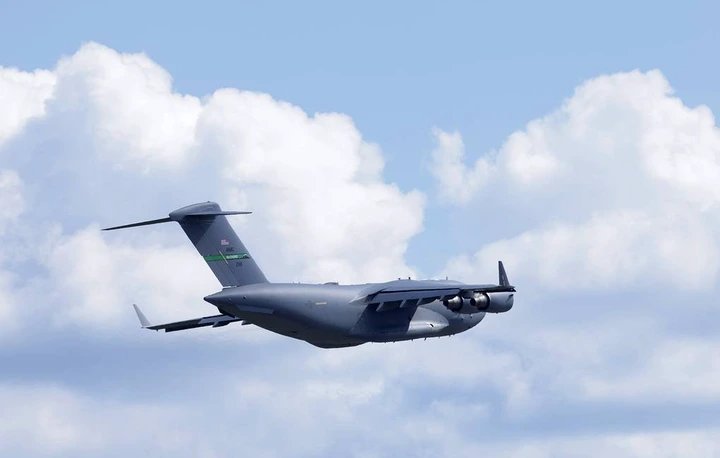 US military transport plane lands in Moscow
Ultimate Uganda
US military transport plane lands in Moscow
Ultimate Uganda
 Putin puppet slaps UK with terrifying 2-word warning over drone factories
Ultimate Uganda
Putin puppet slaps UK with terrifying 2-word warning over drone factories
Ultimate Uganda
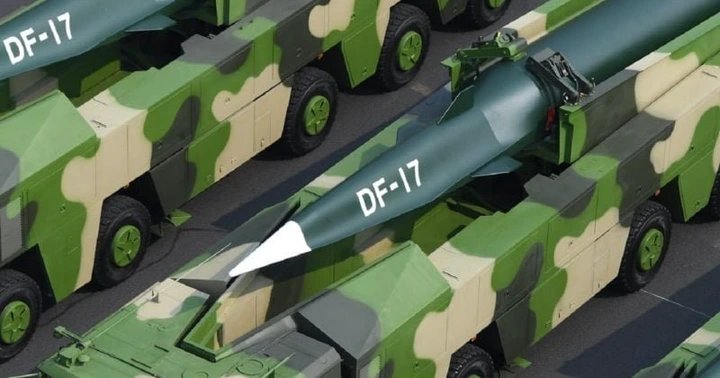 China develops hypersonic weapon to hunt US command aircraft thousands of miles away
Ultimate Uganda
China develops hypersonic weapon to hunt US command aircraft thousands of miles away
Ultimate Uganda
0 Comments