
Wangadya’s Solo Decisions Under Fresh Scrutiny as Letters Reveal Commissioners Were Left Out of Key UHRC Engagements
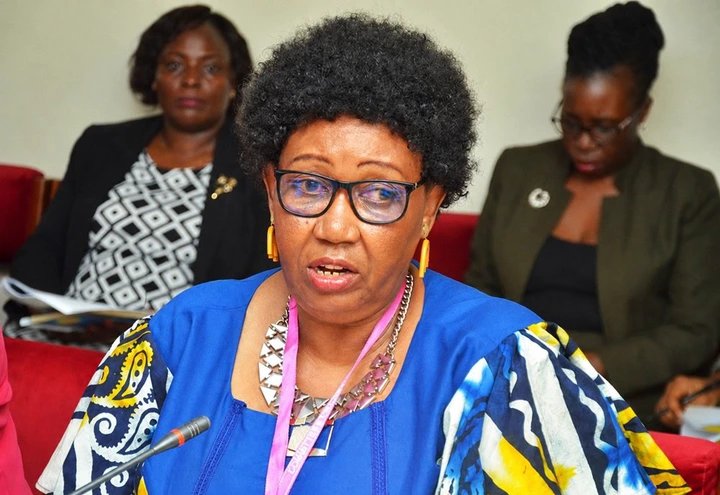

KAMPALA — Uganda Human Rights Commission (UHRC) Chairperson Mariam Wangadya is facing renewed scrutiny over her leadership after official correspondence emerged showing she handled two high-level institutional engagements without indicating the involvement of fellow Commissioners, raising fresh concerns about governance and collective decision-making at the constitutional body.
The letters, both signed solely by Wangadya in her capacity as Chairperson, relate to separate engagements involving opposition political leaders and Parliament’s Human Rights Committee.
The first letter, referenced CHP/35/00 and dated July 20, 2026, was addressed to Justice Forum (JEEMA) Deputy President Dr Michael Lulume Bayiga under the subject, “Confirmation of a High-Level Engagement on Human Rights Protection, Rule of Law and Civic Freedom in Uganda.â€
In the correspondence, Wangadya acknowledged receipt of a letter from the Joint Democratic Platform and praised the opposition alliance for what she described as its commitment to constitutionalism.
“The Office of the Chairperson acknowledges receipt of your communication and extends appreciation to the Joint Democratic Platform for its continued commitment to the protection of human rights, constitutional freedoms, rule of law and democratic governance,†the letter reads.
She then proceeded to schedule the engagement on behalf of the Commission, writing:
“In this regard, I am pleased to inform you that we will meet your delegation on Monday, 27th July 2026 at 10:00 a.m. at our offices at JLOS Towers, Katalima Road, Naguru Tower 3, Level 2.â€
The invitation further instructed the political leaders to confirm attendance through an individual contact person before bearing Wangadya’s signature as Chairperson.
Barely nine days later, Wangadya authored another official communication, this time to Parliament’s Human Rights Committee.
In the letter dated July 29, 2026, referenced CHP/128/00 and titled “Request for Extension of Time to Appear Before the Committee,†Wangadya sought additional time before appearing together with Commissioners following her earlier engagement with Members of Parliament.
Referring to the committee’s directive, she wrote:
“I refer to my appearance before the Human Rights Committee of Parliament on 29th July 2026 and your guidance to appear with the Members of the Commission on Thursday 30th July 2026 at 10:00 a.m.â€
She then requested Parliament to postpone the appearance, stating:
“This is to request for more time to enable us to adequately prepare, preferably after 31st August, 2026.â€
The wording of the letter indicates that Parliament had directed her to appear together with fellow Commissioners, prompting questions about earlier engagements undertaken solely under the Chairperson’s authority.
The two documents have reignited debate over the manner in which the Commission has been conducting its affairs, particularly amid longstanding allegations by some Commissioners that they have repeatedly been excluded from key institutional decisions.
The latest revelations come against the backdrop of months of internal disagreements within the Commission, where several Commissioners have previously accused Wangadya of sidelining them in the management of UHRC affairs and making major administrative and policy decisions without collective consultation.
Governance experts note that while the Chairperson serves as the public face of the Uganda Human Rights Commission, the institution is established as a multi-member constitutional commission whose significant decisions are generally expected to reflect collective deliberation and participation.
The emergence of the two letters is therefore likely to intensify calls for greater transparency and adherence to the principles of collective leadership within the Commission, especially as Parliament continues to examine governance concerns affecting the institution.
UHRC had not publicly explained whether the engagements reflected in the two letters were discussed and approved by Commissioners before the correspondence was issued, or whether the Commissioners were informed after the decisions had already been taken.


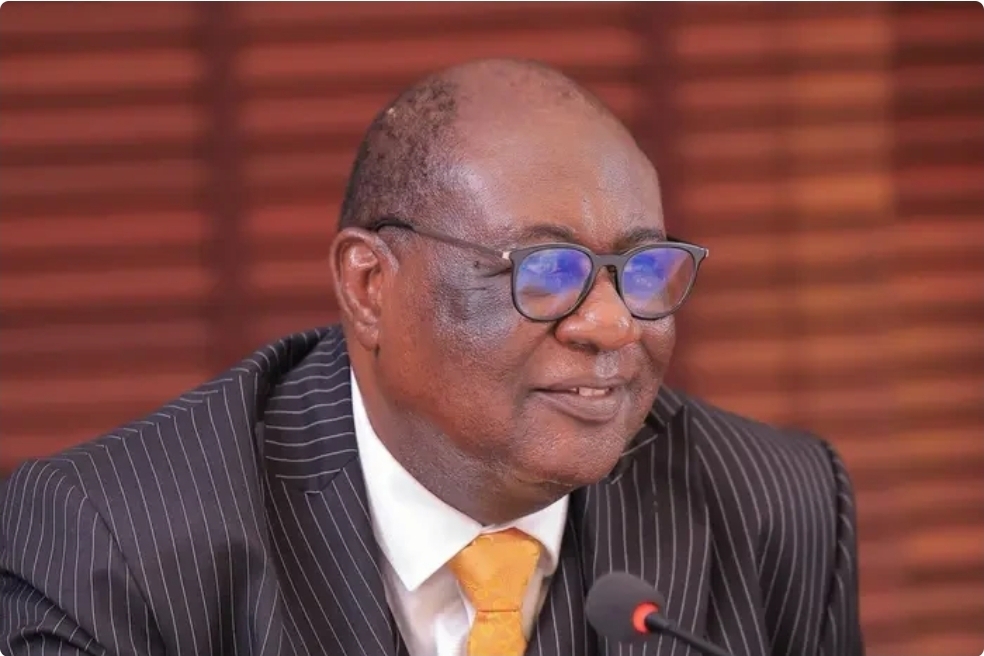 Government will not gazette Kijanangoma as King of Tooro for now - Attorney General insists
Ultimate Uganda
Government will not gazette Kijanangoma as King of Tooro for now - Attorney General insists
Ultimate Uganda
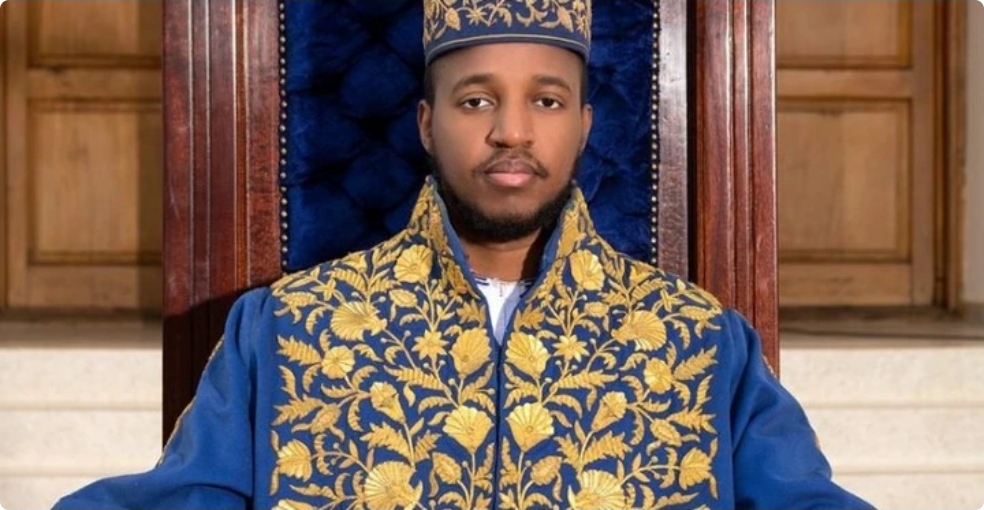 King Oyo’s Body to Arrive Thursday
Ultimate Uganda
King Oyo’s Body to Arrive Thursday
Ultimate Uganda
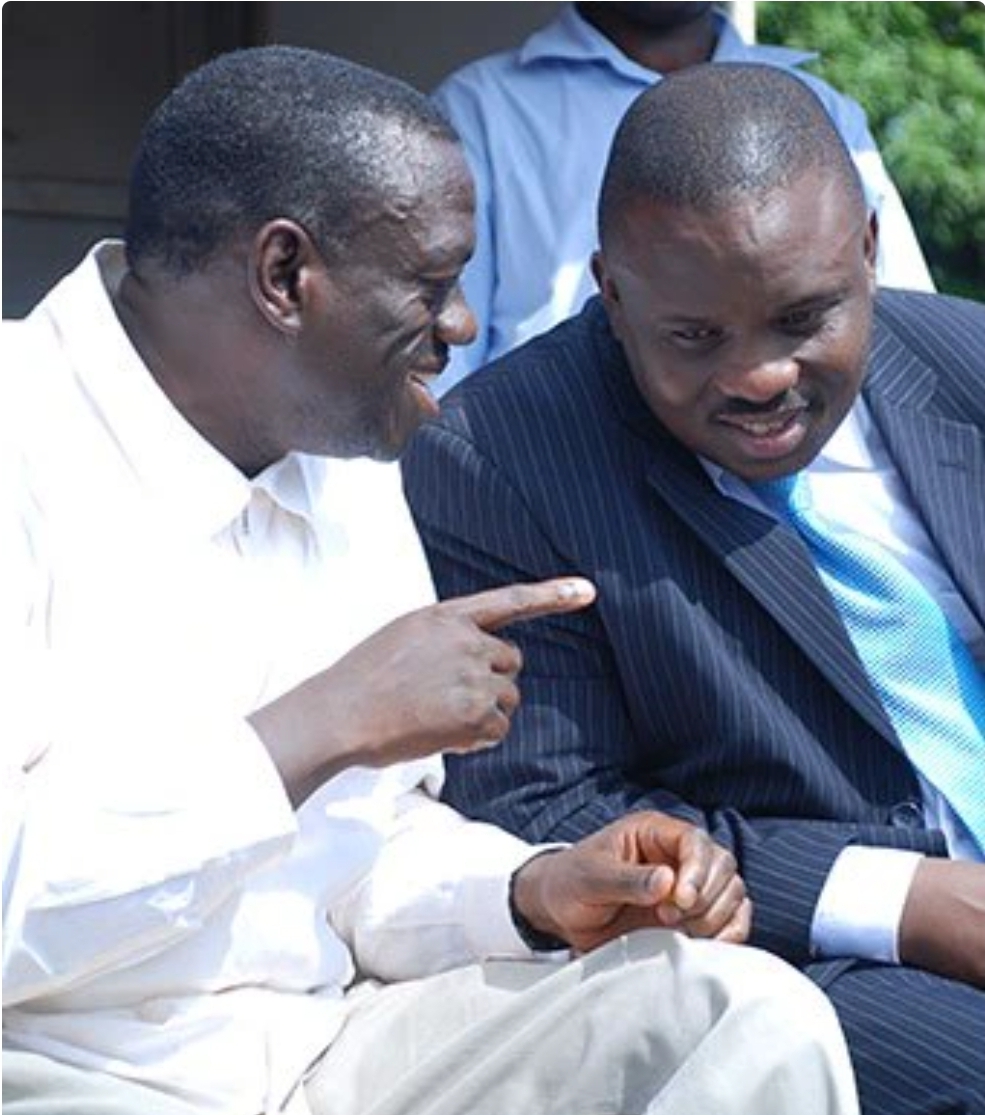 Besigye, Lukwago expected to meet Gen. Salim Saleh today at Kapeeke
Ultimate Uganda
Besigye, Lukwago expected to meet Gen. Salim Saleh today at Kapeeke
Ultimate Uganda
 Rwabwogo Advised to ‘Eat His Bishop’ As MK Prepares to Enter State H’se: PREZ MUSEVENI ON HIS WAY OUT
Ultimate Uganda
Rwabwogo Advised to ‘Eat His Bishop’ As MK Prepares to Enter State H’se: PREZ MUSEVENI ON HIS WAY OUT
Ultimate Uganda
0 Comments