
UNEB chief warns against ‘terrible gamble’ to merge exam board with NCDC

Uneb executive director, Dan Odongo
The Executive Director of the Uganda National Examinations Board (UNEB), Mr. Dan Odongo, has spoken out against potential plans to merge the assessment body with the National Curriculum Development Centre (NCDC), warning that such a move would be a "terrible gamble" for the country's education system.
Speaking during an interview at his office in Kyambogo on August 3, Mr. Odongo noted that while he is currently unaware of any concrete merger plans, any attempt to combine the two statutory agencies would compromise their distinct mandates.
"As far as we are concerned, nothing is cooking in the Ministry of Education because we do not see the need for that gamble to take place," Mr. Odongo said. "It will be a terrible thing if it happens, but I am not aware that anything like that is being considered."
He emphasized that both bodies perform highly specialized, complementary roles that require independence.
Advertisements
"These are two institutions that are doing very detailed work. I don't know countries that have merged them. If you go to Kenya, you see how the two institutions have been strengthened to carry out their mandates," Mr. Odongo added, noting that proper educational governance requires NCDC to develop the curriculum while UNEB independently assesses it and provides feedback.
The proposed merger is reportedly among the key reforms contained in the forthcoming Curriculum, Assessment and Admissions Bill, one of the major legal instruments shaping the education sector.
Defending the broad initiative, Mr. Brighton Barugahare, the Commissioner in charge of Policy Analysis and Research at the Ministry of Education and Sports, explained that the proposals form part of wider government-wide rationalization reforms aimed at improving efficiency and cutting public expenditure.
However, prominent educationists have expressed strong reservations. Prof. Anthony Mugagga Muwagga, the Principal of the College of Education and External Studies at Makerere University, cautioned that merging the entities would destroy the critical system of checks and balances within Uganda's learning framework.
Prof. Mugagga described NCDC and UNEB as macro bodies where one acts as a gatekeeper for the other. NCDC designs the curriculum from nursery to A-Level, while UNEB acts as an external validator of the quality of learning.
"If you remove the gatekeeper and then put him inside the house, what will happen?" Prof. Mugagga asked. "We have to be very thoughtful so that we don't make the same mistakes we made when we liberalized and sold off our commercial banks and other bodies, only to regret later."
He urged policymakers to establish a clear philosophy behind the proposed reform rather than relying solely on cost-cutting. Suggesting alternative areas for fiscal discipline, Prof. Mugagga said government should look toward reducing expenditure in Parliament instead of starving essential public services.
"One of our priorities should be education," he advised. "We can afford to cut the budget of Members of Parliament, but you cannot afford to have a generation of tomorrow which is semi-literate, yet they have gone to school."
Despite these warnings, some stakeholders view the proposal as a practical approach to addressing systemic financial constraints. Mr. Vincent Elong, National Chairperson of the Uganda Professional Science Teachers Union (UPSTU), voiced support for the move, arguing that a unified body could pool resources to plug long-standing budget deficits.
"You realize that there has been a funding gap between both agencies, especially in curriculum review and materials development like textbooks and guides for the A-Level aligned curriculum," Mr. Elong said. "I believe that the merger will save money, which will be used to bridge this gap." He nevertheless appealed to the government not to rush the transition and to ensure the unified entity receives adequate funding.
Speculation surrounding the UNEB-NCDC union comes on the heels of recent structural shifts within vocational and health assessment bodies under the Technical Vocational Education and Training (TVET) Act of 2025.
Last year, the Uganda Allied Health Examinations Board (UAHEB) and the Uganda Nurses and Midwives Examinations Board (UNMEB) were integrated into the Uganda Health Professionals Assessment Board (UHPAB). Similarly, in March 2025, the Uganda Business and Technical Examinations Board (UBTEB) and the Directorate of Industrial Training (DIT) merged to form the Uganda Vocational and Technical Assessment Board (UVTAB).
Established in 1973 under Decree No. 7, the NCDC remains the statutory body mandated to design, review, and implement educational curricula across pre-primary, primary, secondary, and select tertiary institutions. UNEB, formally established by an Act of Parliament in 1983 after initiating operations in 1980, serves as the national assessment authority responsible for managing national primary and secondary examinations and conducting educational research to maintain academic standards.


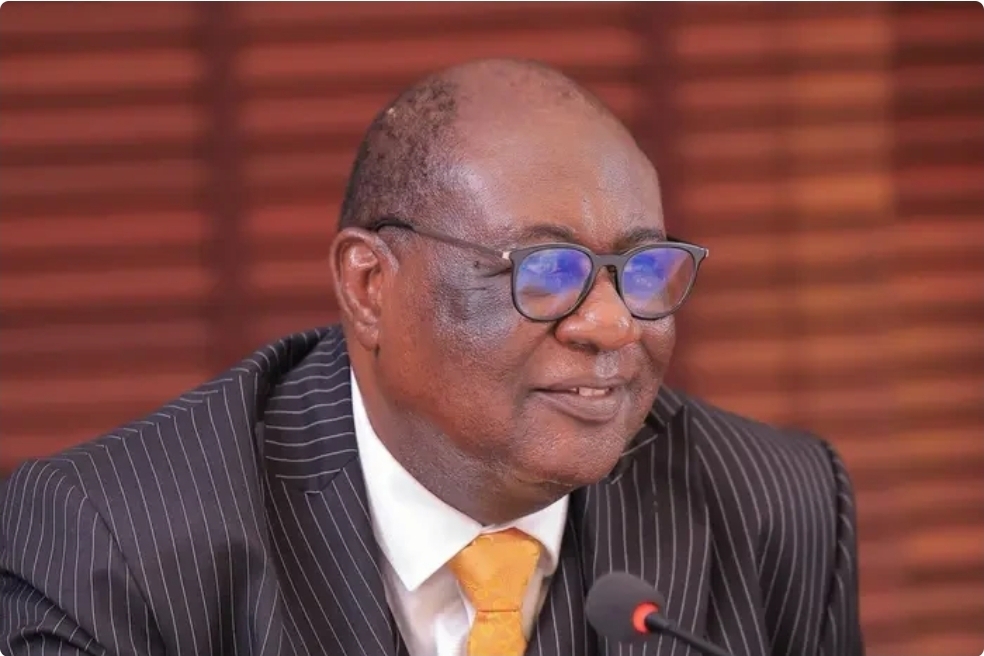 Government will not gazette Kijanangoma as King of Tooro for now - Attorney General insists
Ultimate Uganda
Government will not gazette Kijanangoma as King of Tooro for now - Attorney General insists
Ultimate Uganda
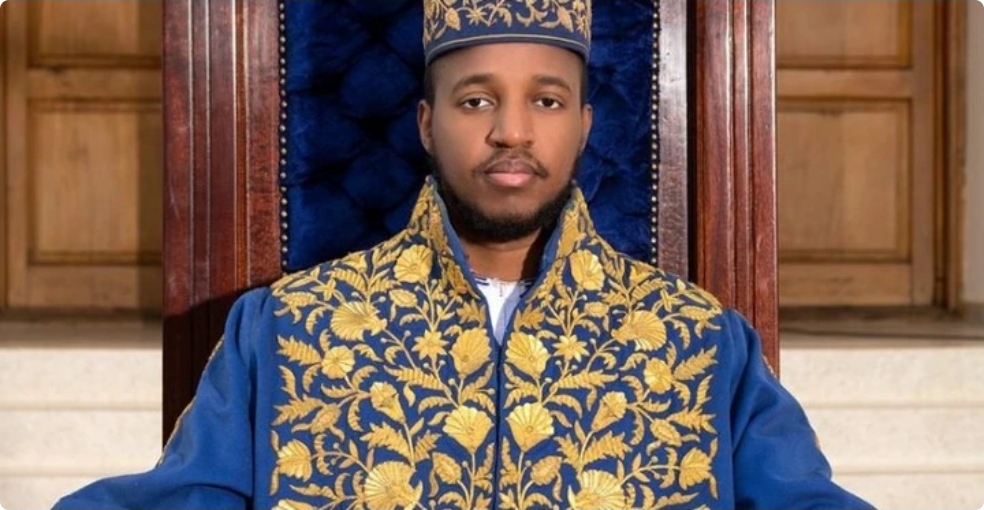 King Oyo’s Body to Arrive Thursday
Ultimate Uganda
King Oyo’s Body to Arrive Thursday
Ultimate Uganda
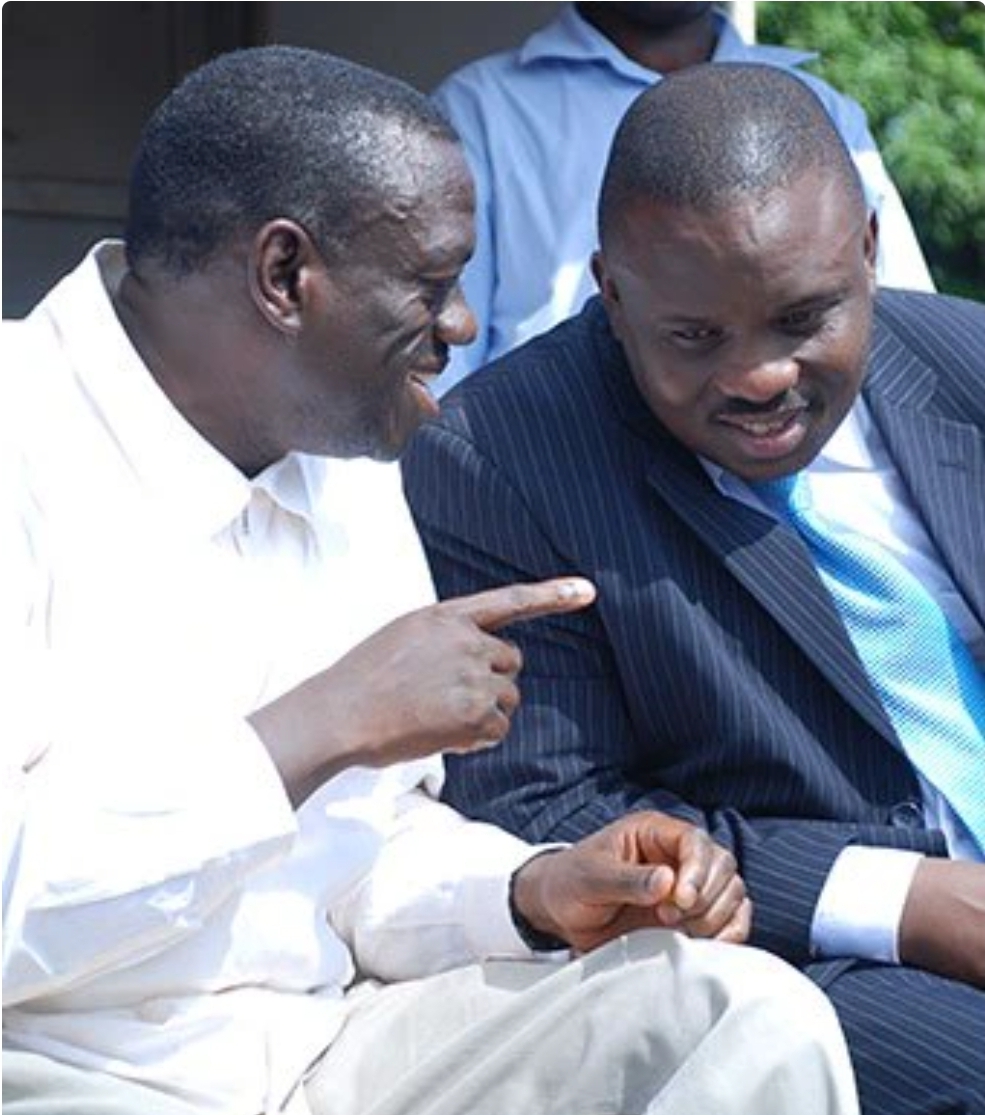 Besigye, Lukwago expected to meet Gen. Salim Saleh today at Kapeeke
Ultimate Uganda
Besigye, Lukwago expected to meet Gen. Salim Saleh today at Kapeeke
Ultimate Uganda
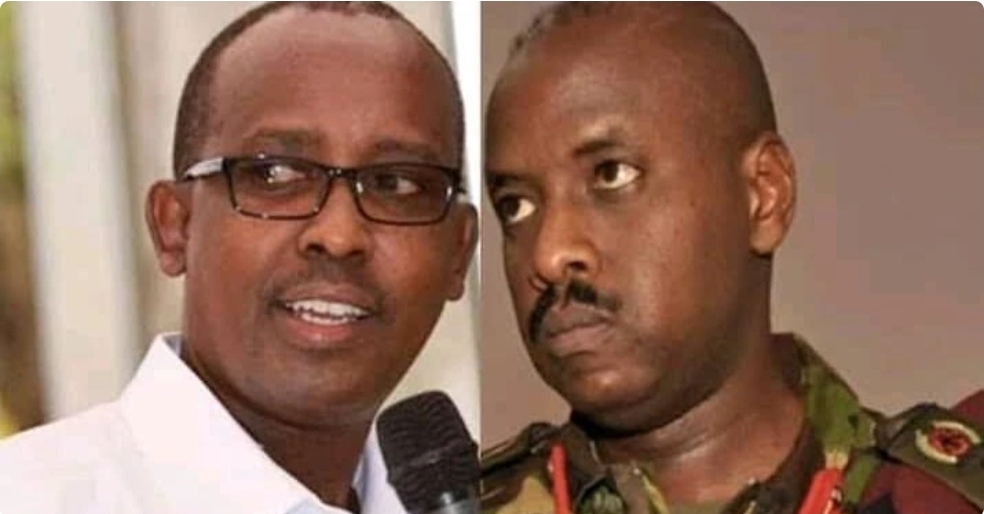 Rwabwogo Advised to ‘Eat His Bishop’ As MK Prepares to Enter State H’se: PREZ MUSEVENI ON HIS WAY OUT
Ultimate Uganda
Rwabwogo Advised to ‘Eat His Bishop’ As MK Prepares to Enter State H’se: PREZ MUSEVENI ON HIS WAY OUT
Ultimate Uganda
0 Comments