
Monitor Returns to Print, but Readers Question Editorial Shift
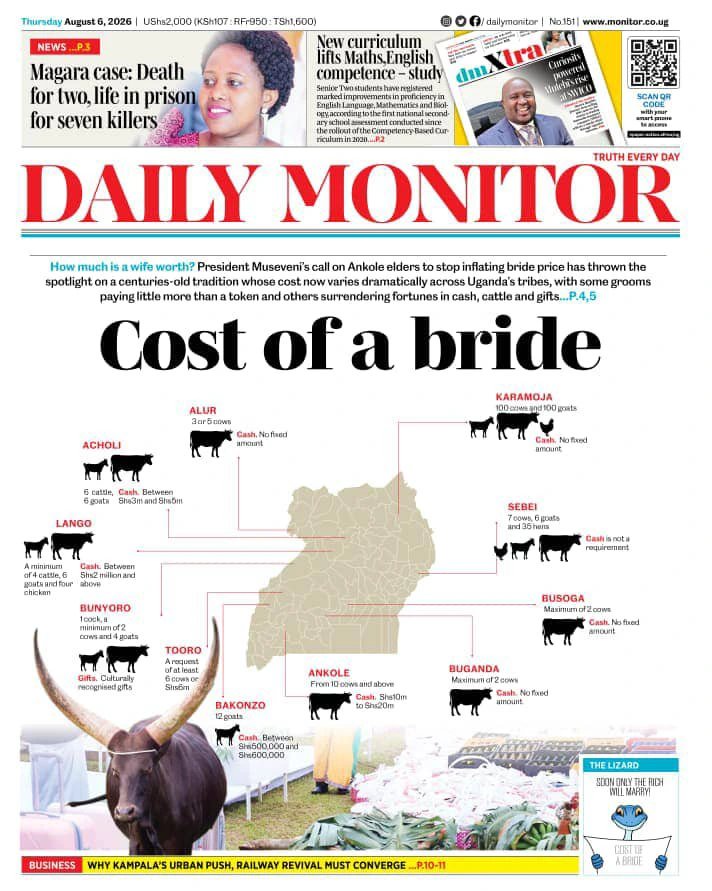

The newspaper's lead story, "Cost of a Bride," examined bride price practices across Uganda's different cultures, while other front-page stories focused on education and crime.
Nation Media Group’s Daily Monitor returned to the streets on Thursday after more than a month-long shutdown, but its first print edition has ignited debate over whether Uganda’s leading independent newspaper has undergone a significant editorial shift following its reopening.
The newspaper’s lead story, “Cost of a Bride,†examined bride price practices across Uganda’s different cultures, while other front-page stories focused on education and crime.
The absence of major political or governance stories quickly drew mixed reactions from readers on social media, with some questioning whether the publication had softened its editorial approach.
The phrase “#MonitorByMK†began circulating online, with critics alleging that the newspaper’s editorial direction now reflects conditions reportedly agreed upon before the government allowed the media house to resume operations.
Although neither Nation Media Group nor the Ugandan government has publicly confirmed that any editorial conditions were attached to the reopening, the newspaper’s first edition has fuelled speculation that its newsroom may be taking a more cautious approach to political coverage.
The return to print comes days after NMG announced it had received government clearance to resume operations following high-level negotiations.
In the early hours of June 28, armed personnel from the Uganda People’s Defence Forces (UPDF) sealed off the company’s headquarters in Namuwongo and its broadcast studios at the Kampala Serena International Conference Centre.
Electricity was disconnected, television and radio transmissions were switched off, and staff were locked out of the premises.
The operation followed public directives issued by Chief of Defence Forces Gen. Muhoozi Kainerugaba. Through posts on X, Gen. Muhoozi declared that the Daily Monitor and NTV Uganda had been shut down and would not reopen without his permission.
He later accused the media house of engaging in “activism†and promoting opposition and foreign interests.
The shutdown affected the Daily Monitor, NTV Uganda, Spark TV, KFM and Dembe FM, leaving hundreds of journalists and support staff unable to work for nearly a month.
It marked the second major security operation against the newspaper in just over a decade. In May 2013, security forces occupied the Daily Monitor offices for 11 days following publication of a story on the so-called “Muhoozi Project,†linked to presidential succession.
Unlike the 2013 standoff, the latest impasse ended through behind-the-scenes negotiations rather than court action. NMG’s majority shareholder, Tanzanian businessman Rostam Azizi, through Taifa Group, which acquired a controlling stake in the company earlier this year, reportedly held discussions with both Gen. Muhoozi and President Yoweri Museveni at the Special Forces Command headquarters in Entebbe and later at State House.
On July 28, NMG announced it had been authorised to resume operations in phases. Board Chairman Joe Muganda said the company’s television, print, radio and digital platforms would return gradually.
Azizi later publicly thanked President Museveni and Gen. Muhoozi for facilitating the reopening.
Thursday’s edition marked the newspaper’s full return to print.
Readers React
Some readers welcomed the newspaper’s return but questioned whether its editorial character had changed. “I’m happy the Monitor is back, but this doesn’t feel like the Monitor we knew. It was famous for asking difficult questions of those in power,†said Isaac M., a reader in Kampala.
Another reader, Sarah N. from Mukono, said the front page appeared unusually cautious. “There’s nothing wrong with human-interest stories, but after everything that happened, I expected stronger public-interest reporting. The front page surprised me.â€
However, not everyone shared that view. Paul K., a businessman in Mbarara, urged readers not to rush to conclusions. “It’s only the first edition after reopening. We should give the newsroom time before concluding that its editorial policy has changed.â€
Whether the newspaper’s editorial direction has fundamentally shifted remains unclear. However, its first edition after reopening has already sparked a wider conversation about media independence, editorial freedom and the future of one of Uganda’s most influential news organisations.


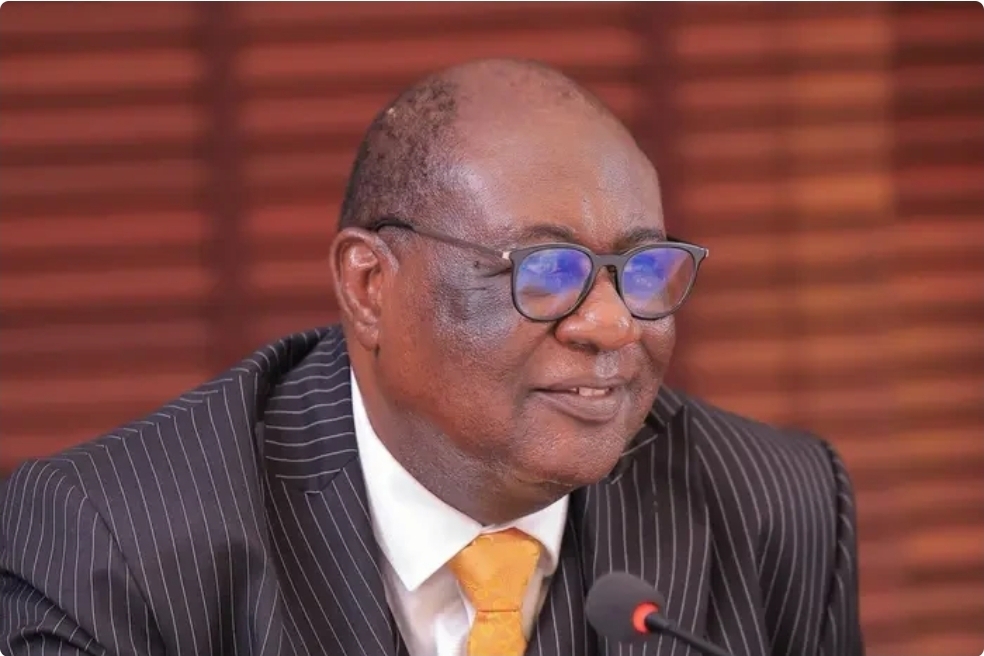 Government will not gazette Kijanangoma as King of Tooro for now - Attorney General insists
Ultimate Uganda
Government will not gazette Kijanangoma as King of Tooro for now - Attorney General insists
Ultimate Uganda
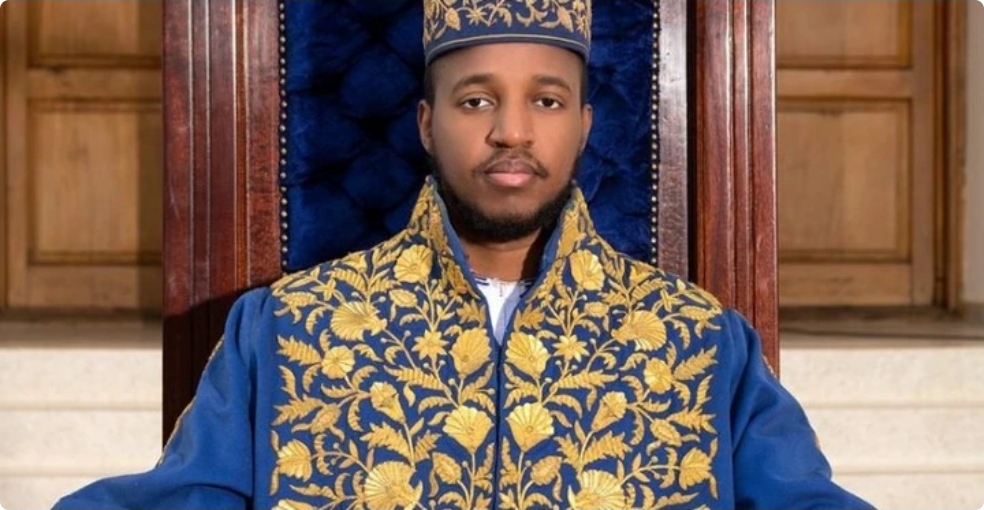 King Oyo’s Body to Arrive Thursday
Ultimate Uganda
King Oyo’s Body to Arrive Thursday
Ultimate Uganda
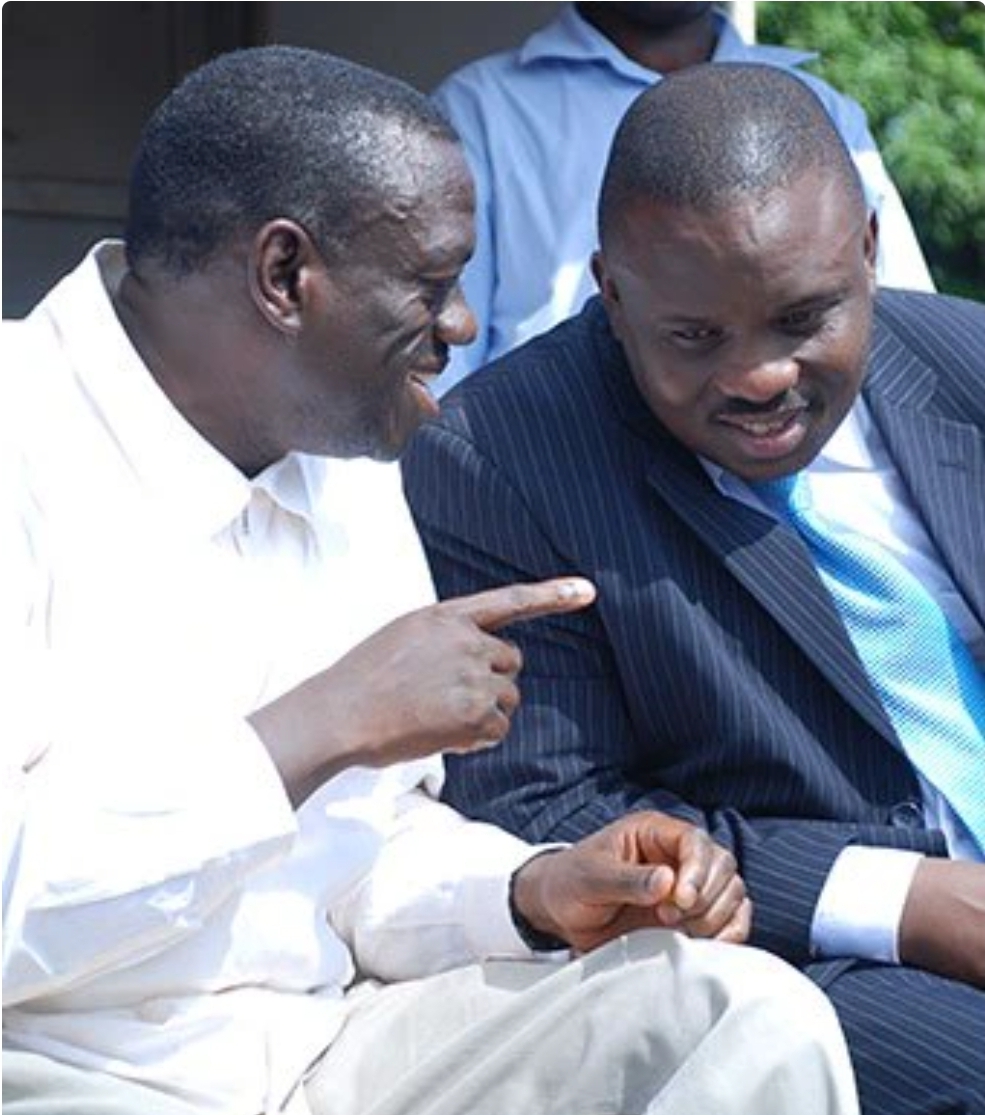 Besigye, Lukwago expected to meet Gen. Salim Saleh today at Kapeeke
Ultimate Uganda
Besigye, Lukwago expected to meet Gen. Salim Saleh today at Kapeeke
Ultimate Uganda
 Rwabwogo Advised to ‘Eat His Bishop’ As MK Prepares to Enter State H’se: PREZ MUSEVENI ON HIS WAY OUT
Ultimate Uganda
Rwabwogo Advised to ‘Eat His Bishop’ As MK Prepares to Enter State H’se: PREZ MUSEVENI ON HIS WAY OUT
Ultimate Uganda
0 Comments