
€207 Million Loan for Jinja-Kamuli Road Reignites Debt Sustainability Concerns
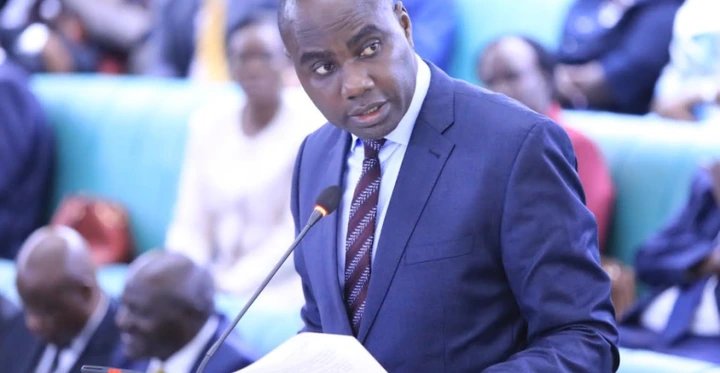

Finance Minister Henry Musasizi has tabled a proposal before Parliament seeking approval for government to borrow up to €207.77 million from Citibank to finance the design and construction of the 127-kilometre Jinja-Mbulamuti-Kamuli-Bukungu Road, alongside 10 kilometres of urban roads within Jinja City.
The proposal has since been referred to the Committee on National Economy for further scrutiny, in line with standard parliamentary procedure for government borrowing requests.
Deputy Speaker Thomas Tayebwa directed that the relevant Sectoral Committees be given 14 days to review the proposal and submit their findings to the Committee on National Economy, which is then required to report back to the House within 45 days for consideration and a final decision.
If approved, the loan will add to a public debt stock that has already become one of the most contentious issues in Uganda’s fiscal policy debate. According to the latest budget documents from the Ministry of Finance, Uganda’s total public debt stood at $34.86 billion by the end of December 2025, equivalent to approximately Shs126.19 trillion, and representing a debt-to-GDP ratio of 53 percent, up from 52.1 percent a year earlier. Of that figure, $15.84 billion was external debt and $19.02 billion domestic debt, a split that has been growing steadily over the past decade as government leans on both foreign lenders and the domestic market to fund its infrastructure projects.
Budget projections show interest payments on public debt rising to 4.7 percent of GDP in the 2025/26 financial year, up from 3.7 percent the previous year, a trend analysts warn risks crowding out spending on essential services. More strikingly, government plans to spend about Shs33.4 trillion on debt servicing alone in the 2026/27 financial year, representing nearly 40 percent of the entire Shs84.3 trillion national budget, making debt servicing the single largest line item in the budget, ahead of health, education or infrastructure development itself.
Economists have previously described the pattern as a debt trap, arguing that government’s growing reliance on domestic borrowing at rates of between 15 and 19 percent is diverting an outsized share of revenue toward interest payments rather than development priorities, with critics noting that more than 30 percent of domestic revenue now goes toward interest payments, a proportion they say far exceeds regional averages. Uganda’s debt-to-GDP ratio, at roughly 53 percent, has also been flagged as exceeding the East African Community’s own sustainability ceiling, and higher than Tanzania’s comparable ratio of 48 percent.
Government has consistently pushed back against characterisations of an unsustainable debt burden, insisting that borrowed funds are being channelled into strategic sectors such as transport, energy, water, agriculture, education and digital infrastructure that will ultimately expand the economy’s productive capacity and justify the cost of servicing the loans, particularly as the country moves into commercial oil production.


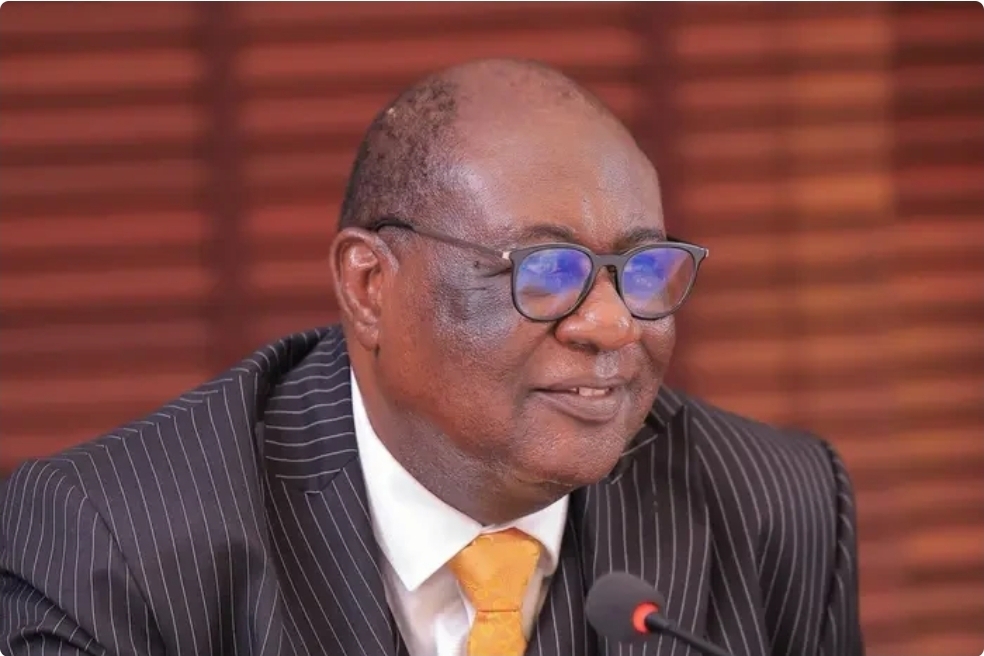 Government will not gazette Kijanangoma as King of Tooro for now - Attorney General insists
Ultimate Uganda
Government will not gazette Kijanangoma as King of Tooro for now - Attorney General insists
Ultimate Uganda
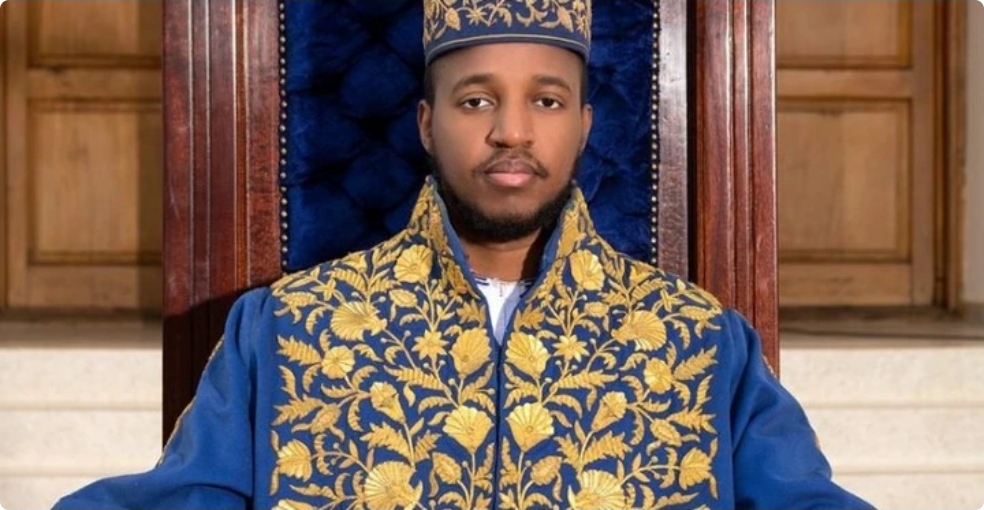 King Oyo’s Body to Arrive Thursday
Ultimate Uganda
King Oyo’s Body to Arrive Thursday
Ultimate Uganda
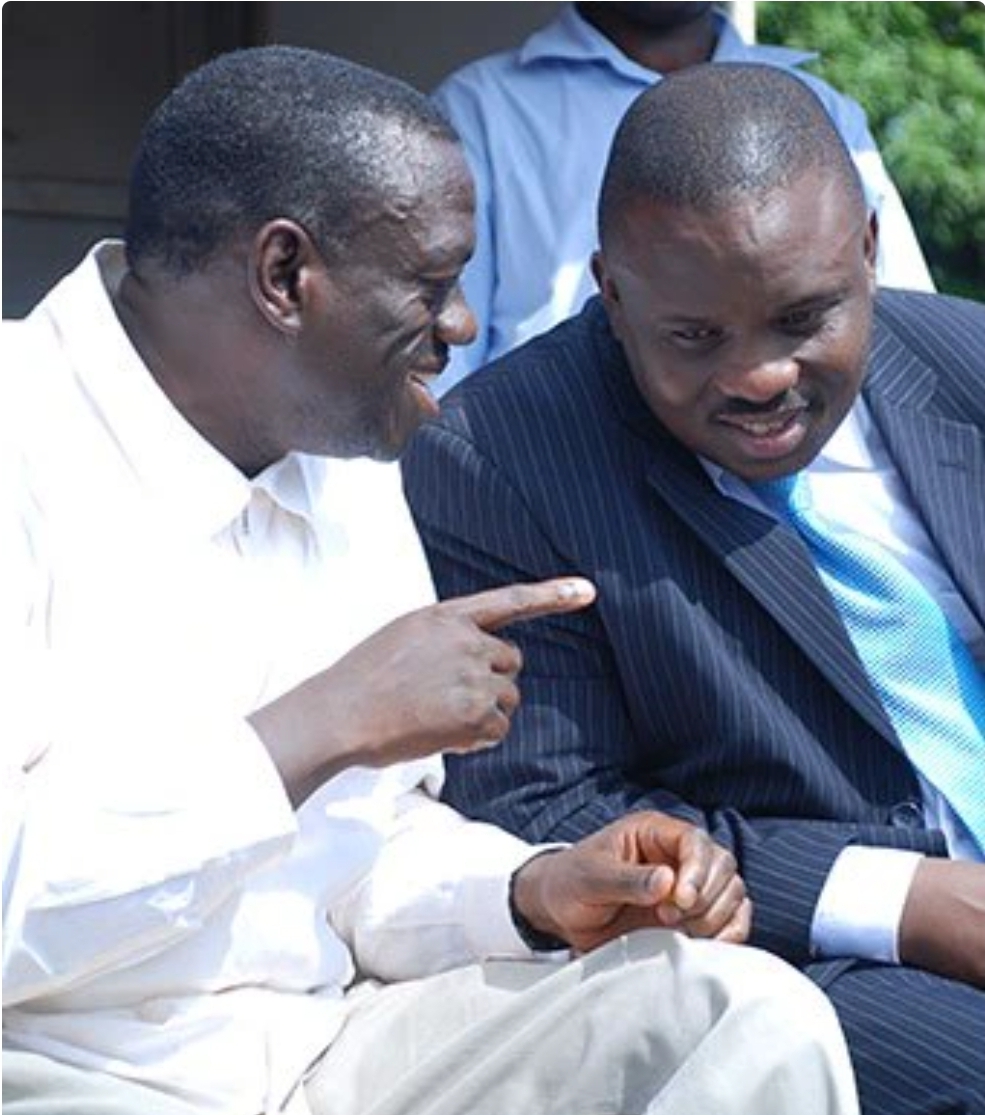 Besigye, Lukwago expected to meet Gen. Salim Saleh today at Kapeeke
Ultimate Uganda
Besigye, Lukwago expected to meet Gen. Salim Saleh today at Kapeeke
Ultimate Uganda
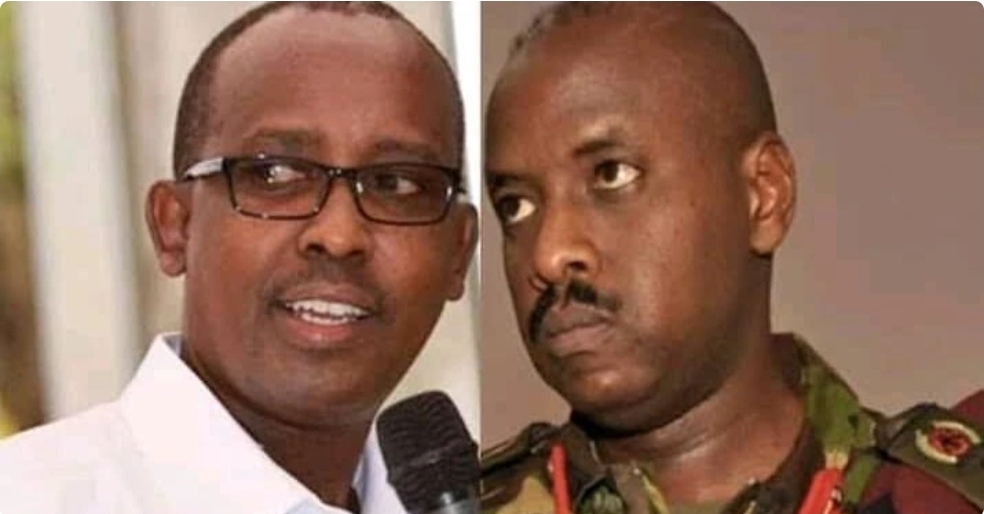 Rwabwogo Advised to ‘Eat His Bishop’ As MK Prepares to Enter State H’se: PREZ MUSEVENI ON HIS WAY OUT
Ultimate Uganda
Rwabwogo Advised to ‘Eat His Bishop’ As MK Prepares to Enter State H’se: PREZ MUSEVENI ON HIS WAY OUT
Ultimate Uganda
0 Comments