
Today in History: Mwenda Granted Bail After Sedition Arrest


Andrew Mwenda behind cell at Nakawa Court during his appearance at courthouse on August 15, 2005 on sedition charges. Mwenda, then 33, was released on a cash bail of Shs500,000 | Mike Odongkara-AFP
During the broadcast, Mwenda criticised the government's handling of the flight and raised questions about safety oversight. The Uganda Broadcasting Council subsequently ordered the closure of KFM on August 11, before security forces arrested the journalist the following day.
On August 15, 2005, journalist Andrew Mwenda was granted bail at the Chief Magistrates Court in Kampala, three days after his arrest on charges of sedition.
Mwenda had been arrested on August 12 following comments he made on his KFM radio programme about the July 30, 2005 helicopter crash that killed Sudanese Vice President John Garang aboard Ugandan President Yoweri Museveni's presidential aircraft.
During the broadcast, Mwenda criticised the government's handling of the flight and raised questions about safety oversight. The Uganda Broadcasting Council subsequently ordered the closure of KFM on August 11, before security forces arrested the journalist the following day.
When he appeared in court on August 15, prosecutors accused Mwenda of making statements intended to "bring into hatred or contempt or to excite disaffection against the person of the president."
Mwenda pleaded not guilty and defended his comments as an exercise of his constitutional rights.
"I cannot be guilty of exercising my right to liberty and my right to free speech guaranteed under the constitution," he told court.
Chief Magistrate Deo Nizeyimana granted Mwenda bail of Shs500,000, with five sureties each bound at Shs2 million.
Mwenda remained in custody briefly after the ruling as colleagues and representatives from Monitor Publications raised the Shs10.5 million required for the bail processing. He was later released that day.
His release marked the beginning of a broader legal challenge. Mwenda and Monitor Publications announced plans to petition the Constitutional Court over Uganda's sedition laws, arguing that criminalising journalistic work violated constitutional protections for freedom of expression and the press.
The case became an important episode in Uganda's wider debate over press freedom, free speech and the limits of criminal law in regulating journalism.


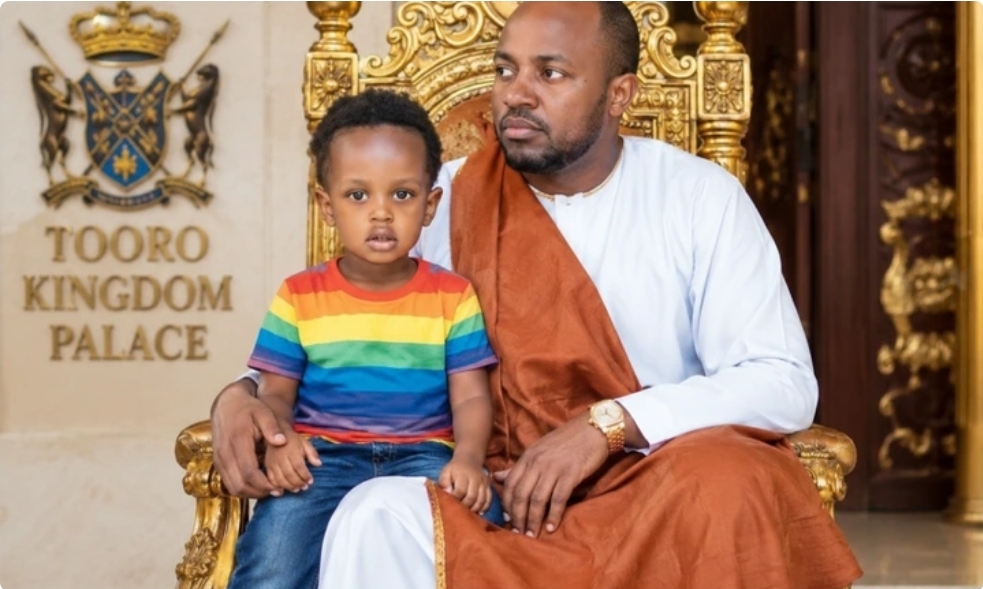 The women who have been in King Oyo’s life
Ultimate Uganda
The women who have been in King Oyo’s life
Ultimate Uganda
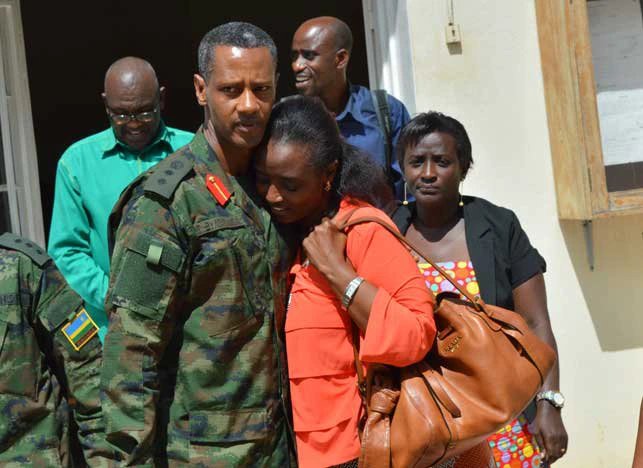 Ex Kagame Guard Commander Tom Byabagamba Dies in Rwandan Prison After 12 Years
Ultimate Uganda
Ex Kagame Guard Commander Tom Byabagamba Dies in Rwandan Prison After 12 Years
Ultimate Uganda
 Government begins salary payments for public sector workers – Reform Committee
Ultimate Uganda
Government begins salary payments for public sector workers – Reform Committee
Ultimate Uganda
 Temangalo land: NSSF, Nzenyi reach agreement
Ultimate Uganda
Temangalo land: NSSF, Nzenyi reach agreement
Ultimate Uganda
0 Comments