
Kitgum Pays Shs1.72 Billion to 344 Cattle Restocking Beneficiaries
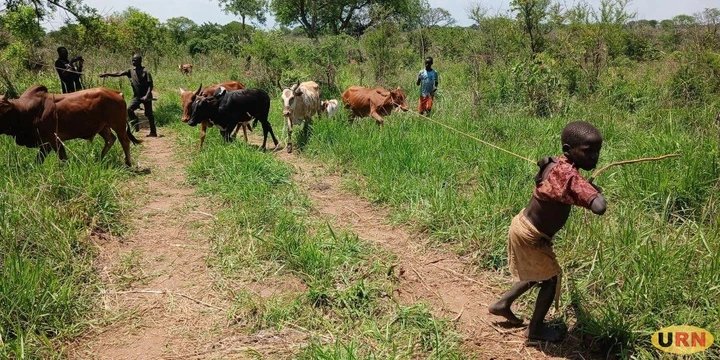

Kitgum District has paid Shs1.72 billion to 344 beneficiaries under the government cattle restocking programme, with each beneficiary receiving Shs5 million to purchase livestock.
Francis Omona, the animal husbandry officer, also acting Kitgum District Veterinary Officer, said the district initially approved 386 beneficiaries after lower local governments conducted selections at parish level.
He said the district’s allocation was estimated at Shs1.93 billion, but only 360 beneficiary slots were eventually provided through the Cattle Restocking Management Information System.
Omona said the remaining 16 beneficiaries had not received the money at the time of the interview, although the system showed that the funds had already been disbursed, and they were expected to receive them during the week.
The cattle restocking programme uses a digital system that draws beneficiary information from the Parish Development Model database.
Omona said local council leaders first onboarded the selected farmers into the system before the beneficiaries underwent verification at different levels, including the parish, Resident District Commissioner’s office and sub-county offices.
The district encountered challenges during the verification process after some beneficiaries changed their locations or telephone numbers from those registered in the PDM system. Some cases were resolved by allowing families to consent to another member taking over the beneficiary slot where the originally selected farmer’s details could not be reconciled with the system.
Omona, however, raised concerns over reports that some beneficiaries were diverting the restocking money to activities unrelated to livestock. He said some beneficiaries reportedly used the money to buy motorcycles or renovate houses instead of purchasing cattle.In some cases beneficiaries bought fewer cattle than the recommended five animals.
Lakica, a beneficiary in Omiya Anyima who asked to be identified by one name, said she bought only three animals due to the rise in prices of animals generated by the thousands of concurrent cash recipients across the subregion.
According to Lakica, where quality a heifer previously was sold between Shs 800,000 and 1,000,000, prices have gone up by at least Shs 200,000. She said the additional costs such as mandatory veterinary inspection, movement permits, and local transport, makes it impossible to buy five animals with five million shillings allocation.
“The 5 million Shillings was meant for five animals, but market sellers quickly adjusted prices upward once they realized buyers were cash-funded restocking beneficiaries,” Lakica said. “When you add the costs of transport and vaccination, buying five quality head of cattle is practically impossible.”
Patrick Oyet, an elder from Acutomer cell in Pandwong division in Kitgum municipality who didn’t want to disclose whether he received the restocking money or not, argued that buying five cheap animals under current market conditions meant risking frail livestock, yet he wants to buy animals that can be used for ploughing within the shortest time.”
“If I insisted on buying five animals with 5 million Shillings, I would have been forced to buy weak, undersized, or diseased calves that would die during the dry season,” Oyet said.


 The women who have been in King Oyo’s life
Ultimate Uganda
The women who have been in King Oyo’s life
Ultimate Uganda
 Ex Kagame Guard Commander Tom Byabagamba Dies in Rwandan Prison After 12 Years
Ultimate Uganda
Ex Kagame Guard Commander Tom Byabagamba Dies in Rwandan Prison After 12 Years
Ultimate Uganda
 Government begins salary payments for public sector workers – Reform Committee
Ultimate Uganda
Government begins salary payments for public sector workers – Reform Committee
Ultimate Uganda
 Temangalo land: NSSF, Nzenyi reach agreement
Ultimate Uganda
Temangalo land: NSSF, Nzenyi reach agreement
Ultimate Uganda
0 Comments