
Stop Beating Nup Supporters; Museveni Blasts UPDF, Police

Reader mode
Stop Beating Nup Supporters; Museveni Blasts UPDF, Police
spyreports.co.ug
20h
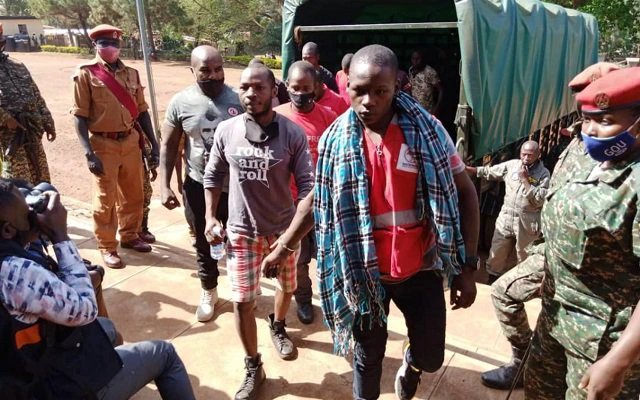
In a surprising move, President Yoweri Museveni shocked many Ugandans when he publicly condemned the use of excessive force by security personnel during elections. In a statement made on Wednesday, the president emphasized that acts of violence, such as beatings and torture, were both unnecessary and avoidable, sending a strong message to security officers and the public alike.
His words came at a time when opposition parties, particularly the National Unity Platform (NUP), had repeatedly accused the security forces of heavy-handed tactics aimed at stifling political dissent and intimidating supporters of the opposition.
Museveni’s call for a more disciplined and patient approach from the security forces marked a significant shift in tone. “Beating people shows a lack of patience,†he said, asserting that torture was not only unjust but also counterproductive. This rare acknowledgment of the problem of election violence sent shockwaves through the country, where many have long felt that security forces acted with impunity, especially during politically sensitive periods.
The president’s remarks were directed at both the police and military, who have been accused of using excessive force to break up rallies and detain opposition activists. NUP, led by Robert Kyagulanyi, known as Bobi Wine, has consistently claimed that security personnel were deployed to suppress their campaigns through intimidation and violence. While the government has always denied these allegations, Museveni’s statement appeared to be an attempt to address these concerns head-on, signaling a willingness to engage in dialogue with security agencies about their conduct.
However, the president’s words were not just about condemning violence; they were a call for better organization and discipline within the security sector. Rejecting the idea that the country’s security agencies were overwhelmed by the scale of public disorder, he emphasized that peace and order could be maintained not by sheer numbers, but through effective planning and management. “Peace and order are maintained through organization, not numbers alone,†Museveni explained, underscoring the importance of strategic deployment and leadership within the forces.
Turning his attention to the country’s development, Museveni spoke about the strides made in various regions, including Greater Mubende, where he noted improvements in infrastructure, healthcare, and education. Despite these positive changes, he pointed out the critical areas still in need of attention, particularly in access to safe water in certain districts. His remarks about Kasanda District, which has only 34% access to safe water, drew attention to the leadership choices that have impacted development in the area.
On economic matters, Museveni defended his government’s policy on free education, explaining that the problem of school dropouts had worsened with the reintroduction of school charges. He also reiterated that the state could not be the primary employer in a country of nearly 50 million people, stressing that real employment opportunities came from the private sector, particularly through factories, agriculture, and ICT. He proudly stated that new factories had created over 1.3 million jobs, demonstrating the government’s commitment to fostering economic growth.
The president also made a strong case for regional integration, criticizing opposition leaders for failing to recognize the importance of expanding markets beyond Uganda’s borders. “None of the opposition presidential candidates talk about the regional market. That thinking is dangerous,†he warned, arguing that Uganda’s future prosperity depended on broader regional cooperation and trade. By invoking the African principle of “Uhuru na Umoja†(freedom and unity), he highlighted the need for Uganda to think beyond its national borders and embrace a larger vision of regional collaboration.
In his final comments, Museveni pledged continued efforts to improve the country’s infrastructure and public services, emphasizing the need for careful prioritization of public resources.
As Uganda prepares for future elections, his call for peace, discipline, and accountability in the security forces will likely become a central point of discussion. Whether his words lead to meaningful change remains to be seen, but they have certainly sparked a conversation about the need for greater transparency, better governance, and a more peaceful political environment.


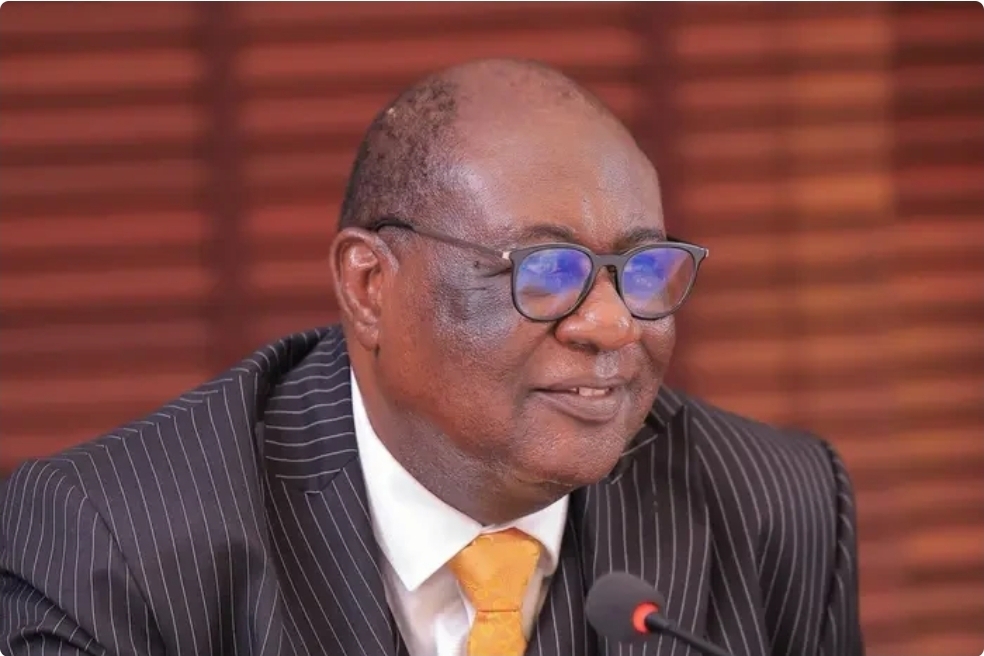 Government will not gazette Kijanangoma as King of Tooro for now - Attorney General insists
Ultimate Uganda
Government will not gazette Kijanangoma as King of Tooro for now - Attorney General insists
Ultimate Uganda
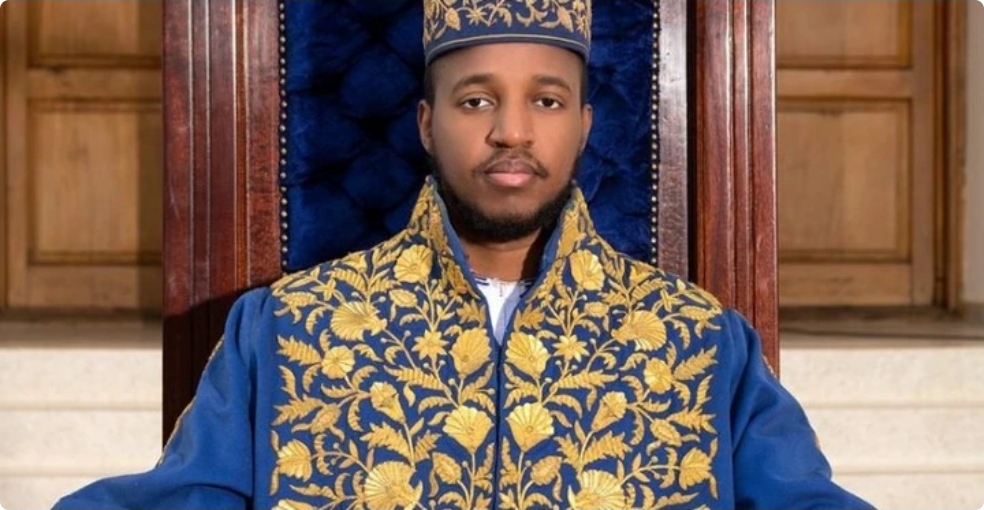 King Oyo’s Body to Arrive Thursday
Ultimate Uganda
King Oyo’s Body to Arrive Thursday
Ultimate Uganda
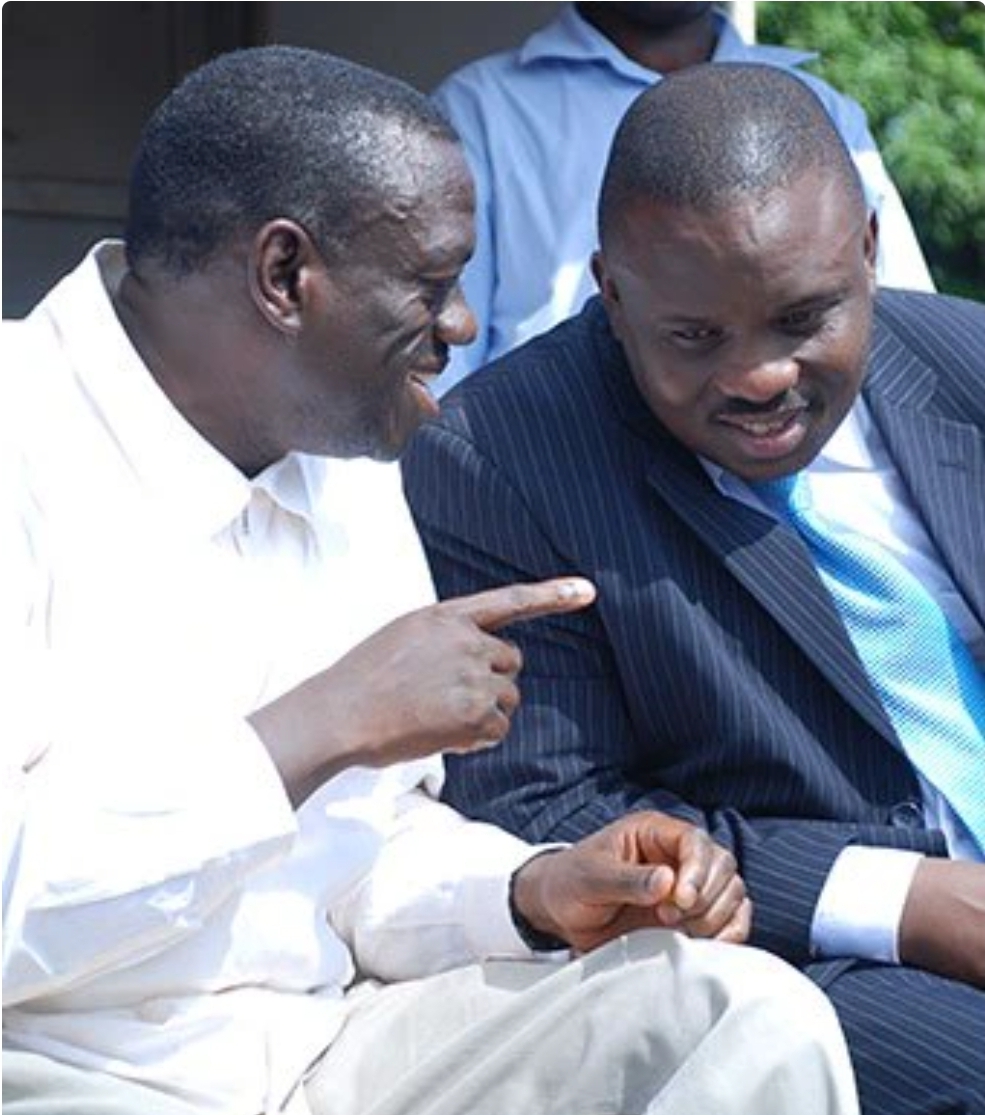 Besigye, Lukwago expected to meet Gen. Salim Saleh today at Kapeeke
Ultimate Uganda
Besigye, Lukwago expected to meet Gen. Salim Saleh today at Kapeeke
Ultimate Uganda
 Rwabwogo Advised to ‘Eat His Bishop’ As MK Prepares to Enter State H’se: PREZ MUSEVENI ON HIS WAY OUT
Ultimate Uganda
Rwabwogo Advised to ‘Eat His Bishop’ As MK Prepares to Enter State H’se: PREZ MUSEVENI ON HIS WAY OUT
Ultimate Uganda
0 Comments