
Government Sets Stage for Transparent Mineral Trade at Ntungamo New Market Centre
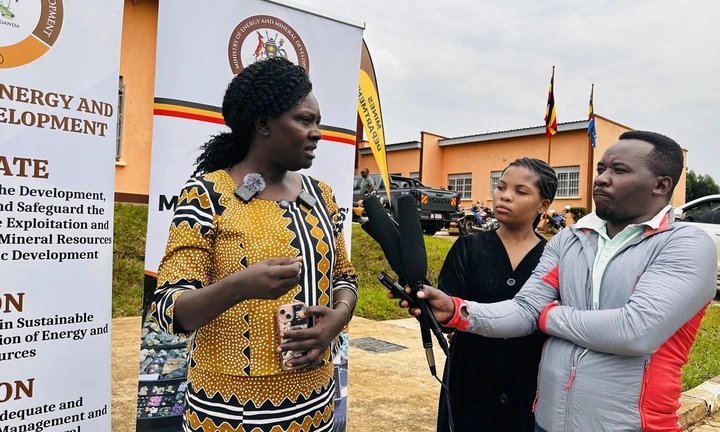

Ntungamo—On Friday 19th, the Ministry of Energy and Mineral Development under the Government of Uganda hosted a high-profile Mineral Markets Sensitization Workshop at the newly established Ntungamo Mineral Market Facility, marking a critical step in formalizing the country’s mineral value chain.
The government-led initiative aims to bring miners and buyers into a one-stop regulated centre, enhance price transparency, curb exploitation of artisanal miners, and ensure that minerals are tested and paid for on the spot. The move aligns with the Ministry’s broader mandate to streamline artisanal and small-scale mining (ASM) and boost value addition of mineral resources.
Addressing participants, Ms Agnes Alaba, Commissioner for Minerals at the Ministry, reiterated that the facility will eliminate middlemen malpractices and protect miners from being cheated. “Once complete, an artisanal miner here in Ntungamo will not be cheated anymore. He will bring his gold here, it’s measured here in his presence and he gets paid here. Claims of fake gold will no longer arise,†she said, emphasising the centre’s role in fostering fair trading and instant value realisation.
Alaba, who represented the ministry’s Permanent Secretary Eng. Irene Pauline Bateebe, also highlighted that strengthening local value addition will enable Uganda to compete on the world minerals market, enabling dealers to sell processed minerals rather than raw unverified consignments.
RDC Ntungamo District, Miriam Kagiiga Mugisha, thanked President Yoweri Museveni for the visionary leadership that brought the facility to the district. She said the market centre will spur jobs, improve infrastructure such as roads and power, and attract investment.
The workshop drew top district leaders, including the CAO who was recognized for fighting and securing the land on which the facility seats, RDC, police commanders, community representatives, and leaders of miners’ associations.
The workshop also linked Uganda’s efforts with recent continental engagements. At the PanAfGeo+ (Pan-African Support to Geological Sciences and Technology) workshop in Entebbe, geoscientists from across Africa came together to deepen cooperation and strengthen capacity to map, assess and manage the continent’s mineral wealth- under the umbrella of the Organisation of African Geological Surveys (OAGS), a key PanAfGeo partner.
At the Entebbe meeting a few weeks ago, member states agreed continental cooperation and joint geological intelligence are essential for thorough mineral wealth assessment and sustainable exploitation, an objective that directly supports Uganda’s drive to formalize its mineral markets.
Mr Gabriel Data was elected President of the Organization of African Geological Surveys (OAGS) during the AGM in Entebbe recently, an outcome seen as strengthening the continental platform where Uganda’s technical officers take part in shaping Africa’s geological agenda.
Sector Snapshot: Minerals and Uganda’s Economy
Minerals and mining in Uganda remain a key but under-captured economic driver. Historically, mining once accounted for as much as 6% of national GDP in the mid-20th century, a peak long since passed.
Latest verified data from the Uganda Extractive Industries Transparency Initiative (UGEITI) shows that the extractive sector contributed about 1.47% to national GDP in FY 2022/23, with the mining segment alone contributing roughly UGX 299.95 billion to state revenues.
Artisanal and small-scale mining constitutes more than 90% of mineral output and employs a significant workforce, though precise formal employment figures remain understated in official statistics.
Under Vision 2040 and current policy frameworks, government targets see the mineral sector’s contribution to GDP rising significantly, with some sector analyses projecting potential increases beyond current levels if value addition and investment are scaled.
The Ugandan government, through strategic initiatives including value addition, formalisation of ASM, and improved market governance like the Ntungamo facility, hopes to increase foreign-earnings, tax remittances, and local beneficiation.
In summary, Friday’s event in Ntungamo is more than just a workshop—it’s a blueprint for reform, aiming to formalize mineral trade, protect the weakest players in the value chain, and lay groundwork for a more lucrative, transparent, and globally competitive Ugandan mining sector.


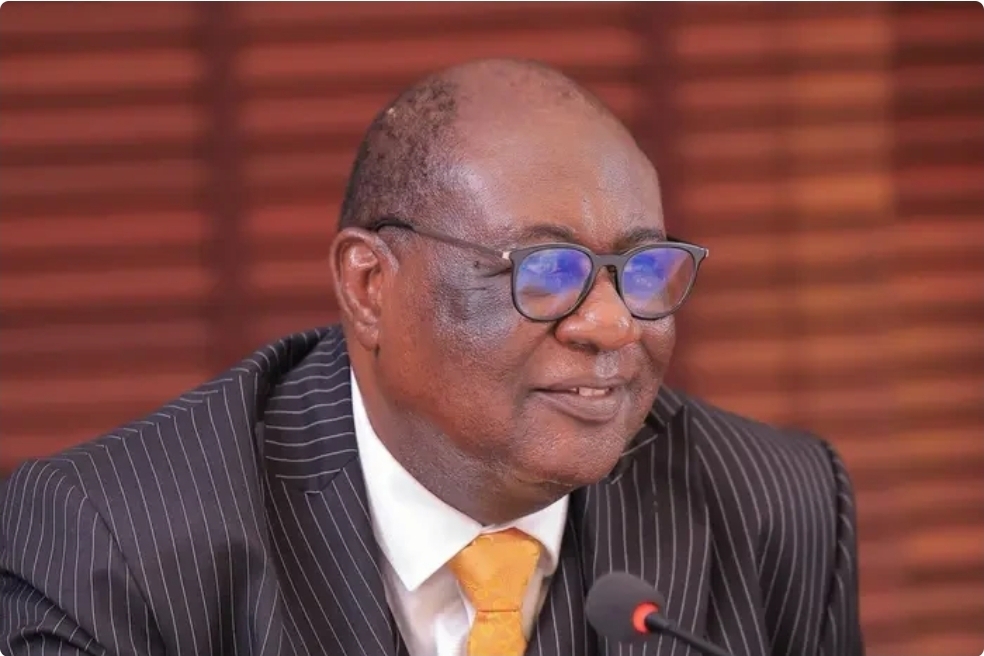 Government will not gazette Kijanangoma as King of Tooro for now - Attorney General insists
Ultimate Uganda
Government will not gazette Kijanangoma as King of Tooro for now - Attorney General insists
Ultimate Uganda
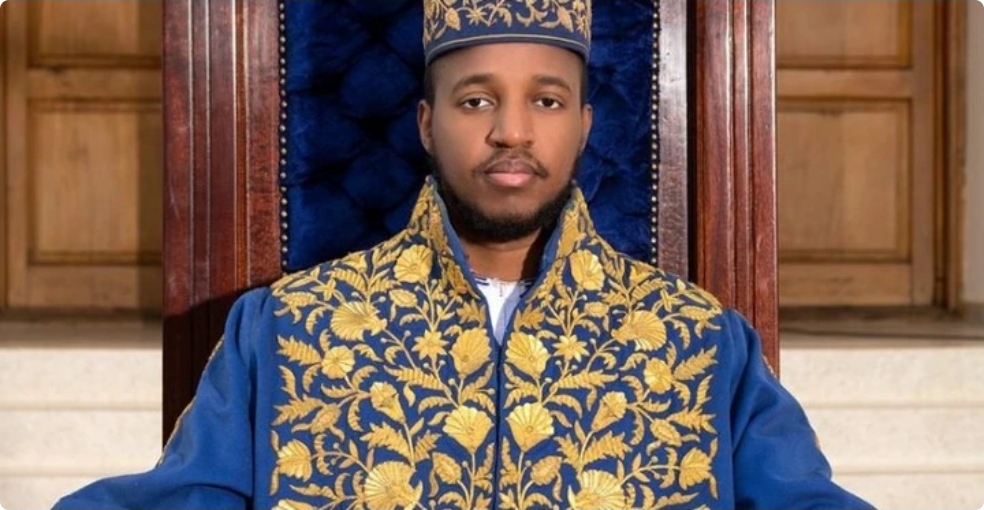 King Oyo’s Body to Arrive Thursday
Ultimate Uganda
King Oyo’s Body to Arrive Thursday
Ultimate Uganda
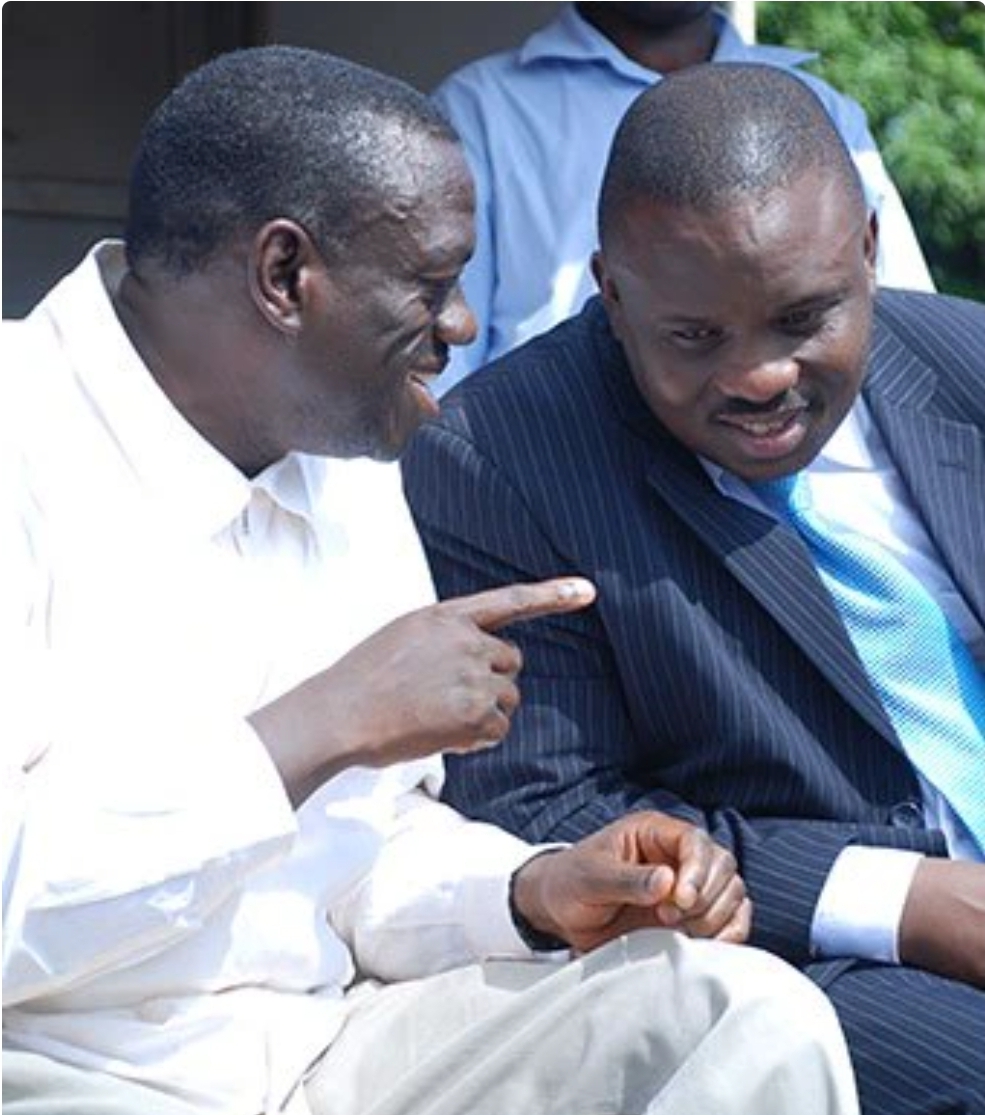 Besigye, Lukwago expected to meet Gen. Salim Saleh today at Kapeeke
Ultimate Uganda
Besigye, Lukwago expected to meet Gen. Salim Saleh today at Kapeeke
Ultimate Uganda
 Rwabwogo Advised to ‘Eat His Bishop’ As MK Prepares to Enter State H’se: PREZ MUSEVENI ON HIS WAY OUT
Ultimate Uganda
Rwabwogo Advised to ‘Eat His Bishop’ As MK Prepares to Enter State H’se: PREZ MUSEVENI ON HIS WAY OUT
Ultimate Uganda
0 Comments