
Kyagulanyi Unveils NUP Transition Blueprint Ahead of January 15, Polls
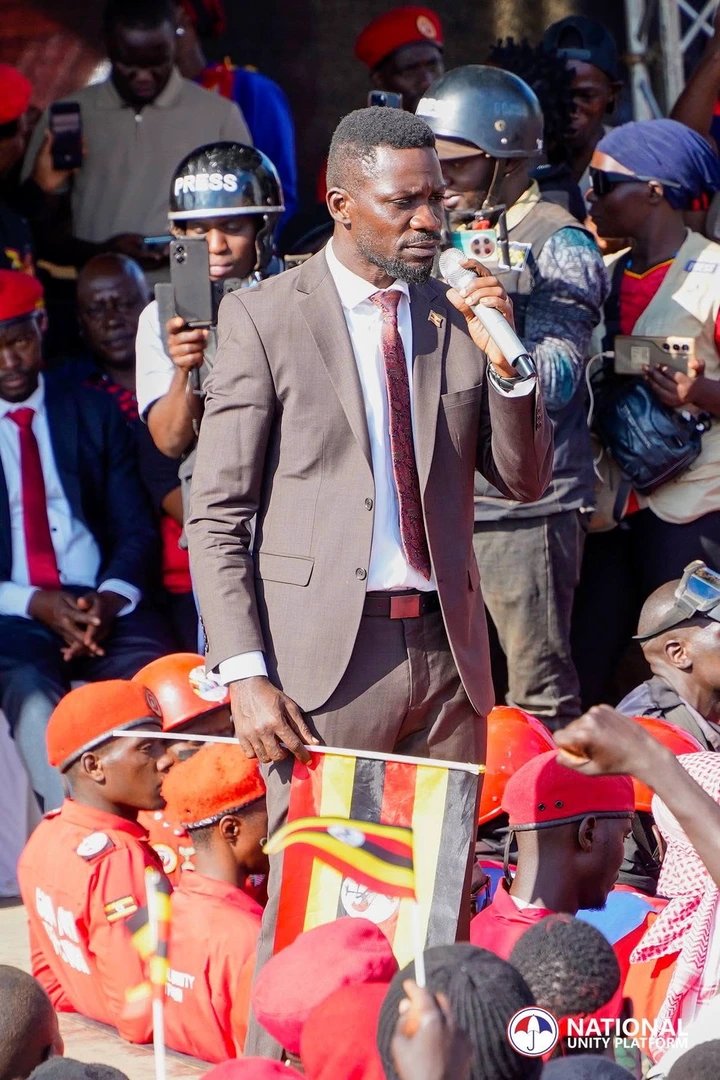

He alleged that NUP campaigns are frequently blocked, disrupted and violently suppressed by security agencies despite strong public support in many districts. He also accused the state of deploying a heavy security presence to disrupt opposition processions and create the impression that NUP lacks popular backing.
NUP president Robert Kyagulanyi (courtesy)
The president of the National Unity Platform (NUP), Robert Kyagulanyi, has revealed that the party has constituted a technical committee to develop a comprehensive transition blueprint for a new government ahead of the January 15 polls.
Kyagulanyi made the revelation on Thursday while delivering his New Year address at the NUP headquarters in Makerere, Kavule, saying the party is preparing for a peaceful transfer of power and orderly governance from the first day of transition.
He said NUP recognises the importance of ensuring that a new Uganda is managed decently, morally and efficiently from the onset of transition. As part of this effort, he explained that a transitional mechanism has already been activated, led by a technical team mandated to develop a detailed blueprint outlining the structure of a new government and other transitional arrangements.
According to Kyagulanyi, the technical team is reviewing state institutions, existing laws, the security sector, the civil service and service delivery systems, while also consulting ordinary citizens. He said the aim is to ensure that a new administration governs in an orderly and constitutional manner immediately after assuming office.
He added that following a presumed electoral victory, political leaders from the party would formally join the technical team to refine the transition roadmap, agree on key priorities and prepare personnel to receive instruments of authority by May 2026. Kyagulanyi assured supporters that citizen safety would be guaranteed throughout the transition period, regardless of political affiliation.
The NUP leader further pledged to form a broad-based, merit-driven government that reflects Uganda’s diversity. He said competent Ugandans from all regions, tribes, genders and backgrounds would be invited to serve in the new administration.
Kyagulanyi encouraged citizens to reject what he described as the false belief that change is impossible in Uganda, insisting that history shows oppressive systems often appear unshakable until they collapse. At the start of his address, Kyagulanyi condemned what he termed continued arrests, abductions and the selective application of the law against opposition leaders and supporters.
He cited the arrest and denial of bail to veteran opposition figure Kizza Besigye, the detention of activist Sarah Bireete, and the disappearance of Sam Mugumya, whose whereabouts he said remain unknown.
Kyagulanyi warned that no individual has the authority to override the Constitution and accused state institutions of systematically undermining the rule of law. He also questioned the independence of the Electoral Commission (EC), claiming its leadership had openly challenged NUP’s “protest vote†slogan and demonstrated bias against the opposition.
The NUP leader alleged that some party candidates were denied nomination, while others were coerced or bribed with sums of up to 5 million Shillings to withdraw from electoral races. He said such actions only expose those responsible and added that once the rule of law is restored, by-elections would be held where necessary.
Turning to election preparedness, Kyagulanyi warned supporters to prepare for every possible scenario, including a potential internet shutdown during polling. He urged Ugandans to download the BitChat application, which he said allows communication via Bluetooth without internet or mobile networks, enabling voters to share results declaration forms and protect the vote.
Kyagulanyi emphasised that the January elections would amount to a protest vote in its purest form, calling on millions of Ugandans to turn out and defeat President Yoweri Museveni at the ballot box.
He argued that political change through elections has precedent, pointing to the removal of Ferdinand Marcos in the Philippines in 1986 and Yahya Jammeh in Gambia in 2016, and suggested that a similar outcome was possible in Uganda in 2026.
Kyagulanyi maintained that change would come through peaceful elections rather than violence, but warned that past elections in Uganda have been marred by ballot stuffing, multiple counting, voter intimidation and alteration of results declaration forms. He urged voters to arrive early, remain at polling stations after voting, observe the process and document events using cameras, even in the event of restricted internet access.
Kyagulanyi’s remarks come days after President Museveni, in his own New Year address, sharply criticised sections of the opposition, particularly Kyagulanyi, accusing them of promoting indiscipline, chaos and acting on behalf of what he described as parasitic foreign interests.
Museveni claimed that security agencies had arrested individuals following Kyagulanyi in Mbarara who allegedly confessed to participating in an operation involving hundreds of vehicles used to transport mobile crowds to exaggerate political support.
The President further accused opposition-linked groups of looting, intimidation and attacks, warning that such actions would not be tolerated and that the state would firmly deal with any attempts to destabilise the country.
In response, Kyagulanyi dismissed the accusations, saying the President was projecting practices that the ruling party itself routinely carries out, including ferrying crowds and school children to political events.
He alleged that NUP campaigns are frequently blocked, disrupted and violently suppressed by security agencies despite strong public support in many districts. He also accused the state of deploying a heavy security presence to disrupt opposition processions and create the impression that NUP lacks popular backing.
Addressing allegations of gangs and violence, Kyagulanyi said that senior security officers had overseen the formation of groups recruited from prisons and the streets to brutalise citizens and steal property.
He warned that once the rule of law is restored, officers implicated in abuses would be held accountable. He concluded by stating that intimidation would not deter Ugandans, adding that citizens have a constitutional right to defend themselves and their property against unlawful attacks.


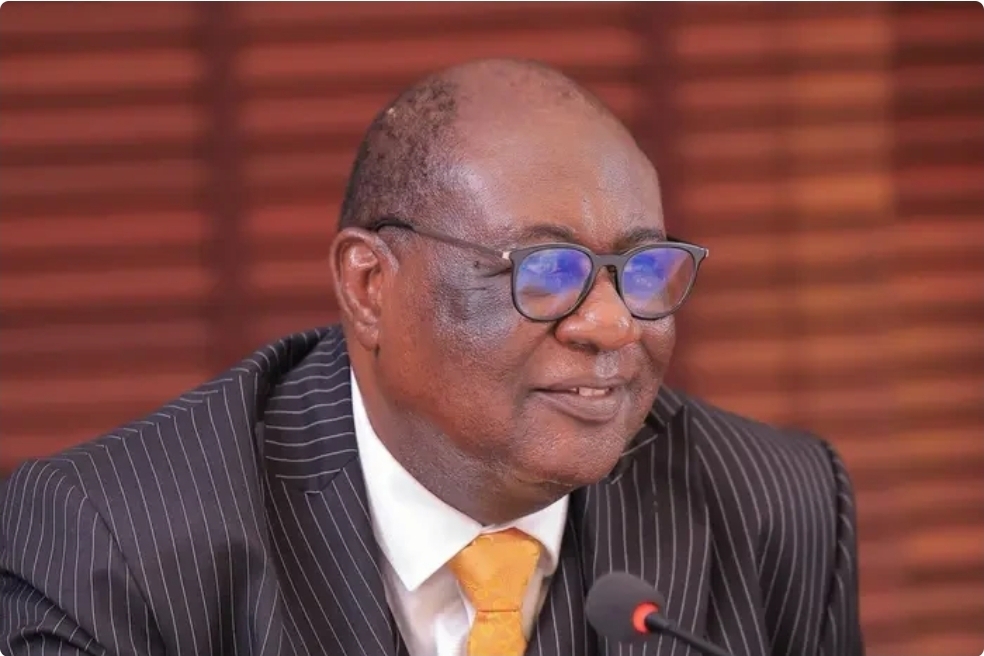 Government will not gazette Kijanangoma as King of Tooro for now - Attorney General insists
Ultimate Uganda
Government will not gazette Kijanangoma as King of Tooro for now - Attorney General insists
Ultimate Uganda
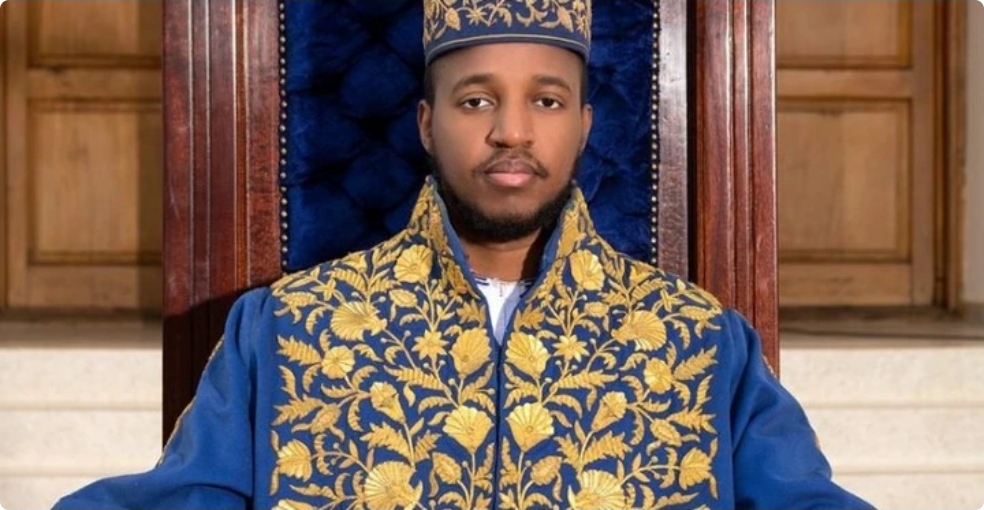 King Oyo’s Body to Arrive Thursday
Ultimate Uganda
King Oyo’s Body to Arrive Thursday
Ultimate Uganda
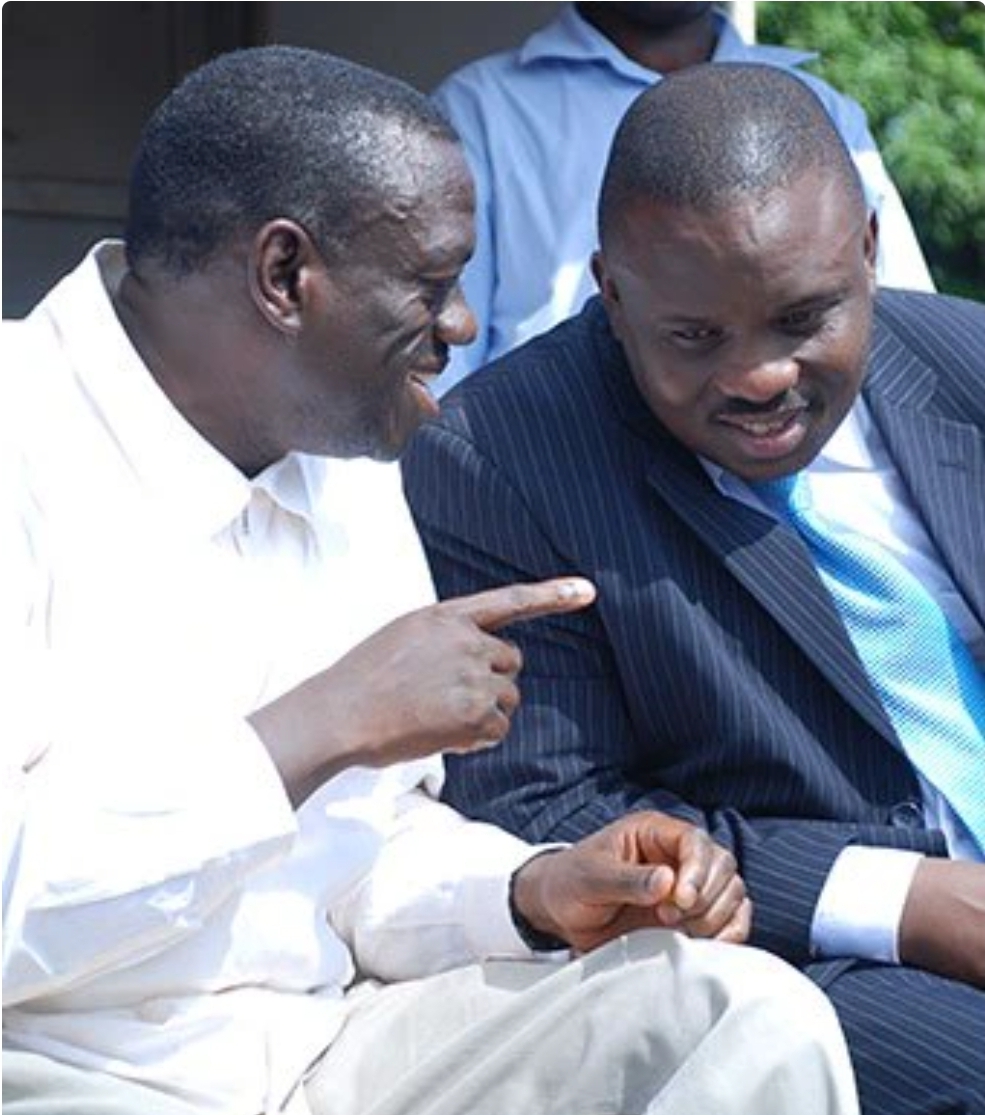 Besigye, Lukwago expected to meet Gen. Salim Saleh today at Kapeeke
Ultimate Uganda
Besigye, Lukwago expected to meet Gen. Salim Saleh today at Kapeeke
Ultimate Uganda
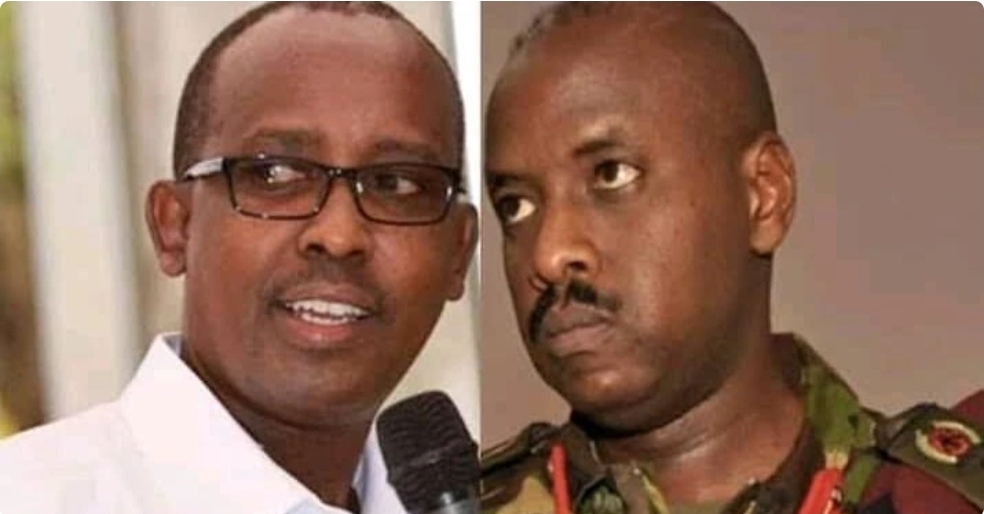 Rwabwogo Advised to ‘Eat His Bishop’ As MK Prepares to Enter State H’se: PREZ MUSEVENI ON HIS WAY OUT
Ultimate Uganda
Rwabwogo Advised to ‘Eat His Bishop’ As MK Prepares to Enter State H’se: PREZ MUSEVENI ON HIS WAY OUT
Ultimate Uganda
0 Comments