
Dr. Ayub Mukisa: Are Kyagulanyi’s Supporters Living in Falsehoods About His Presidential Bid Against Museveni?
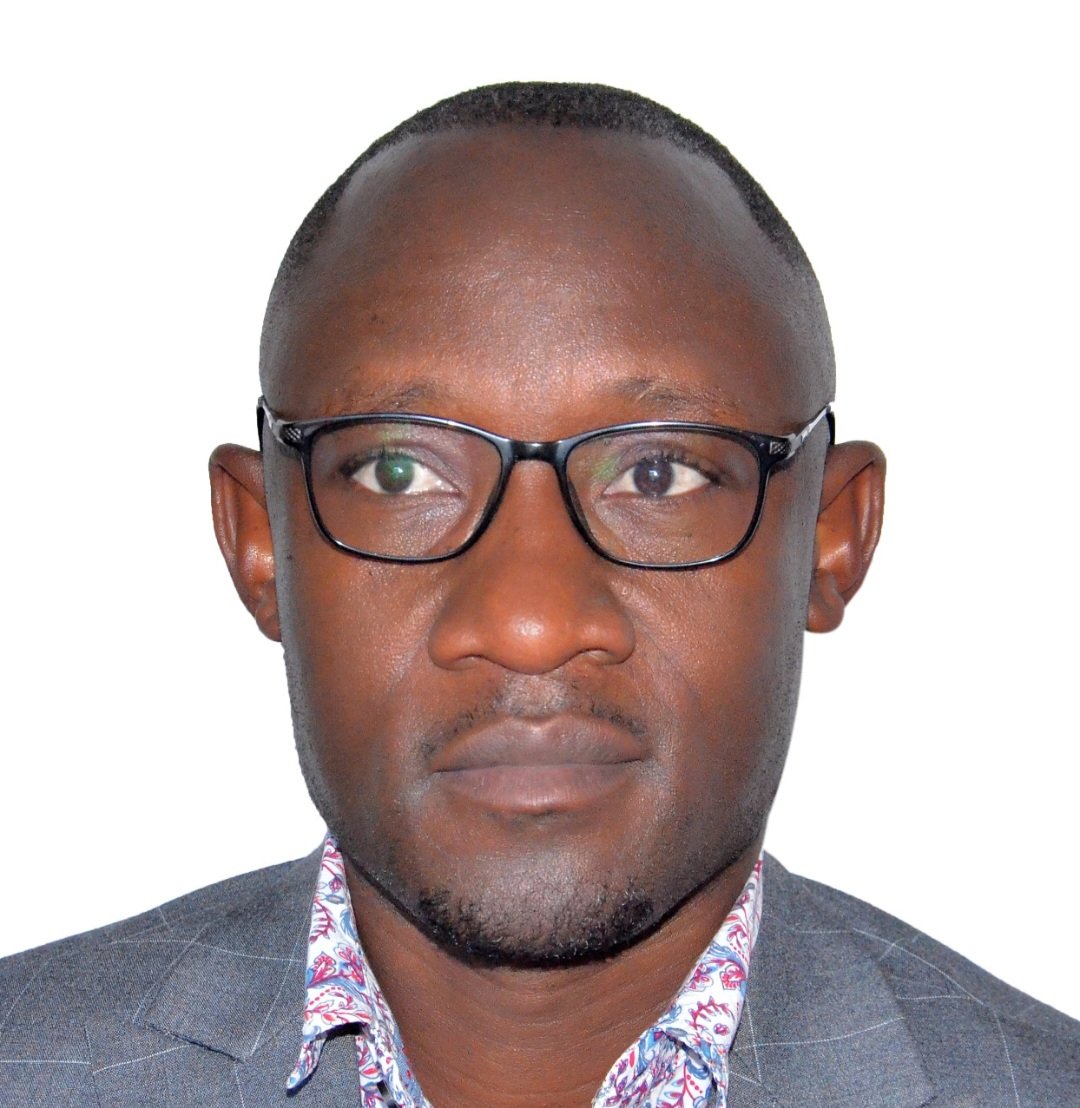

While Robert Kyagulanyi Sentamu (Bobi Wine) has shown the ability to mobilize and establish a strong connection with urban youth and other social groups, what Adam Branch and Zachary Mampilly (2015) describe as “political society,†a critical question remains unanswered: are Kyagulanyi’s supporters living under false beliefs about the realism and viability of his presidential bid against Yoweri Museveni?
This question is primarily prompted by Kyagulanyi’s own campaign rhetoric. During a rally in the Buganda region, he stated, “I know you are saying ‘Kyagulanyi, command us,’ but I will not command anyone. You have to liberate yourselves.†He reiterated this sentiment at another rally, saying, “Museveni’s propagandists keep claiming Bobi Wine promised to liberate the ghetto youth, but I will not liberate anyone here.
You must liberate yourselves.†These statements serve as the basis for the argument presented in this article.
Interestingly, some of Kyagulanyi’s own supporters are beginning to recognize that falsehoods have become normalized within his political group. One disillusioned supporter remarked, “The reason I left the struggle is because of Kyagulanyi’s lies. Instead of encouraging the youth to work, he continues to deceive them by suggesting that the national flag is their title to Uganda.†Such sentiments point to a deeper problem: symbolism alone cannot dismantle a regime that has perfected survival through adaptability, coercion, and institutional control.
In this regard, I agree with Wiegratz, Martiniello, and Greco (2018), as cited by Luke Melchiorre (2023), who argue that despite criticizing Museveni, Kyagulanyi’s group largely rehashes the same ideological framework instead of challenging it or replacing it with a genuinely alternative political model.
In an article published in The Weekly Observer on December 29, 2025, Obed K. Katureebe, citing Daily Monitor journalist Derrick Wandera, observed that Kyagulanyi increasingly relies on “ghetto political slogans†such as ‘Mukakuume’ and ‘Mukabanje’ (protect the vote and demand accountability). However, even the practicality of ‘Mukabanje’ under Museveni’s regime is now being questioned by Kyagulanyi’s supporters themselves. As one supporter put it, “Even Kyagulanyi is a voter. After voting, let him stay there and protect his own vote.â€
This growing uncertainty highlights the indecisiveness and falsehoods that characterize Kyagulanyi’s support base. As Lydia Nakyeyune (2024) notes, politics fundamentally involves social psychology, and those who play their cards correctly maintain control. Museveni understands this well, which is precisely why Kyagulanyi’s supporters risk being trapped in false hopes about presidential power.


 Government will not gazette Kijanangoma as King of Tooro for now - Attorney General insists
Ultimate Uganda
Government will not gazette Kijanangoma as King of Tooro for now - Attorney General insists
Ultimate Uganda
 King Oyo’s Body to Arrive Thursday
Ultimate Uganda
King Oyo’s Body to Arrive Thursday
Ultimate Uganda
 Besigye, Lukwago expected to meet Gen. Salim Saleh today at Kapeeke
Ultimate Uganda
Besigye, Lukwago expected to meet Gen. Salim Saleh today at Kapeeke
Ultimate Uganda
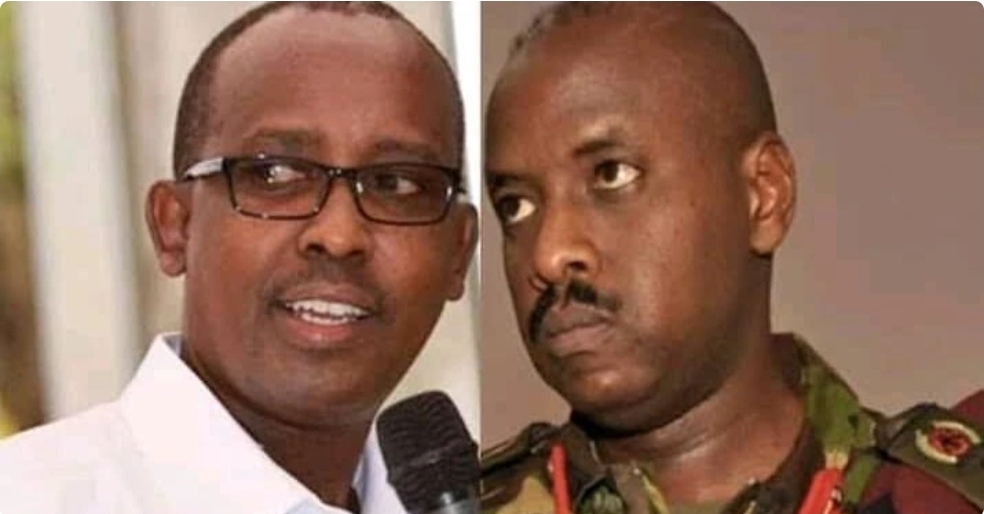 Rwabwogo Advised to ‘Eat His Bishop’ As MK Prepares to Enter State H’se: PREZ MUSEVENI ON HIS WAY OUT
Ultimate Uganda
Rwabwogo Advised to ‘Eat His Bishop’ As MK Prepares to Enter State H’se: PREZ MUSEVENI ON HIS WAY OUT
Ultimate Uganda
0 Comments