
The Quiet Collapse of Electoral Competition
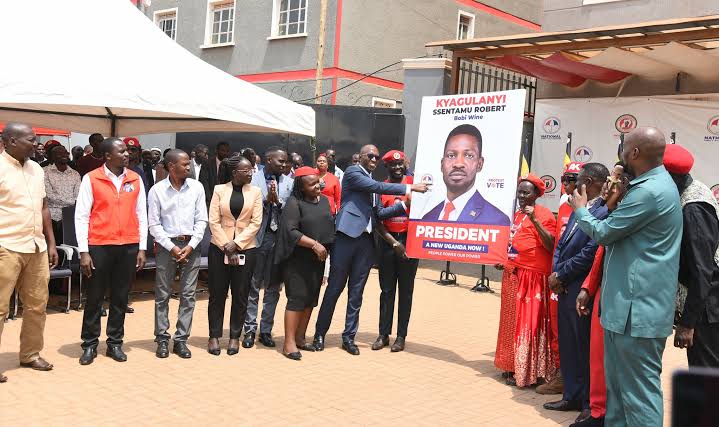

As Uganda heads into the January 15, 2026 general elections, a worrying trend has taken shape across the political landscape: a growing number of opposition and independent candidates are withdrawing from races at both parliamentary and local government levels. While the spotlight has largely been on the National Unity Platform (NUP), recent developments show that the phenomenon cuts across party lines and governance tiers, raising profound concerns about the quality of democratic competition in the country.
Several NUP parliamentary candidates have stepped down or defected to the ruling National Resistance Movement (NRM), citing a mix of inadequate party support, financial constraints, and a hostile political environment. In western Uganda, Peter Mpaka, the NUP candidate for Mbarara City North, withdrew from the race, arguing that it had become impossible to compete meaningfully without logistical backing from his party.
Similarly, Patricia Kenyangi, the NUP Woman MP aspirant for Ibanda District, quit the contest and joined the NRM, openly blaming unmet promises of facilitation. Elsewhere, a NUP aspirant in Sembabule District abandoned the race altogether, citing a lack of democratic space and intimidation of supporters.
While these exits have fed a narrative of internal weakness within NUP, focusing solely on one party risks missing the bigger picture. Withdrawals and forced exits are also evident among independents and other opposition actors, especially at the grassroots level, where democratic participation is meant to be most vibrant. In Kabale District, at least 15 independent candidates contesting positions ranging from LC5 to LCIII and parish-level councils withdrew from the 2026 race following a so-called “reconciliation†process dominated by the ruling party.
Candidates such as Justus Niwaha and Innocent Byomuhangi, who were vying for LCIII seats, publicly stepped aside and pledged support to NRM-aligned leadership. While framed as voluntary unity, such withdrawals effectively narrow the political field and deny voters alternative voices at the local level.
Even more troubling is the emergence of uncontested races in urban local governments. In Makindye Division, all rival candidates for the mayoral seat were either disqualified or dropped from the ballot, leaving the NRM candidate unopposed. In a competitive democracy, mayoral elections — particularly in Kampala — should be hotly contested arenas of ideas and accountability. Instead, voters are being reduced to spectators in processes that offer no real choice.
The cumulative effect of these developments is a steady hollowing out of electoral competition. Democracy is not merely about holding elections on schedule; it is about ensuring genuine choice, credible alternatives, and the freedom to contest without undue pressure. When opposition and independent candidates withdraw en masse — whether due to internal party failures, financial hardship, administrative hurdles, or political coercion — elections risk becoming symbolic exercises rather than meaningful democratic contests.
Moreover, the retreat of opposition actors at both parliamentary and local council levels strengthens the dominance of the ruling party, weakening legislative oversight and local accountability. Grassroots councils such as LCIII and LCII are critical to everyday governance, service delivery, and citizen participation. Their capture through uncontested or skewed elections has long-term implications for democratic culture.
In the final analysis, the withdrawals witnessed ahead of the 2026 polls are not just a NUP problem, nor merely a question of individual political choices. They reflect structural imbalances in Uganda’s political system — where opposition participation is increasingly costly, risky, and unsustainable. If this trend continues unchecked, the January 15 elections may deliver winners, but they will struggle to deliver the democratic legitimacy that comes from robust, competitive, and inclusive participation.


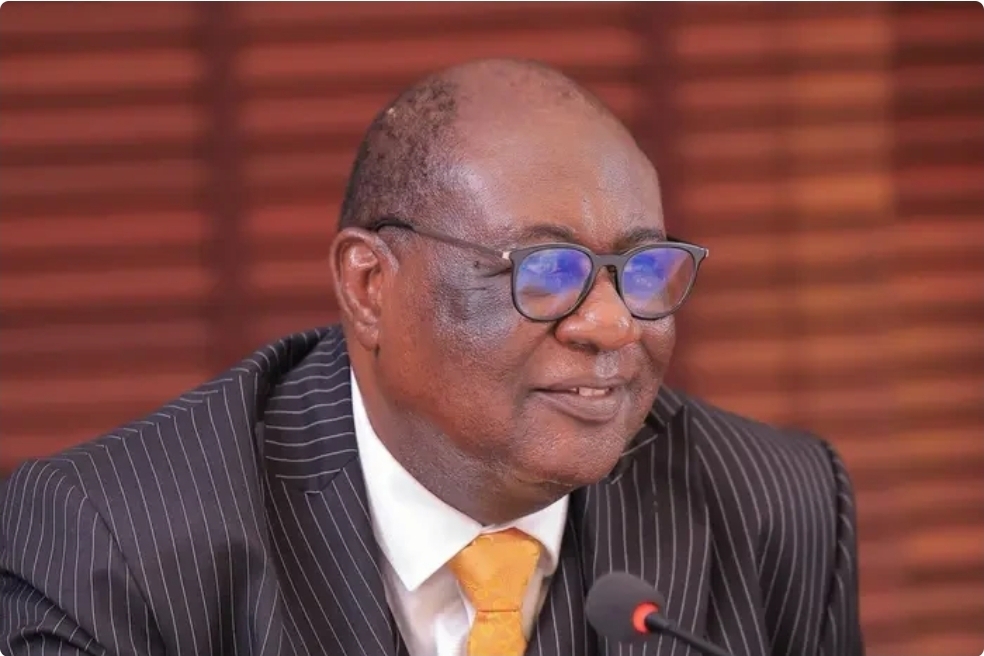 Government will not gazette Kijanangoma as King of Tooro for now - Attorney General insists
Ultimate Uganda
Government will not gazette Kijanangoma as King of Tooro for now - Attorney General insists
Ultimate Uganda
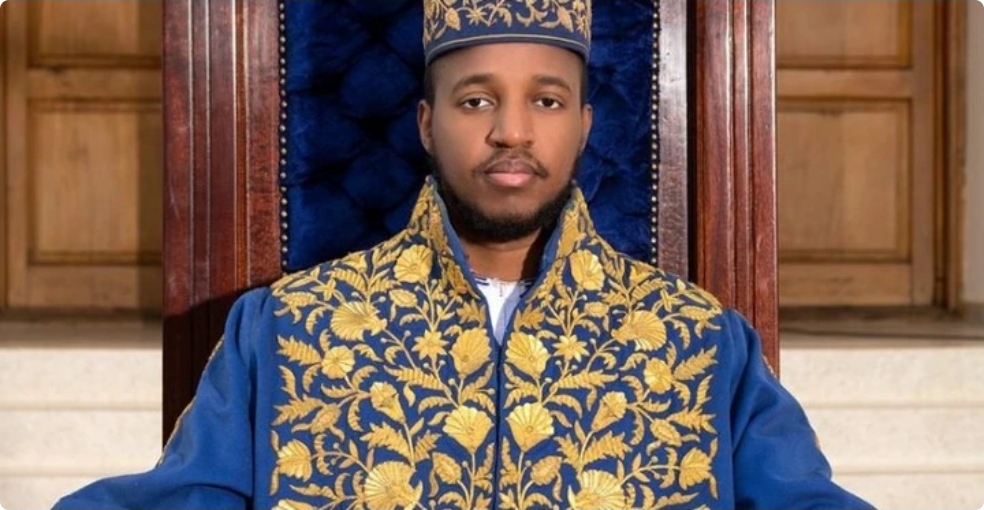 King Oyo’s Body to Arrive Thursday
Ultimate Uganda
King Oyo’s Body to Arrive Thursday
Ultimate Uganda
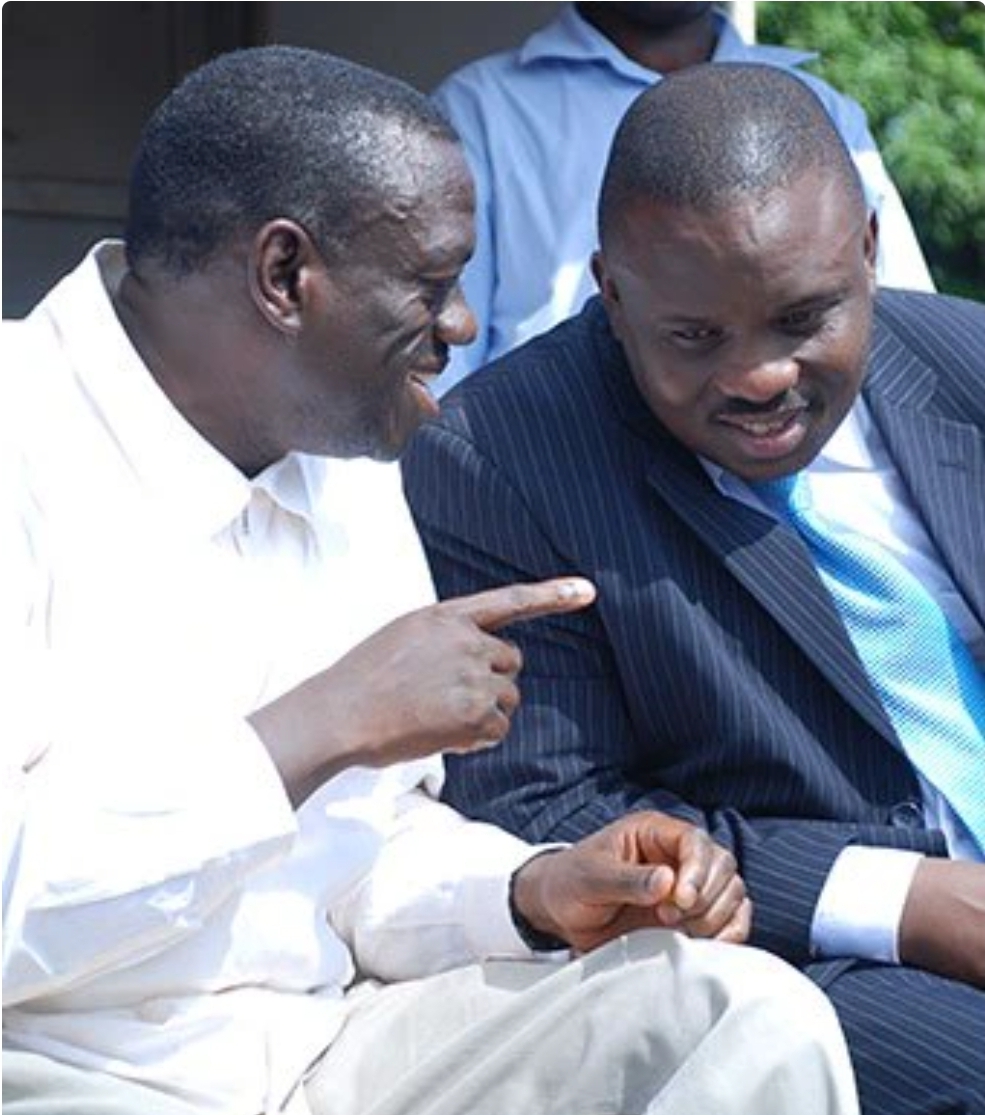 Besigye, Lukwago expected to meet Gen. Salim Saleh today at Kapeeke
Ultimate Uganda
Besigye, Lukwago expected to meet Gen. Salim Saleh today at Kapeeke
Ultimate Uganda
 Rwabwogo Advised to ‘Eat His Bishop’ As MK Prepares to Enter State H’se: PREZ MUSEVENI ON HIS WAY OUT
Ultimate Uganda
Rwabwogo Advised to ‘Eat His Bishop’ As MK Prepares to Enter State H’se: PREZ MUSEVENI ON HIS WAY OUT
Ultimate Uganda
0 Comments