
‎Incumbents Fall as NRM Regains Ground Across Key Regions

‎Results from the recently concluded general elections in Greater Masaka, Mbale, and Kigezi regions point to a broad political realignment marked by the rejection of incumbents, the return of the ruling National Resistance Movement (NRM) in traditionally competitive areas, and a mixed performance by opposition parties, particularly the National Unity Platform (NUP).
‎‎Incumbency No Longer a Safe Advantage
‎Across all three regions, incumbency proved a weak shield against voter discontent. In Greater Masaka, at least 18 sitting MPs lost their seats, leaving only nine incumbents returning to Parliament. In Mbale District, three incumbent constituency MPs were voted out, while in Kigezi, the number of incumbent MPs who lost seats rose to nine.
‎‎This trend suggests a growing voter appetite for change, driven by dissatisfaction with individual performance rather than party loyalty alone. High-profile casualties, including cabinet ministers, parliamentary commissioners, and party leaders, underline the depth of the shake-up.
‎‎NRM Recovery and Strategic Gains
‎The elections also marked a notable recovery for the NRM, especially in regions where opposition parties had made significant inroads in 2021. In Greater Masaka, the ruling party increased its parliamentary representation from seven seats in 2021 to 17 seats, significantly narrowing the opposition’s historical dominance.
‎‎In Kigezi, NRM reclaimed several strategic constituencies, including Rubabo County and multiple district Woman MP seats, unseating both opposition and independent incumbents. In Mbale, the party secured victories in Bungokho South, Bungokho Central, and Bungokho North, signaling renewed organizational strength in eastern Uganda.
‎‎Opposition Fragmentation and Independent Factor
M‎While NUP. remains the dominant opposition force nationally, its performance across the three regions shows declining cohesion at the local level. In Greater Masaka, NUP lost three parliamentary seats compared to 2021, while in Mbale and Kigezi, the party struggled to consolidate support in multi-candidate races.
‎
‎The rise of independent candidates, many of them former NRM or opposition primary losers, further complicated opposition chances. In several constituencies, independents split the vote, indirectly benefiting NRM candidates. In some cases, strong independents finished second, ahead of official opposition candidates.
‎
‎Party Switching and Voter Punishment
‎
‎Another emerging pattern is voter punishment of political defections. MPs who crossed from opposition parties to the NRM, or vice versa, were among the most prominent losers, particularly in Greater Masaka and Lwengo. This suggests that voters are increasingly skeptical of ideological inconsistency and opportunistic party switching.
‎‎Implications Going Forward
‎The combined outcomes from Masaka, Mbale, and Kigezi point to a more fluid and competitive political landscape heading into the next parliamentary term. The erosion of incumbency advantage, combined with NRM’s regional recovery and opposition fragmentation, could reshape legislative dynamics and coalition-building inside Parliament.
‎Whether the opposition regroups around stronger internal cohesion or the ruling party consolidates its regained territory will likely define Uganda’s political trajectory in the coming years.


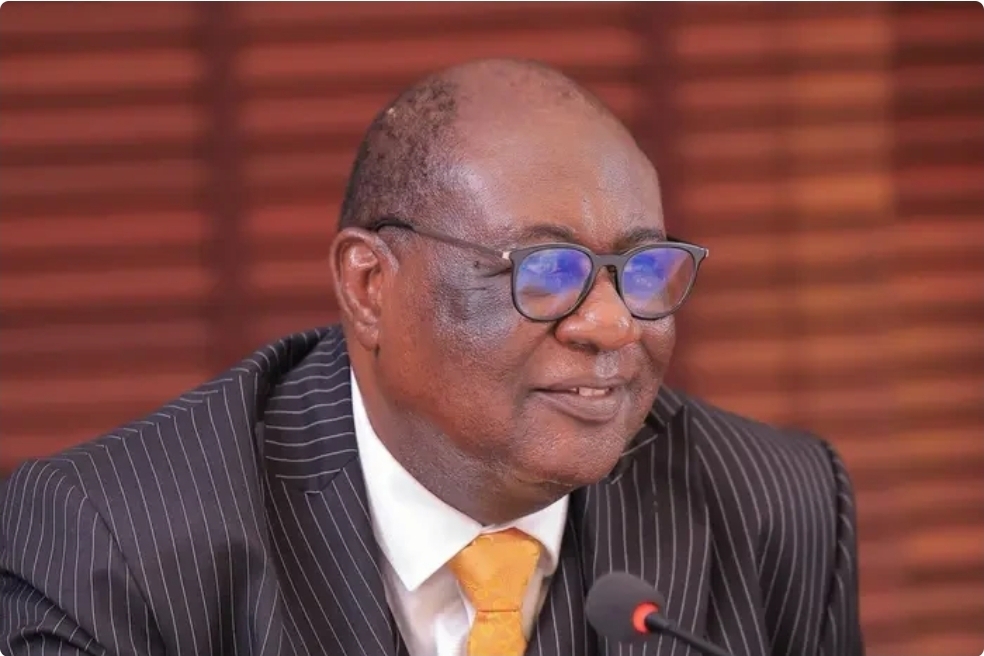 Government will not gazette Kijanangoma as King of Tooro for now - Attorney General insists
Ultimate Uganda
Government will not gazette Kijanangoma as King of Tooro for now - Attorney General insists
Ultimate Uganda
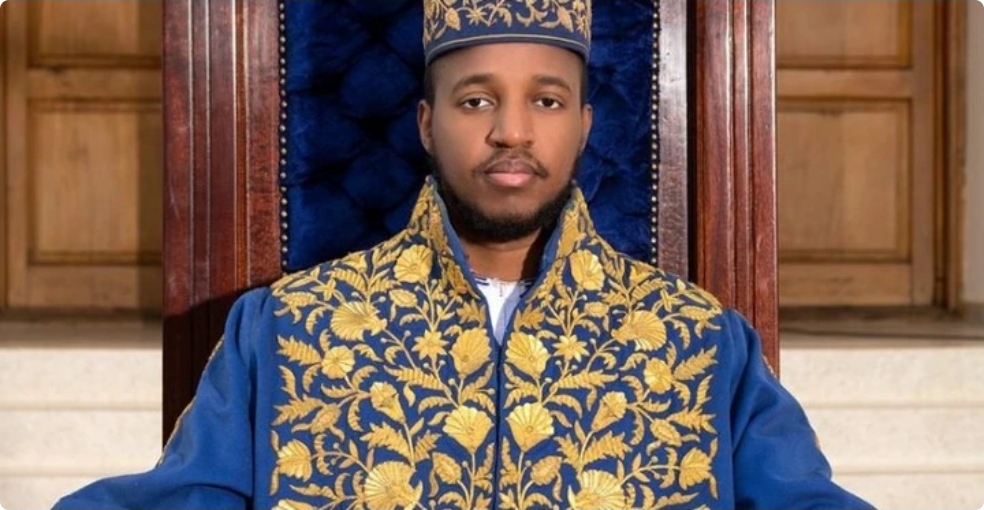 King Oyo’s Body to Arrive Thursday
Ultimate Uganda
King Oyo’s Body to Arrive Thursday
Ultimate Uganda
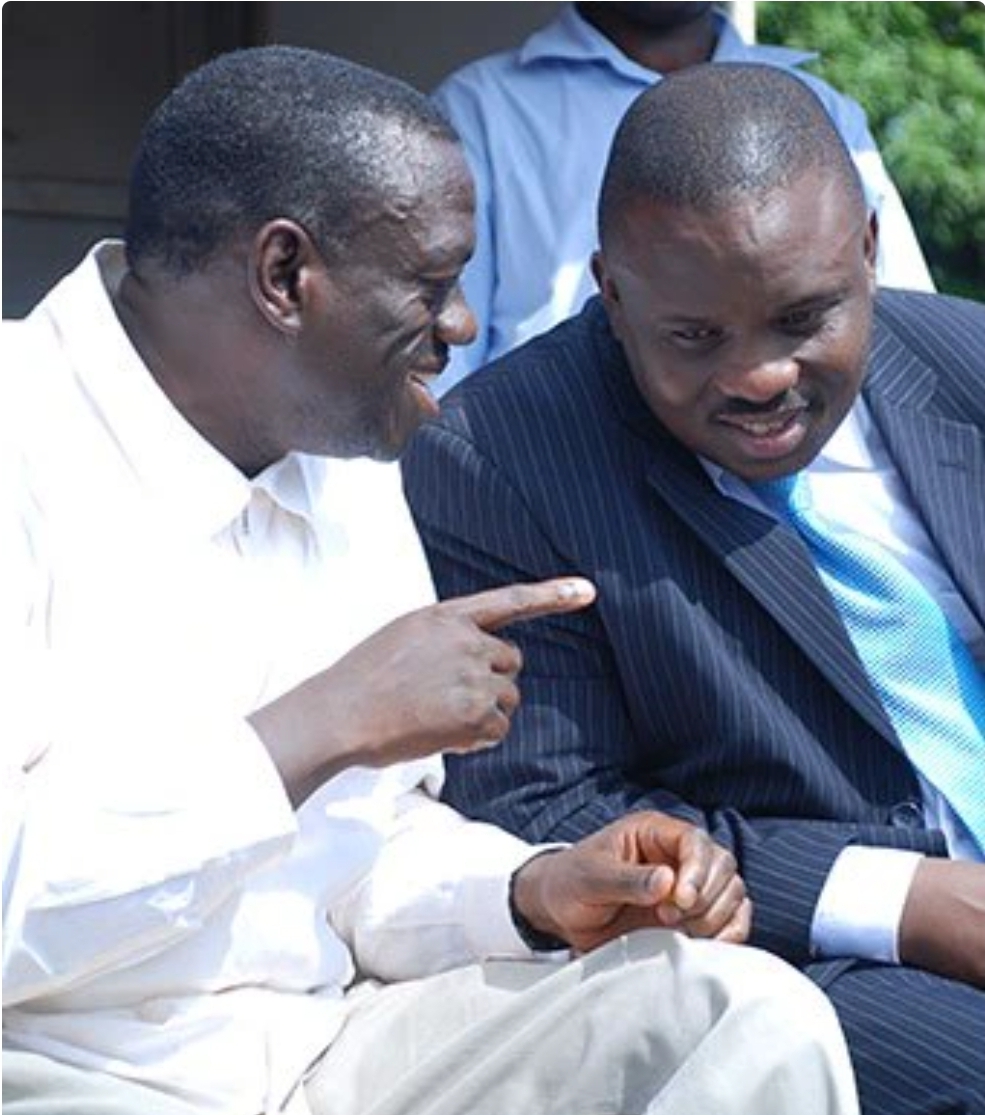 Besigye, Lukwago expected to meet Gen. Salim Saleh today at Kapeeke
Ultimate Uganda
Besigye, Lukwago expected to meet Gen. Salim Saleh today at Kapeeke
Ultimate Uganda
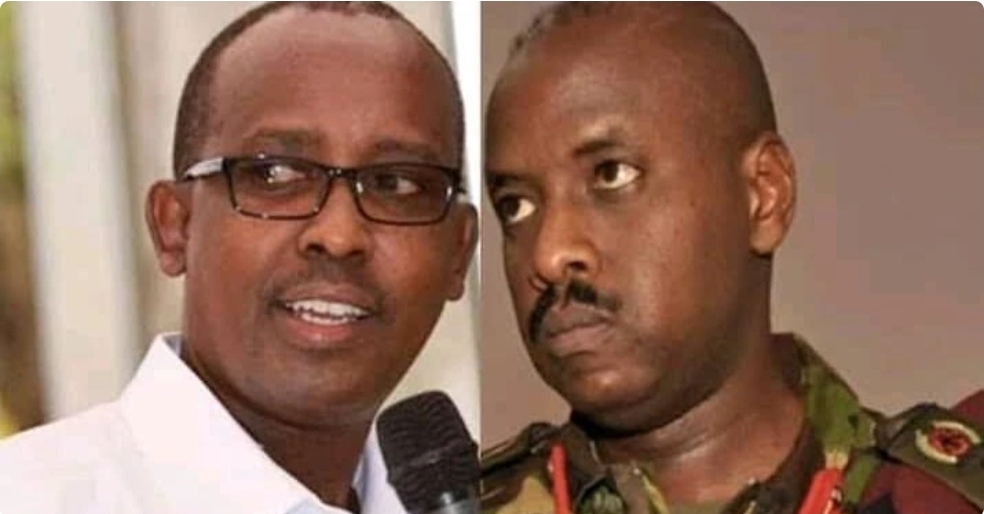 Rwabwogo Advised to ‘Eat His Bishop’ As MK Prepares to Enter State H’se: PREZ MUSEVENI ON HIS WAY OUT
Ultimate Uganda
Rwabwogo Advised to ‘Eat His Bishop’ As MK Prepares to Enter State H’se: PREZ MUSEVENI ON HIS WAY OUT
Ultimate Uganda
0 Comments