
Inter-Religious Council verifies blockade at Bobi Wine’s residence
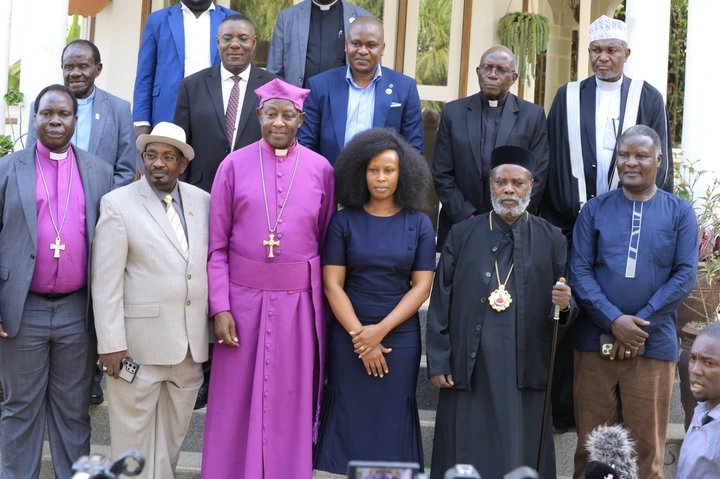

Senior religious leaders from the Inter-Religious Council of Uganda visited the home of Robert Kyagulanyi, also known as Bobi Wine, to investigate reports of a military siege. Following his escape into hiding, the clerics met with Barbie Itungo to verify claims of house arrest and surveillance.
MAGERE, Uganda — Senior religious leaders visited the home of opposition leader Robert Kyagulanyi on Tuesday to verify reports that the politician had fled into hiding while his residence remained under military siege.
The delegation from the Inter-Religious Council of Uganda encountered a heavy security presence at the Magere estate in Wakiso District. After security personnel briefly questioned the clerics and granted them entry, some officers were seen withdrawing from the perimeter.
Archbishop Stephen Kaziimba of the Church of Uganda, who led the group, said the visit was part of a mandate to engage political actors following the tension of last Thursday’s presidential election. Kyagulanyi, the National Unity Platform candidate known as Bobi Wine, has rejected the official results and called on supporters to protest the outcome.
Kyagulanyi’s wife, Barbie Itungo, told the religious leaders that the family has been under de facto house arrest. She said security forces have blocked visitors, including her mother and members of the media, from entering the home.
He escaped to save his life, Itungo said, adding that her husband fled Saturday. She said she remained behind but described an environment of constant surveillance, including drones operating at night and threatening messages from military leadership.
Kaziimba said the council sought to independently verify the situation before taking a public stance. Pastor Joseph Sserwadda, a member of the delegation, called the allegations grave but urged caution until their investigation is complete. He added that the council plans to meet with the inspector general of police to seek clarity on postelection arrests.
The religious leaders also addressed recent remarks by President Yoweri Museveni, who suggested the government would engage clerics to help manage youths allegedly involved in partisan or terrorist activities. Sserwadda distanced the council from such a role, stating that criminal investigations are the responsibility of security agencies and that the council’s mandate is strictly spiritual.


 Government will not gazette Kijanangoma as King of Tooro for now - Attorney General insists
Ultimate Uganda
Government will not gazette Kijanangoma as King of Tooro for now - Attorney General insists
Ultimate Uganda
 King Oyo’s Body to Arrive Thursday
Ultimate Uganda
King Oyo’s Body to Arrive Thursday
Ultimate Uganda
 Besigye, Lukwago expected to meet Gen. Salim Saleh today at Kapeeke
Ultimate Uganda
Besigye, Lukwago expected to meet Gen. Salim Saleh today at Kapeeke
Ultimate Uganda
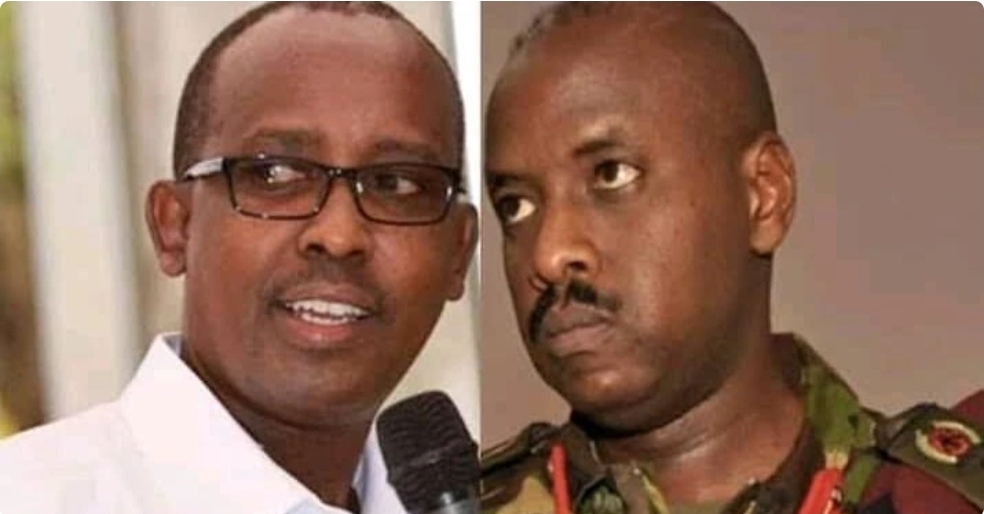 Rwabwogo Advised to ‘Eat His Bishop’ As MK Prepares to Enter State H’se: PREZ MUSEVENI ON HIS WAY OUT
Ultimate Uganda
Rwabwogo Advised to ‘Eat His Bishop’ As MK Prepares to Enter State H’se: PREZ MUSEVENI ON HIS WAY OUT
Ultimate Uganda
0 Comments