
Here’s why Ugandans still feel safe under President Museveni
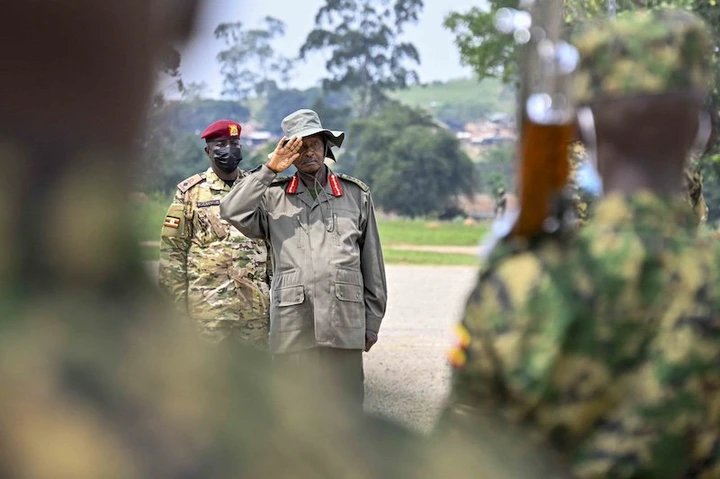

As Uganda reflects on another hard-fought election cycle, one question continues to animate political debate at home and abroad: how has President Museveni, after nearly four decades in power, continued to win the confidence of a critical mass of Ugandans?
Why, despite generational change, economic pressures and an increasingly noisy opposition, do many citizens still say they “feel safe†under his leadership?
The answer lies not in mystery or magic, but in a combination of history, strategy, statecraft and political discipline, lessons the opposition must soberly confront if it hopes to be competitive by 2031.
THE POLITICS OF SAFETY AND MEMORY
For many Ugandans, especially those over 35 years, politics is not an abstract contest of slogans; it is deeply informed by lived experience. The NRM came to power promising to end cycles of chaos, sectarianism and state collapse.
Over time, it embedded a powerful narrative: that stability is the foundation of all progress. Security, often taken for granted by critics, is the currency with which the Museveni administration has consistently connected to the ordinary Ugandan.
From the defeat of insurgencies to regional peacekeeping and border security, the NRM has projected the image of a government firmly in control of the coercive instruments of the state. In a region where instability is never far away, this matters.
Ugandans may disagree on policy, but many fear disorder more than delayed reform. This psychological contract, security first, everything else debated later, has been the bedrock of Museveni’s electoral resilience.
EXPERIENCE AS POLITICAL CAPITAL
President Museveni’s longevity has paradoxically become one of his strongest assets. In an era of global uncertainty, voters often prefer the “known hand†to the unknown experiment.
Museveni campaigns not merely as a candidate, but as an institution— someone who understands the state, the region and the international system. His messaging has remained remarkably consistent: ideology over populism, gradual reform over reckless disruption, and nationalism over protest politics.
While critics call this stagnation, supporters see it as prudence. The NRM has also mastered the art of structural politics, maintaining party cohesion, leveraging grassroots networks, and aligning state programs with political mobilization.
From parish-level structures to national development programs, the ruling party is visible where opposition politics is often episodic. There is no magical charm, only political discipline.
Museveni listens, adapts and absorbs opponents’ language when necessary. He speaks security to soldiers, enterprise to youth, ideology to cadres, and pragmatism to international partners. He rarely abandons the political centre.
Crucially, he does not outsource politics to rallies alone. Governance itself becomes a campaign: roads, electricity, schools, peacekeeping prestige and regional diplomacy are woven into a narrative of indispensability.
The opposition, by contrast, often campaigns against Museveni rather than for Uganda, a subtle but decisive difference.
LESSONS FROM THIS ELECTION
This election teaches a sobering lesson: power is retained not by noise, but by narrative. Museveni and the NRM continue to tell a story that many Ugandans, rightly or wrongly, find credible: that of a country best served by experienced stewardship in an unpredictable world.
Democracy is strengthened not by denying this reality, but by understanding it. For now, President Yoweri Museveni remains not merely a man in power, but a political idea, one rooted in stability, continuity and state authority.
Until the opposition presents a more compelling national vision, the NRM’s grip on Uganda’s political imagination is likely to endure. Uganda’s future will be decided not by who shouts loudest, but by who convinces the country that tomorrow will be safer than today.


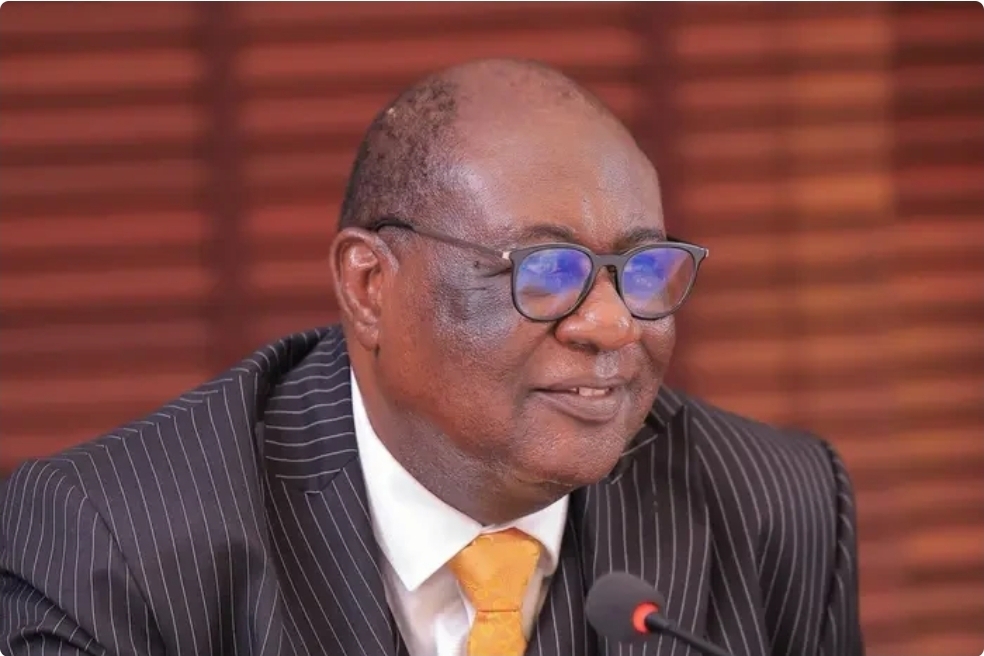 Government will not gazette Kijanangoma as King of Tooro for now - Attorney General insists
Ultimate Uganda
Government will not gazette Kijanangoma as King of Tooro for now - Attorney General insists
Ultimate Uganda
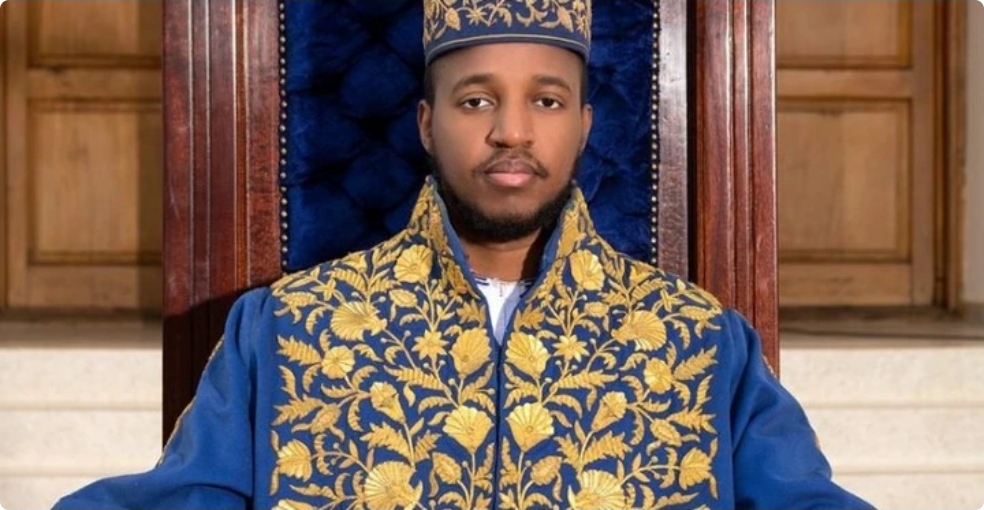 King Oyo’s Body to Arrive Thursday
Ultimate Uganda
King Oyo’s Body to Arrive Thursday
Ultimate Uganda
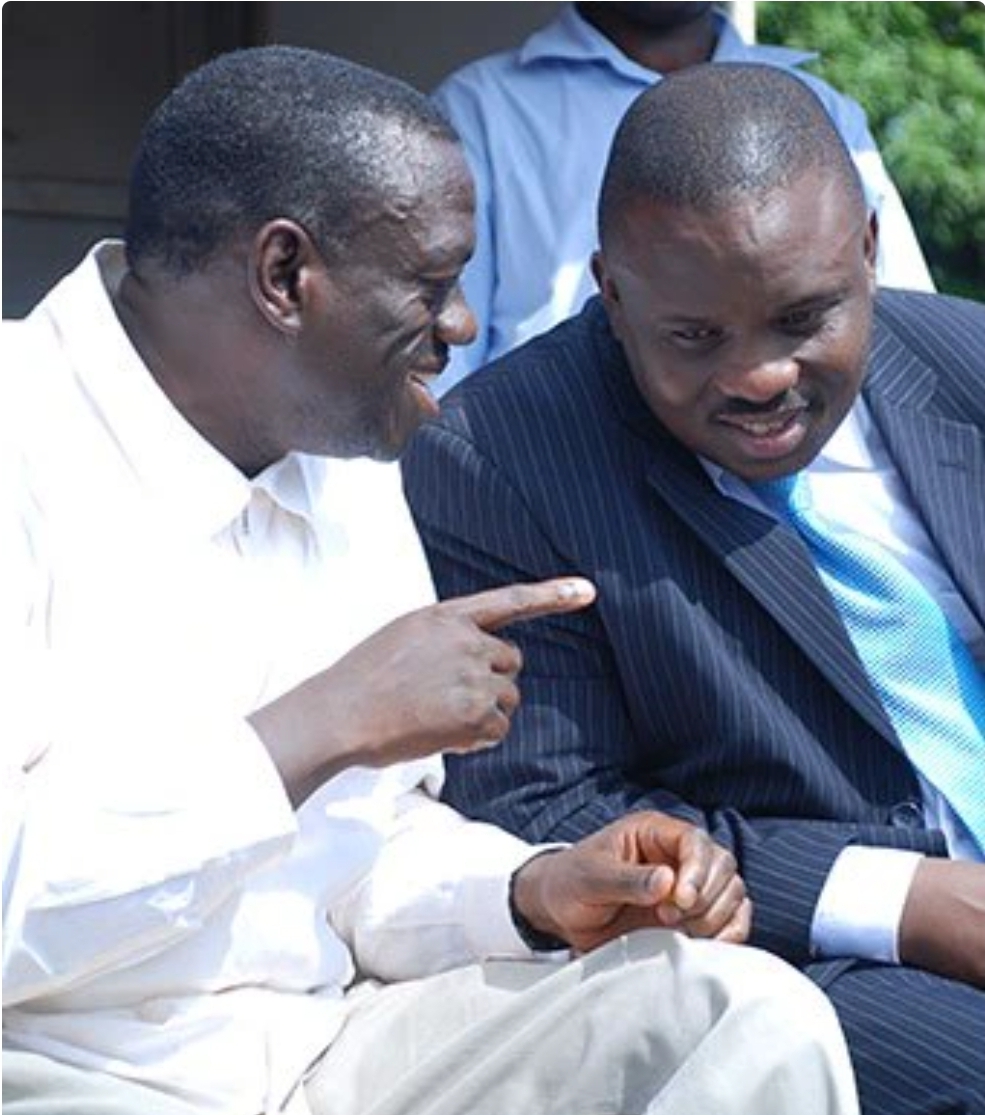 Besigye, Lukwago expected to meet Gen. Salim Saleh today at Kapeeke
Ultimate Uganda
Besigye, Lukwago expected to meet Gen. Salim Saleh today at Kapeeke
Ultimate Uganda
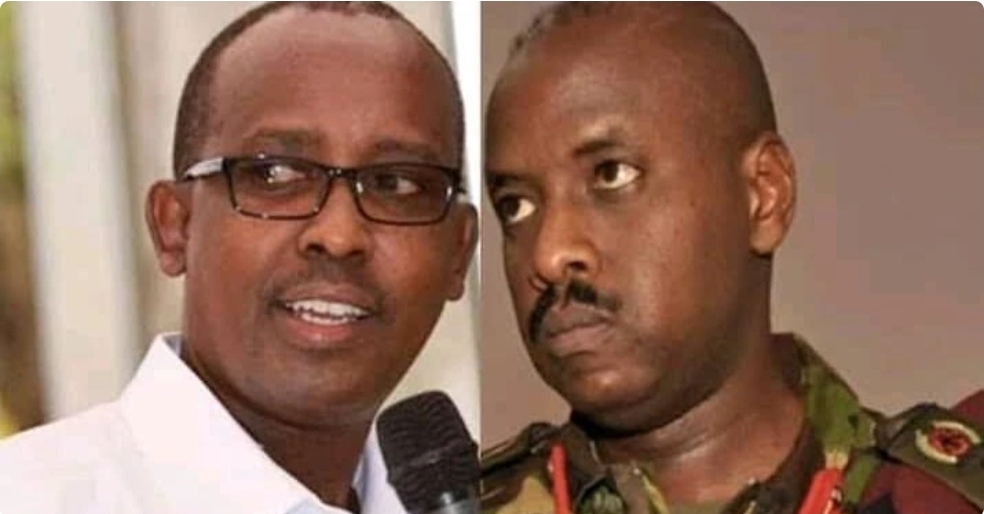 Rwabwogo Advised to ‘Eat His Bishop’ As MK Prepares to Enter State H’se: PREZ MUSEVENI ON HIS WAY OUT
Ultimate Uganda
Rwabwogo Advised to ‘Eat His Bishop’ As MK Prepares to Enter State H’se: PREZ MUSEVENI ON HIS WAY OUT
Ultimate Uganda
0 Comments