
Mao tests the limits of his pact with Museveni
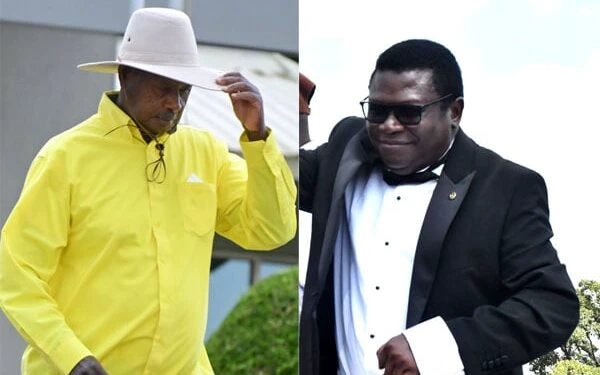

KAMPALA, Uganda — For two years, Norbert Mao has served as the intellectual bridge between Uganda’s entrenched establishment and its fractured opposition. Now, as the dust settles on the 2026 general election, the veteran politician is signaling a desire to lead the very institution he once critiqued from the outside.
Mr. Mao, the Minister of Justice and Constitutional Affairs, has all but confirmed his interest in the speakership of the 12th Parliament. His move follows a successful campaign for the Laroo-Pece Division seat in Gulu City, a victory that transformed him from an appointed cabinet member into an elected legislator with a fresh mandate.
In a news conference at the Democratic Party headquarters this week, Mr. Mao framed his potential candidacy as a response to a groundswell of public support. “I have never been afraid to declare interest in any position,†he said. “There is simply a lot of goodwill whenever my name is mentioned in relation to that office.â€
The bid is a daring test of the 2022 cooperation agreement between Mr. Mao’s Democratic Party and President Yoweri Museveni’s National Resistance Movement. That pact, which critics initially viewed as a surrender, has allowed Mr. Mao to navigate the inner circles of power while maintaining his identity as a “pragmatic nationalist.â€
To succeed, Mr. Mao must convince the NRM’s powerful Central Executive Committee to break with tradition. The party typically guarantees two five-year terms for its chosen speakers. Challenging the incumbent, Anita Among, would require Mr. Mao to leverage his role in flipping northern Uganda into a pro-government stronghold—a feat he frequently cites as evidence of his political utility.
“That contribution cannot be ignored when national leadership questions arise,†Mr. Mao said, noting that support for the president in his home region has surged under his watch.
Mr. Mao’s supporters see him as a cerebral successor to the late Speaker Jacob Oulanyah, whose tenure was marked by a focus on institutional discipline. Mr. Mao has leaned into this comparison, speaking of a “hunger in the country for a more accountable and institutionally strong Parliament.â€
Still, he was careful to maintain his broader ambitions. Despite eyeing the speaker’s gavel, he insisted he has not abandoned his long-held dream of the presidency. For now, however, he appears focused on the more immediate prize, positioning himself as a leader who belongs “to Parliament and not to any individual or party.â€


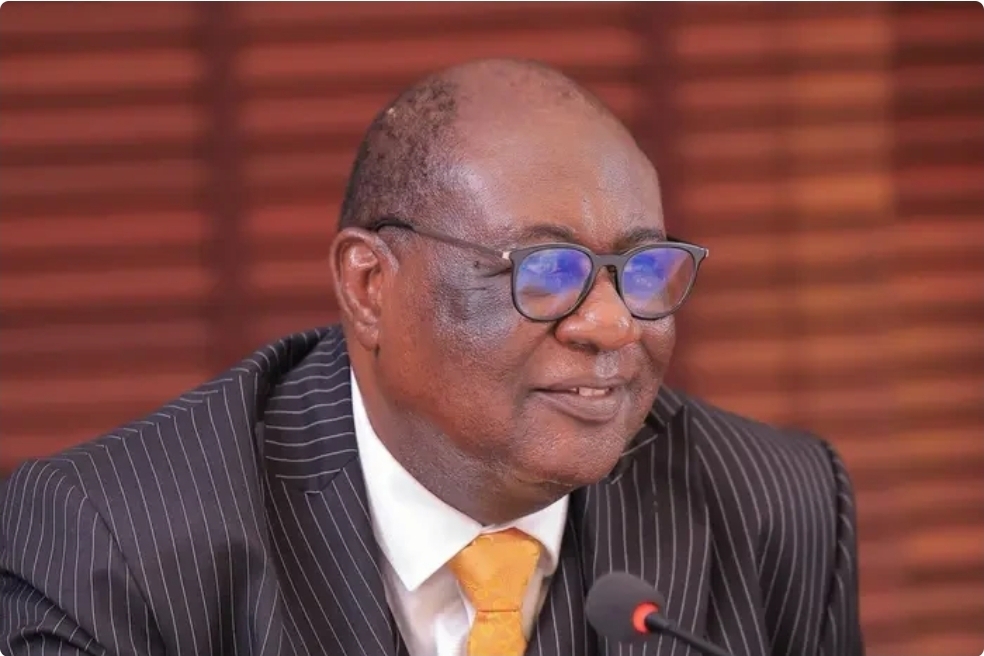 Government will not gazette Kijanangoma as King of Tooro for now - Attorney General insists
Ultimate Uganda
Government will not gazette Kijanangoma as King of Tooro for now - Attorney General insists
Ultimate Uganda
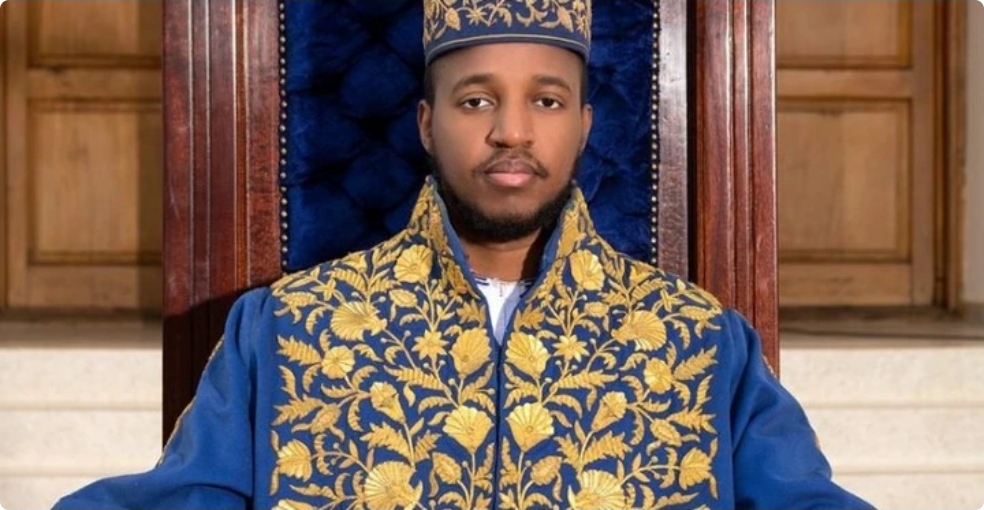 King Oyo’s Body to Arrive Thursday
Ultimate Uganda
King Oyo’s Body to Arrive Thursday
Ultimate Uganda
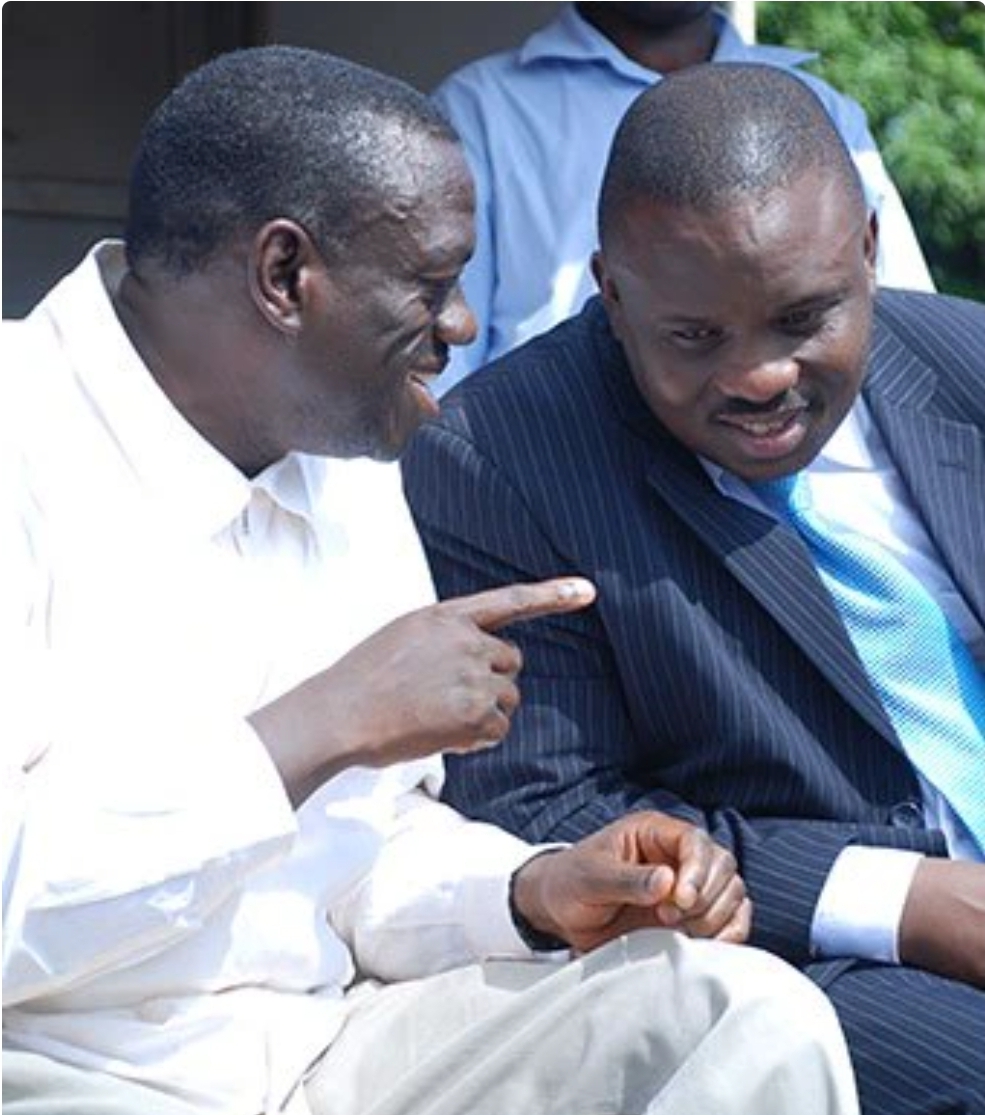 Besigye, Lukwago expected to meet Gen. Salim Saleh today at Kapeeke
Ultimate Uganda
Besigye, Lukwago expected to meet Gen. Salim Saleh today at Kapeeke
Ultimate Uganda
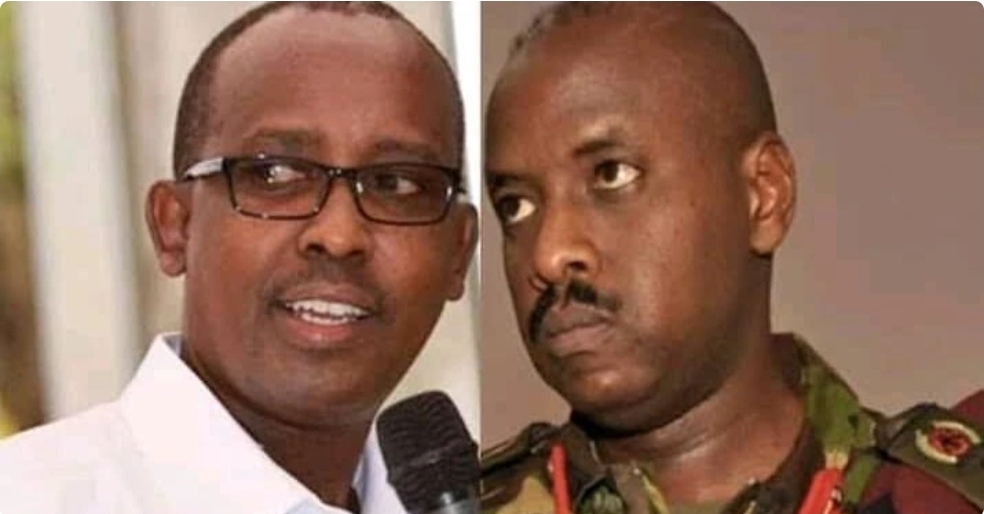 Rwabwogo Advised to ‘Eat His Bishop’ As MK Prepares to Enter State H’se: PREZ MUSEVENI ON HIS WAY OUT
Ultimate Uganda
Rwabwogo Advised to ‘Eat His Bishop’ As MK Prepares to Enter State H’se: PREZ MUSEVENI ON HIS WAY OUT
Ultimate Uganda
0 Comments