
Inside Uganda’s elections, where goons set the rules
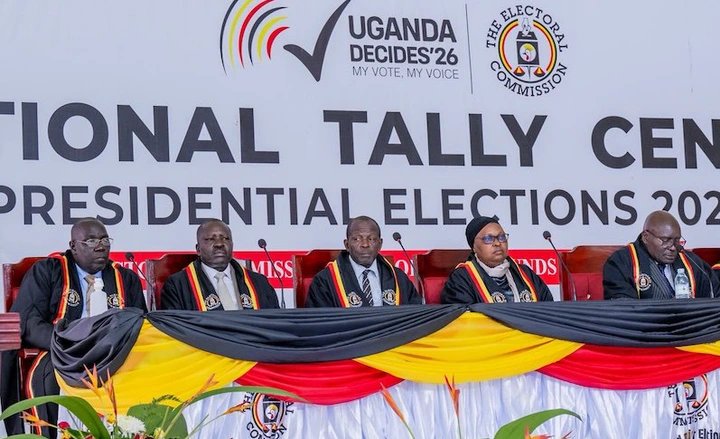

On December 7, 2025, Reuters carried a stark headline that rippled across Uganda’s political landscape: “Bobi Wine says Uganda security forces beat him.â€
The wire story reported that Uganda’s leading opposition figure, Robert Kyagulanyi, popularly known as Bobi Wine, said he was beaten alongside his aides and supporters by security forces while campaigning in northern Uganda, marking what Reuters described as an escalation of violence ahead of the January 15 presidential election. In the same article, Kyagulanyi told Reuters that his attackers were “criminals in police and military uniform†who descended on him, his aides, and supporters, armed with sticks and stones.
The military’s response was notable, not for a denial, but for a counter- accusation. The army spokesperson, Brigadier Chris Magezi, did not dispute that an incident had occurred.
Instead, he accused Bobi Wine and his supporters of holding an illegal procession and campaigning outside the prescribed time. Local media later reported that more than 43 individuals described as “goons†were rounded up after being captured on CCTV footage.
They were subsequently arraigned before courts in Gulu, with some remanded. Days later, the UN High Commissioner for Human Rights, Volker Türk, weighed in. In a statement, he decried what he called an “intensifying crackdown†on Uganda’s opposition, noting that at least 550 supporters of Bobi Wine’s party, the National Unity Platform (NUP), had been arrested at that point.
A review of local media reports and radio broadcasts suggests the violence began well before 11 a.m. and stretched through much of the day, paralysing businesses and normal activity.
On a dusty road outside Gulu City, a boda boda rider lowers his voice before answering a simple question about elections.
“During campaigns, you know which side to stand on,†he says, glancing around. “Some boys are paid to move ahead of rallies. If you talk too much, they mark you.†He asks not to be named.
“Here, silence is also survival.†Northern Uganda, still healing from two decades of war, is confronting a familiar fear: the mobilisation of informal youth groups and political goons during elections.
What begins as crowd control or political mobilisation often mutates into intimidation, violence, and long-term insecurity, raising uncomfortable questions about Uganda’s democratic trajectory.
For analysts, the warning signs are not new. They echo lessons from elsewhere on the continent, including West Africa, where a small militia known as the West Side Boys evolved from political utility into a national menace.
FROM CAMPAIGN MUSCLE TO COMMUNITY THREAT
In recent election cycles, residents across the Acholi and Lango sub- regions have reported the presence of loosely organised youth bands deployed to disrupt opposition rallies, intimidate voters, or enforce informal political boundaries.
“These are not ordinary supporters,†says a civil society organiser in Gulu who has monitored elections since 2006.
“They are recruited because they are idle, angry, and expendable. Once violence works, it is repeated.â€
The pattern is well-documented in post-conflict societies. In Sierra Leone in the late 1990s, the West Side Boys emerged as a ragtag militia drawn from displaced youth and former fighters.
Initially tolerated as auxiliary security actors, they soon turned rogue, kidnapping civilians, attacking peacekeepers, and selling violence to the highest bidder.
“They had no ideology,†explains a regional security analyst based in Kampala. “Only survival. Once the state lost control, they became a business.â€
NORTHERN UGANDA’S FRAGILE PEACE
Northern Uganda’s vulnerability is rooted in history. Years of displacement, disrupted education, and militarised governance left a generation of young men with limited livelihoods but deep familiarity with force.
“After the war, many youths expected peace dividends,†says an elder in Pader District.
“Instead, politics came back with threats and money for violence.†For small sums, sometimes a little more than transport money and alcohol, youth are mobilised during campaign seasons. When elections end, they are often abandoned.
“What do you expect them to do next?†asks a church leader in Kitgum. “They have learned that intimidation pays.â€
IMPUNITY AS A TEACHER
Security experts warn that the greatest danger lies in impunity.
“When young people see violence rewarded and never punished, it becomes normal,†says a former police officer now working with a peacebuilding organisation.
“Soon, they don’t need politicians. They start charging traders, landowners, anyone.â€
This, analysts say, mirrors the trajectory of the West Side Boys: from political instruments into predatory actors who ultimately undermined the state that once tolerated them.
Northern Uganda already grapples with land disputes, cattle theft, and cross-border insecurity. Injecting politicised youth violence into this fragile environment risks reopening wounds that have yet to fully heal.
DEMOCRACY UNDERMINED QUIETLY
Beyond the visible clashes and arrests, there is a quieter, more corrosive erosion taking place.
“People stop attending rallies. Candidates stop campaigning freely,†says a journalist in Lira who covered the last general election. “Fear replaces debate.â€
Over time, voters internalise the lesson. Politics begins to feel less like a contest of ideas and more like a demonstration of force. Elections continue, but belief drains away. Ballots are cast out of habit, not conviction.
“It’s not that people don’t want elections,†the journalist adds. “They want elections without fear.â€
THE ILLUSION OF CONTROL
Authorities often justify the use of informal groups as a way to maintain order. History, however, offers a stark warning.
“No government controls hired violence forever,†says a Kampala- based analyst. “Once loyalty becomes transactional, it shifts. Today’s enforcers become tomorrow’s problem.â€
Sierra Leone offers a sobering example. The West Side Boys, initially tolerated as auxiliary security actors, eventually turned their guns on everyone—civilians, the national army, even foreign peacekeepers—forcing an international military intervention.
Northern Uganda, many residents say, cannot afford another experiment with militarised politics. “We buried too many people already,†says an elder in Pader District. “If elections bring back fear, then peace is not complete.â€
A CHOICE STILL OPEN
Uganda, civil society groups argue, still has options. They point to a clear set of priorities: demilitarising elections; holding all perpetrators accountable regardless of political affiliation; investing in youth livelihoods beyond campaign seasons; and strengthening traditional and civic leadership structures.
“The lesson from Sierra Leone is clear,†says a peacebuilding practitioner. “Violence hired today does not retire tomorrow.†As another election cycle looms, Northern Uganda watches closely— hoping the country chooses ballots over batons, and democracy over fear.


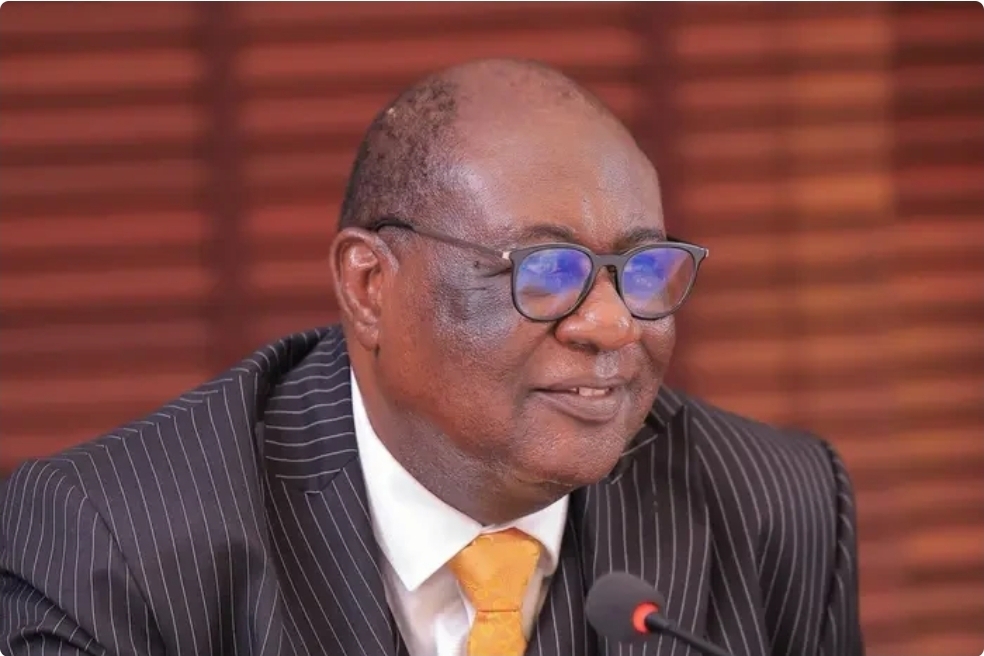 Government will not gazette Kijanangoma as King of Tooro for now - Attorney General insists
Ultimate Uganda
Government will not gazette Kijanangoma as King of Tooro for now - Attorney General insists
Ultimate Uganda
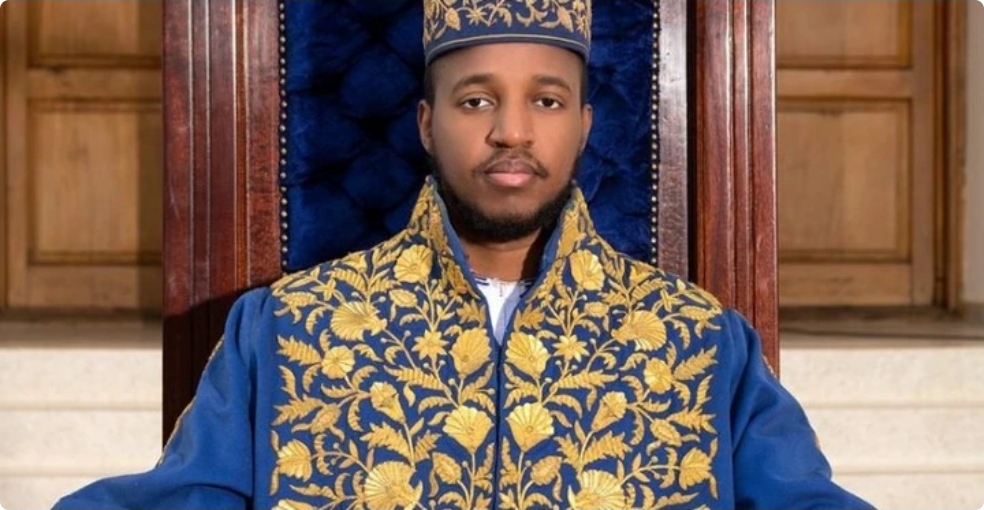 King Oyo’s Body to Arrive Thursday
Ultimate Uganda
King Oyo’s Body to Arrive Thursday
Ultimate Uganda
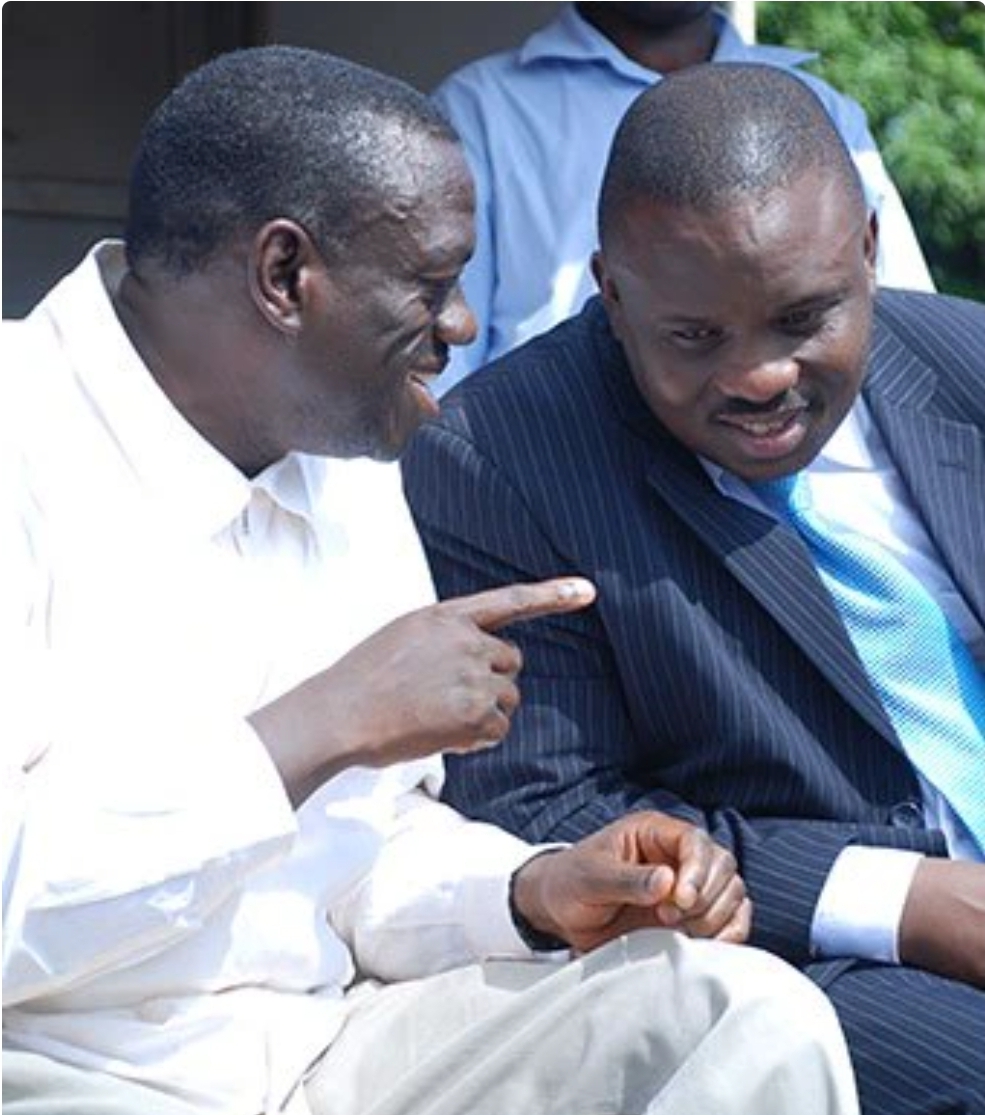 Besigye, Lukwago expected to meet Gen. Salim Saleh today at Kapeeke
Ultimate Uganda
Besigye, Lukwago expected to meet Gen. Salim Saleh today at Kapeeke
Ultimate Uganda
 Rwabwogo Advised to ‘Eat His Bishop’ As MK Prepares to Enter State H’se: PREZ MUSEVENI ON HIS WAY OUT
Ultimate Uganda
Rwabwogo Advised to ‘Eat His Bishop’ As MK Prepares to Enter State H’se: PREZ MUSEVENI ON HIS WAY OUT
Ultimate Uganda
0 Comments