
NRM’s Brandon Kintu Defends Size and Role of Parliament Amid Concerns Over Quality of Debate
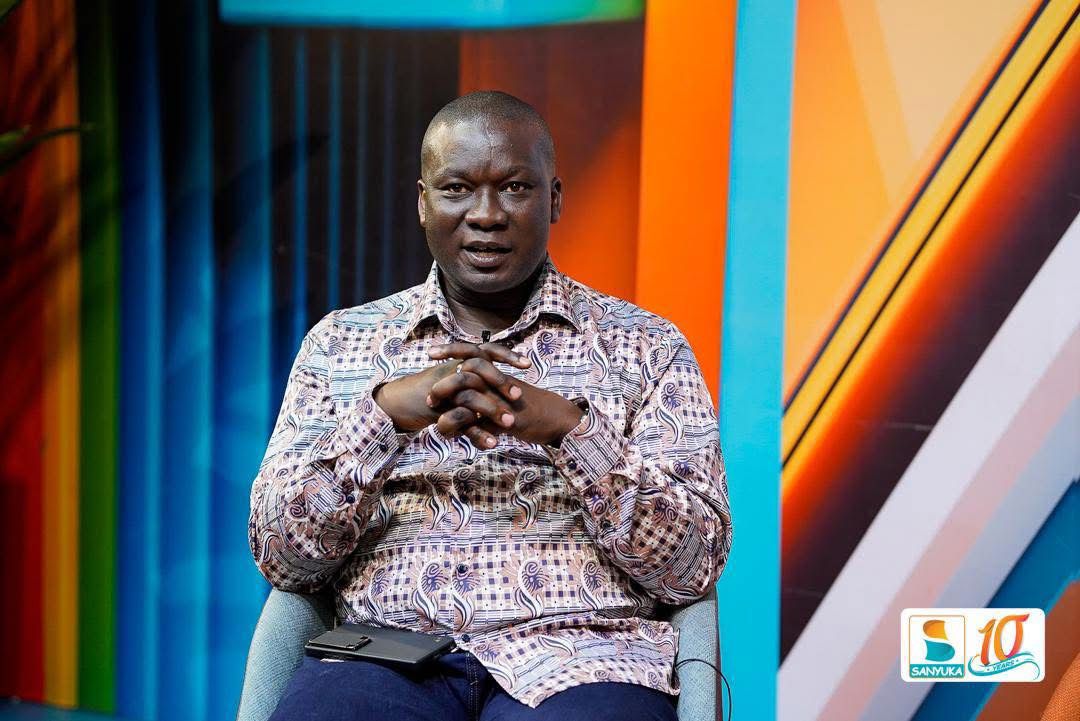

As debate intensifies over the size, cost, and performance of Uganda’s incoming 12th Parliament, NRM parliamentary caucus spokesperson Alex Brandon Kintu has defended the constitutional role of legislators, while acknowledging political pressures and public expectations that often undermine effective lawmaking and oversight.
National Resistance Movement (NRM) Parliamentary Caucus Spokesperson and Kagoma North Member of Parliament Alex Brandon Kintu has pushed back against growing public criticism of the size and perceived effectiveness of Parliament, insisting that the presence and role of Members of Parliament are grounded in constitutional obligation rather than convenience.
Speaking on Sanyuka Morning Xpress on Thursday, Kintu said Parliament’s composition is guided by the Constitution and that each new Parliament inevitably brings changes, particularly with the entry of first-time legislators.
“It is a constitutional mandate to have Members of Parliament. Every Parliament comes with its own changes,†Kintu said.
He explained that upon taking oath, all MPs undergo a formal induction process in which they are issued copies of the Constitution and the Rules of Procedure, documents intended to guide debate, legislation, and conduct within the House.
Kintu, however, acknowledged that politics is sometimes treated as a transactional arena rather than a platform for public service.
He observed that some individuals enter elective politics viewing it as a system of exchange, where political loyalty and decision-making are shaped by personal or material considerations.
He further pointed to pressure from voters as one of the biggest challenges confronting legislators. According to Kintu, many constituents place heavy personal demands on their representatives, often expecting financial or material support, which can distract MPs from their primary responsibilities of legislation, oversight, and representation.
The remarks come as the 12th Parliament, comprising 556 Members of Parliament including representatives of special interest groups, prepares to fully take shape in May 2026.
The new House will be dominated by the NRM with 370 legislators, followed by 60 independents, 49 MPs from the National Unity Platform (NUP), 12 from the Uganda People’s Congress (UPC), 10 from the Forum for Democratic Change (FDC), six from the Democratic Party (DP), two from the People’s Front for Freedom (PFF), and one from the Alliance for National Transformation (ANT).
The expanding size of Parliament has reignited debate over whether Uganda’s economy can sustainably support a legislature of more than 550 members.
Critics argue that the cost of maintaining such a large House is difficult to justify amid persistent economic pressures, while others question whether the growing number of seats translates into meaningful representation.
Concerns have also been raised about the expected quality of debate and legislation in the 12th Parliament, with analysts noting that nearly 80 percent of MPs are new entrants.
They warn that the high turnover could affect parliamentary performance, particularly in scrutiny of government policy and lawmaking.
Some observers further argue that without strong institutional guidance, mentorship, and a firm commitment to public service, the new Parliament risks falling short of its constitutional mandate of effective representation, accountability, and oversight.


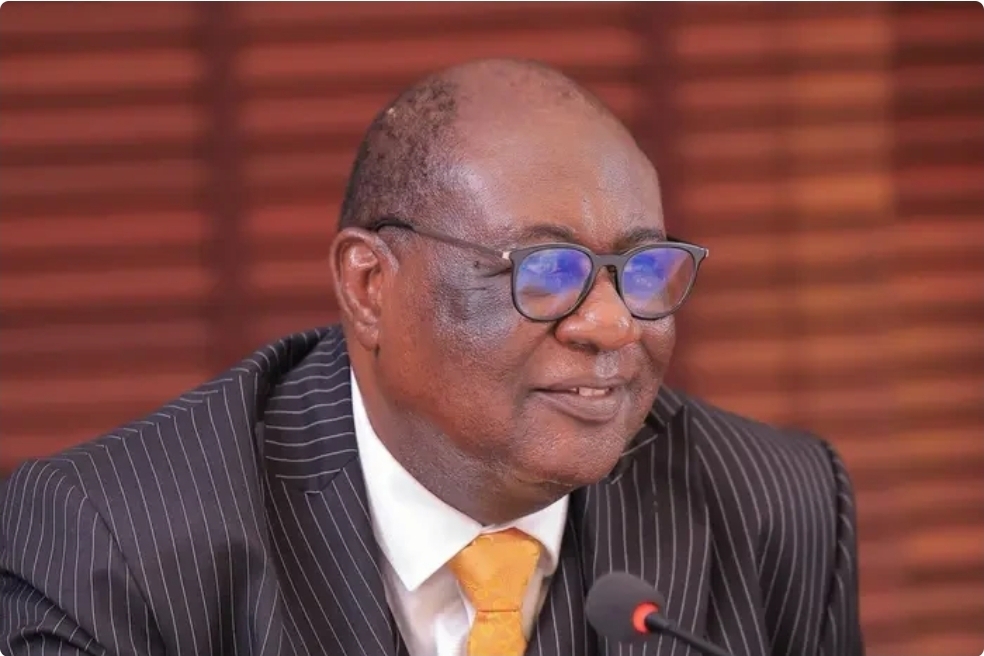 Government will not gazette Kijanangoma as King of Tooro for now - Attorney General insists
Ultimate Uganda
Government will not gazette Kijanangoma as King of Tooro for now - Attorney General insists
Ultimate Uganda
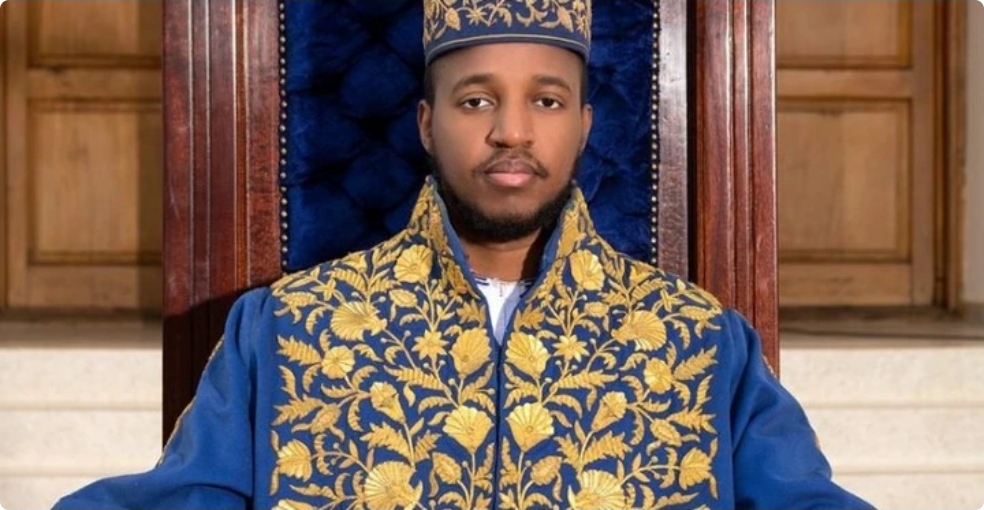 King Oyo’s Body to Arrive Thursday
Ultimate Uganda
King Oyo’s Body to Arrive Thursday
Ultimate Uganda
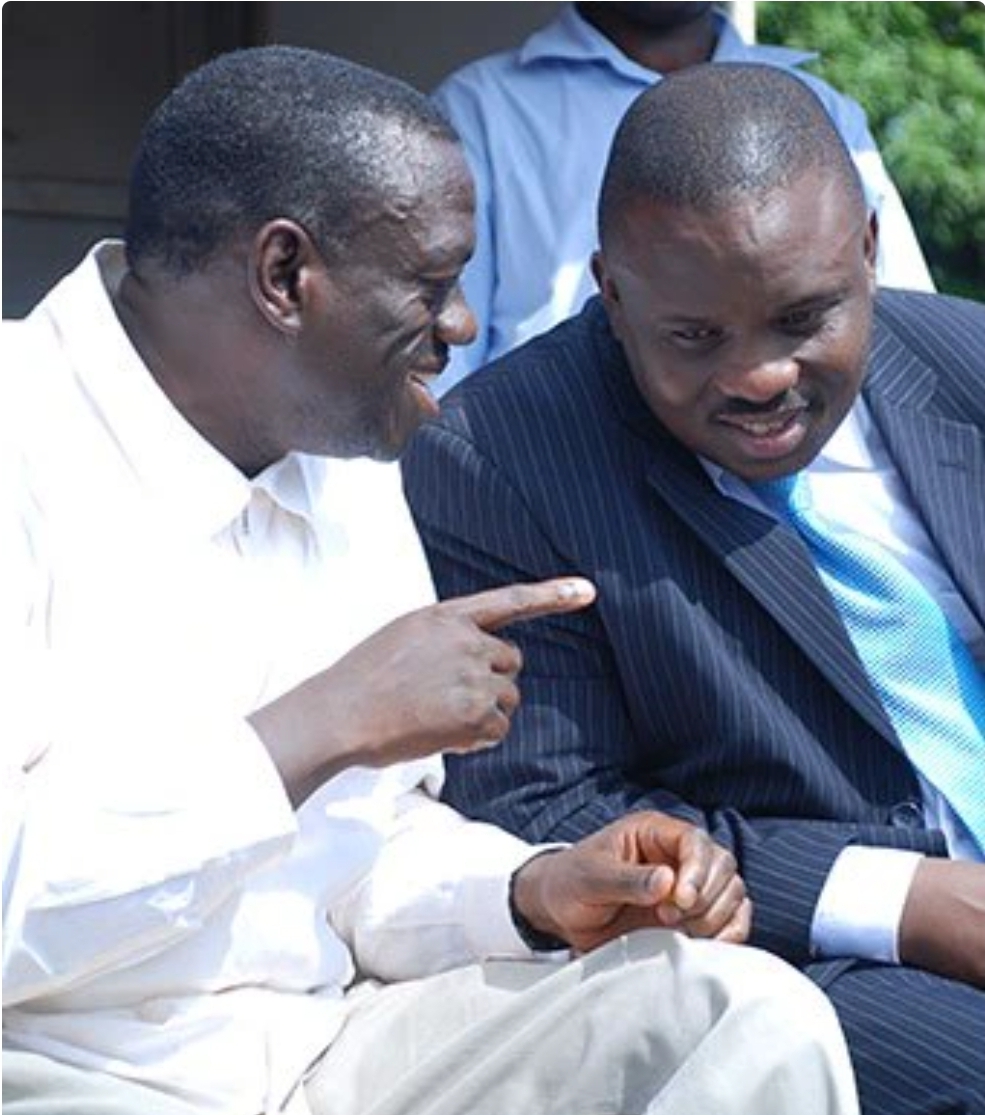 Besigye, Lukwago expected to meet Gen. Salim Saleh today at Kapeeke
Ultimate Uganda
Besigye, Lukwago expected to meet Gen. Salim Saleh today at Kapeeke
Ultimate Uganda
 Rwabwogo Advised to ‘Eat His Bishop’ As MK Prepares to Enter State H’se: PREZ MUSEVENI ON HIS WAY OUT
Ultimate Uganda
Rwabwogo Advised to ‘Eat His Bishop’ As MK Prepares to Enter State H’se: PREZ MUSEVENI ON HIS WAY OUT
Ultimate Uganda
0 Comments