
Concern as Zombo records nearly 4,000 teenage pregnancies in one year
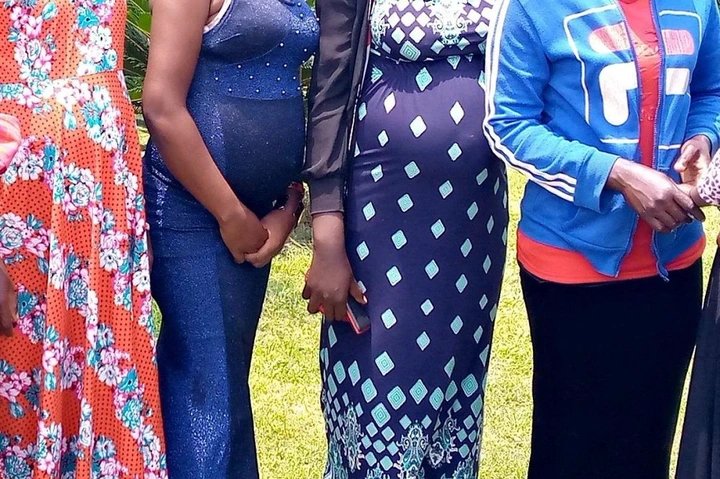

Zombo District has recorded 3,896 teenage pregnancies in one year, pushing its adolescent pregnancy rate above Uganda’s national average and alarming leaders.
Zombo, Uganda: West Nile Region’s Zombo District registered a total of 3,896 teenage pregnancies among girls below 18 years between 2024 and 2025, accounting for 26.7 per cent of all antenatal care visits in the district and placing it above the national average, district officials have revealed.
The figures were disclosed by the District Community Development Officer, Samuel Ocaki, during a multi-stakeholder engagement organised by the Alur Kingdom at the Zombo District Farmers Association offices in Zombo Town Council.
According to Ocaki, the pregnancies were recorded out of 14,593 antenatal care visits logged across health facilities in the district during the same period, making Zombo one of the leading districts in West Nile for adolescent pregnancies.
“These figures are based on girls who attended ANC services. The real situation could be worse,†Ocaki warned, noting that some teenage mothers opt for home deliveries assisted by traditional birth attendants, leading to possible underreporting.
Child protection actors, civil society organisations and cultural leaders expressed concern that the high numbers persist despite sustained multi-sectoral interventions rolled out since the post-COVID teenage pregnancy spike of 2022.
Ocaki partly blamed the trend on parents’ reluctance to report defilement cases, arguing that silence and informal settlements shield perpetrators and expose more girls to exploitation.
Interventions in the district have included community sensitisation, cultural leadership mobilisation by the Alur Kingdom, and programmes implemented by organisations such as Life Concern and MEMPROW, focusing on adolescent sexual and reproductive health.
Bob Opio, the Alur Kingdom Minister for Culture and Legal Affairs, urged families to revive cultural responsibility through the “Kura Matira†policy, which promotes family harmony, discipline and responsible parenting.
“Parents must provide basic necessities like sanitary pads and clothing to their daughters. When families fail, girls become vulnerable to exploitation through small financial inducements,†Opio said.
Representing MEMPROW, Sunday Kayom stressed the need to keep girls in school and expand second-chance education opportunities for those who become pregnant.
“We must retain girls in education, challenge harmful gender norms, and scale up comprehensive sexuality education both in and out of school,†Kayom said, adding that poor parenting remains a major driver of vulnerability.
Zombo District Council Speaker Hassan Ringtho described the situation as “unfortunate†and said the district is fast-tracking implementation of the Education Ordinance 2024, aimed at protecting girls’ rights and reducing school dropouts linked to pregnancy.
Ringtho also pointed to Zombo’s porous border with the Democratic Republic of Congo, noting that several lower local governments host cross-border mothers who seek maternal health services in Uganda, potentially inflating the figures.
Education indicators in the district mirror the social crisis. The 2025 Primary Leaving Examination (PLE) results showed only 25 candidates attained Division One, while over 600 candidates were ungraded out of more than 2,000 sitters.
A recent Life Concern study further revealed that about 65 percent of youths in Zombo cannot read or write, a situation worsened by school dropouts driven by early marriage and teenage pregnancy.
Alur Kingdom Prime Minister Prince Lawrence Opar Angala called for deeper collaboration between cultural institutions, government agencies and civil society, saying the Kingdom has intensified community sensitisation and cultural enforcement mechanisms aligned with national child protection efforts.
Zombo’s teenage pregnancy prevalence of 26.7 percent exceeds Uganda’s national average of 24–25 percent for girls aged 15–19 who have begun childbearing, a rate that has remained largely unchanged for nearly two decades, according to UBOS and UNICEF data.


 Government will not gazette Kijanangoma as King of Tooro for now - Attorney General insists
Ultimate Uganda
Government will not gazette Kijanangoma as King of Tooro for now - Attorney General insists
Ultimate Uganda
 King Oyo’s Body to Arrive Thursday
Ultimate Uganda
King Oyo’s Body to Arrive Thursday
Ultimate Uganda
 Besigye, Lukwago expected to meet Gen. Salim Saleh today at Kapeeke
Ultimate Uganda
Besigye, Lukwago expected to meet Gen. Salim Saleh today at Kapeeke
Ultimate Uganda
 Rwabwogo Advised to ‘Eat His Bishop’ As MK Prepares to Enter State H’se: PREZ MUSEVENI ON HIS WAY OUT
Ultimate Uganda
Rwabwogo Advised to ‘Eat His Bishop’ As MK Prepares to Enter State H’se: PREZ MUSEVENI ON HIS WAY OUT
Ultimate Uganda
0 Comments