
Makerere University to cut undergraduate intake
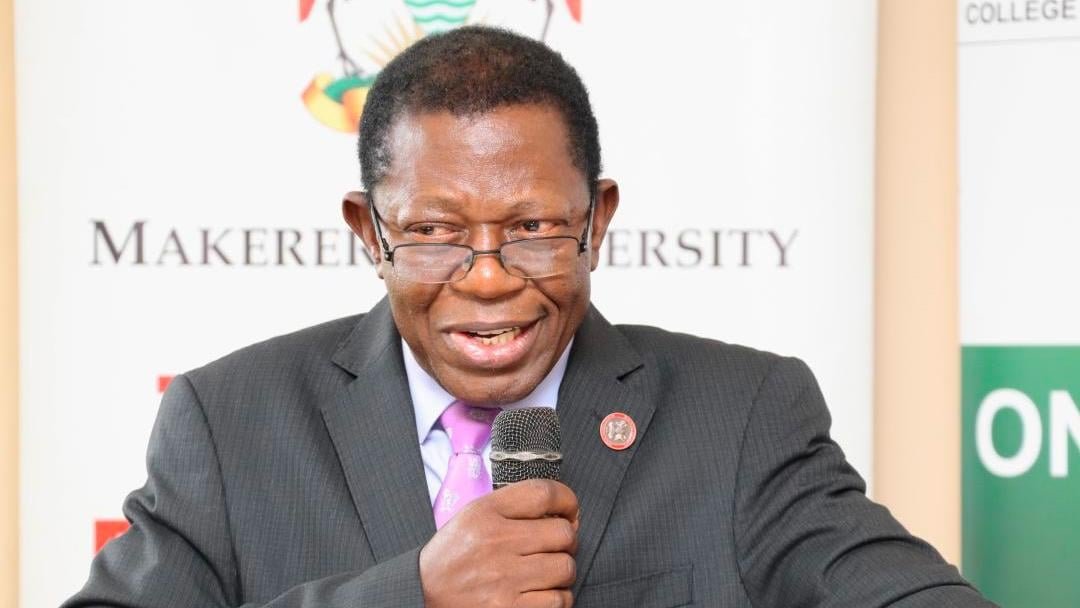

The Academic Registrar, Prof Mukadasi Buyinza
Students hoping to join Makerere University for bachelor's degrees and diploma studies effective this year will face stiffer competition after the institution announced a gradual reduction in undergraduate admissions.
This is part of a long-term plan for the university to reposition itself as a research-led university.
The country’s oldest public institute of higher learning will cut undergraduate intake from about 14,000 students to 12,000 initially, with further reductions planned gradually over the coming years as it seeks to increase postgraduate enrolment to at least 30 per cent of its total student population by 2030.
In an interview with this publication, the Academic Registrar, Prof Mukadasi Buyinza, said the decision was approved by the university council in 2020 and will be implemented this academic year to strengthen research output and produce more specialists who will drive national development. Makerere University has about 35,000 students, including roughly 5,000 postgraduate students. The plan underway is targeting to double the number of Master’s and PhD students to about 10,000.
“At the graduate level, we offer more in-depth education and specialised skills. Students who conduct quality, nationally relevant research are the graduate students, and this shift is aimed at strengthening the university's research output. This transition will be implemented gradually to ensure effective quality transition and sustainability,†Prof Buyinza said.
Prof Mukadasi said the reduction will mainly target privately sponsored undergraduate students, while government-sponsored and Science, Technology, Innovation, Engineering and Mathematics (STEM) programmes will remain largely unaffected.
With Uganda now having 12 public universities, he said, students who miss out on Makerere admission are expected to find spaces in other institutions and still access quality education. “In the recent past, the postgraduate student population has been about 5,000, but now we want to build it up to about 10,000 and even more as we proceed. We have a long history of graduate education, strong international collaborations, and have invested quite substantial resources in libraries and laboratories, which gives us a unique advantage over other universities to conduct research,†Prof Mukadasi said.
He added that, with government support, more investments will now go into machine learning and online curriculum development, all intended to increase high-level skills, improve graduate career prospects, and strengthen the country’s human resource capacity. “Uganda now has 12 public universities, and we believe the other public universities are helping to fill the gap and can be sure that those who have not been taken by Makerere will find space and still get quality education,†he added.
However, the move is expected to increase competition for the remaining undergraduate slots. Prof Buyinza said the changes will be implemented gradually over 10 years to avoid major disruption, with admission numbers expected to drop by about 10 per cent annually.
“We shall not disadvantage any particular programme. Admission is based on multiple criteria, including relevance to the National Development Plan, Uganda Vision 2040, and the Makerere Strategic Plan. All programmes will be treated with fairness, transparency and equity,†he added.
However, some education experts question whether this addresses the practical skills graduates need. Mr Fagil Mandy, an educationist, said the real issue is the practical value of a Makerere graduate. To him, the focus should not only be on research output, but on what graduates can do in the workforce and how they contribute to society.
“It’s not just about research or producing papers. The question is, what can a Makerere graduate actually do? At the end of the day, the government and the country need people who can apply their skills, solve real problems, and contribute meaningfully to development, not just researchers sitting in labs,†he said.
Founded in 1922, Makerere University is Uganda’s oldest and largest public university and has long been considered the country’s premier centre of higher learning.


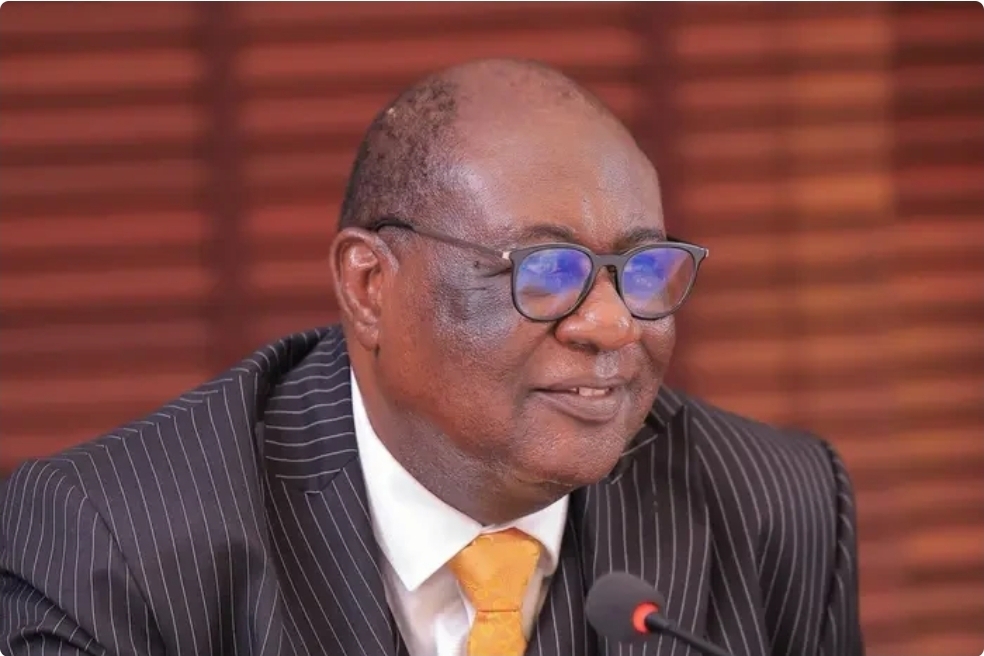 Government will not gazette Kijanangoma as King of Tooro for now - Attorney General insists
Ultimate Uganda
Government will not gazette Kijanangoma as King of Tooro for now - Attorney General insists
Ultimate Uganda
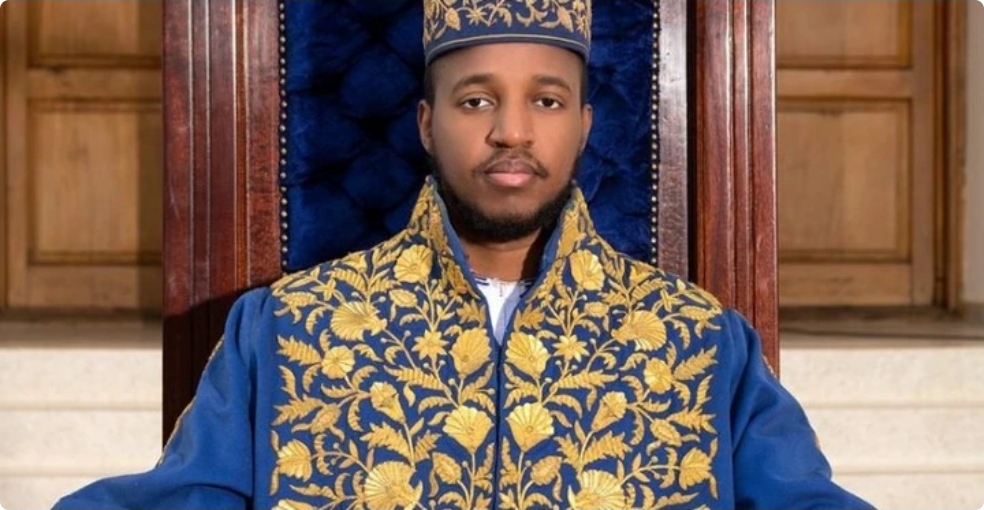 King Oyo’s Body to Arrive Thursday
Ultimate Uganda
King Oyo’s Body to Arrive Thursday
Ultimate Uganda
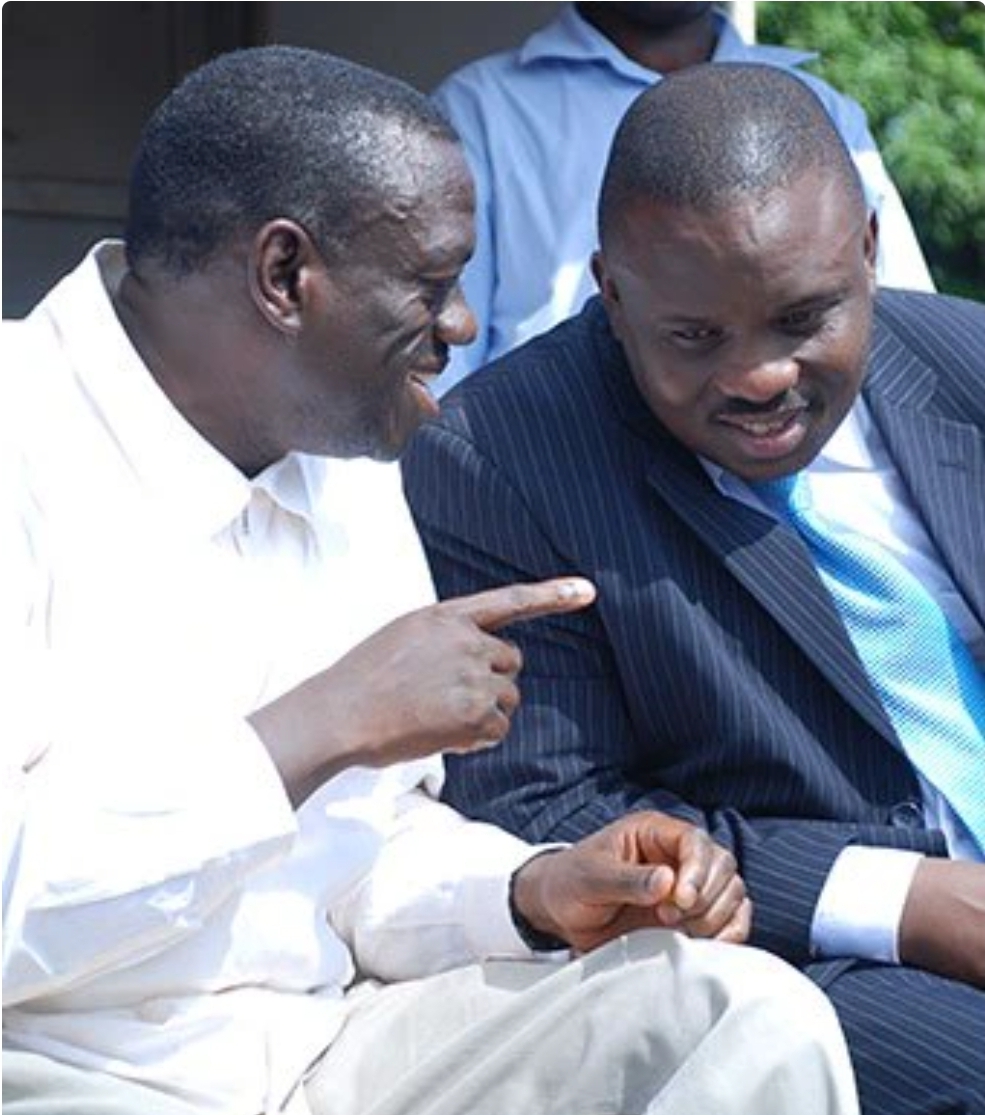 Besigye, Lukwago expected to meet Gen. Salim Saleh today at Kapeeke
Ultimate Uganda
Besigye, Lukwago expected to meet Gen. Salim Saleh today at Kapeeke
Ultimate Uganda
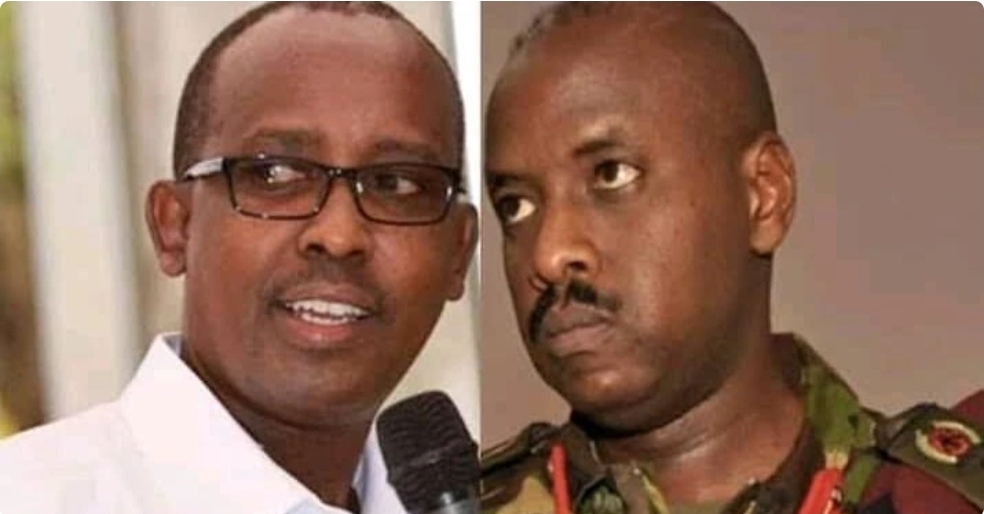 Rwabwogo Advised to ‘Eat His Bishop’ As MK Prepares to Enter State H’se: PREZ MUSEVENI ON HIS WAY OUT
Ultimate Uganda
Rwabwogo Advised to ‘Eat His Bishop’ As MK Prepares to Enter State H’se: PREZ MUSEVENI ON HIS WAY OUT
Ultimate Uganda
0 Comments