
From Kampala To Persia: Ugandan Archbishop Links Iran Flashpoints To Ezekiel 38-39 As Bishops Are Told To Dust Off Hans Kung’s Book “The Church†For Relevance
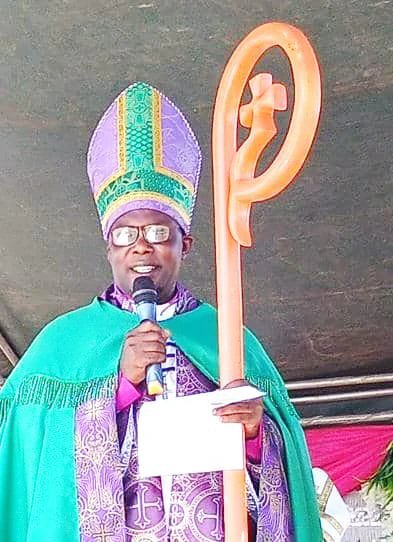

Archbishop- elect Prof Mugume Bagambaki Richard
Regional tensions after the Israel–U.S. confrontations with Islamic Republic of Iran in mid‑2025 and early‑2026 have revived interest in biblical passages that mention Persia and Elam as players in end‑times war.
Archbishop‑elect Amb. Prof. Mugume Bagambaki Richard, head of Upper City Covenant Churches and Chancellor of UCCSAT University, laid out the traditional reading this week: Jeremiah’s notes on Elam, Daniel’s Persian setting, and—crucially—Ezekiel 38‑39, where “Persia†joins a Russia‑led coalition against Israel before divine intervention scatters the force.
For context, Ezekiel 38-39 portrays a future invasion of Israel by a coalition led by ‘God of Magog’ (often read as Russia plus allies-Persian/Iran, Cush, Put, Gomer, Beth-togarmah).
Gog attacks a restored, unsuspecting Israel living securely but God intervenes with earthquake, fire, hail, disease and infighting destroy the armies on Israel’s mountains. Israel burns the weapons for years and buries the dead for months, then God pours out His Spirit, revealing Himself to nations.
The oracle’s point is God’s sovereignty-he uses the attack to display holiness and to restore Israel.
UCCSAT University is a Uganda-registered institution with theological and secular faculties based in Rubaga division in Kampala and Regionally and internationally accredited in UK and USA.
Archbishop-elect Amb Prof Mugume Bagambaki Richard is the Ugandan founder-president of Upper City Covenant Churches and was ordained in the early 2000s and consecrated bishop in 2010.
Professor Mugume Bagambaki Richard is the Ecclesiastical Episcopal Conference Archbishop of Upper City Covenant Churches, President of Five-Fold Episcopal World Federation and President/Chancellor Upper City Covenant Seminary and Theological Bible College (UCCSAT) University
He is described as a prolific author (100k plus pages,160 plus languages with PhDs in theology and metaphysics, and serves as chancellor of AUU International.
He heads UCCSAT’s 42 faculties and overseas its global church-planting, training and humanitarian ministries.
He traced history quickly—Babylon, Cyrus, Alexander, Islam, the 1501 founding of Iran—then stressed Pentecost’s “Parthians, Medes, Elamites†(Acts 2:9) as a reminder that Iranians were present at the church’s birth.
In his view, current headlines do not prove prophecy but fit a pattern believers should weigh, not weaponize. Scholars note interpretations vary widely and reject date‑setting. For now, the archbishop’s memo circulates in Ugandan Pentecostal networks as diplomats keep working the file.
Amb Professor Bagambaki’s release lists contact details as +256774459971(WhatsApp and Email mugumebagambakirichard@gmail.com and academic titles and argues that Ezekiel’s outcome—God defending Jerusalem—serves as warning, not warrant, for escalation.
Local voices urged caution. Bishop Dr Daniel Muwanga of Kimaka Faith Fellowship Ministries, who has pressed leaders to put peace above triumphalism, said: “We must prioritize peace, stability, and unity… learn from the soccer world, shake hands and move onâ€.
His appeal, made during election‑season counseling, landed differently here—an invitation to discuss Iran without inflaming faiths.
Bishop Muwanga has been vocal in recent months about faith and national leadership.
He argues that the Church and its clergy must neither dominate politics nor withdraw, but should stay central to public life while advocating for order.
If lawlessness grows under poor leadership, he warns that even the Church’s core work of healing, evangelism and prophetic ministry, among others will be undermined.
Unlike other religious leaders who call politics dirty and best left to politicians, Bishop Muwanga calls that view wrong, misleading and hypocritical. If politics is dirty, he says, the Church should step in and help cleanse it.
Bishop Muwanga has asked fellow bishops, apostles and pastors to pull of copies of Hans Kung’ the Church off the shelves.
He tells his clergy team that Kung’s model, the Church as a servant community that dialogues with but never merges into the state offers exactly the compass they lack.
“We cannot cry lawlessness while reading only our notes from ordination or consecrationâ€, he said.
Bishop Muwanga sums it up: “clean hands make poor alibis, if politics is filthy, our broom is the Gospel and Kung reminds us how to sweep without appointing ourselves mayors or LC5 chairpersons or MPsâ€.
In The Church (1967), Hans Kung depicts the Church as an “eventâ€- a pilgrim people centered on Christ, not a rigid hierarchy. He stresses collegiality: bishops and laity share discernment, with primacy as service rather than monarchy.
On Church-state relations, Hans Kung insists both must keep in autonomy but engage in dialogue, cooperating for justice and human dignity. Translating the Gospel means renouncing power grabs, aligning with the poor and protecting conscience even when that requires criticizing governments.
Hans Kung (1928-2021) was a Swiss catholic priest and theologian. Ordained in 1954, he earned his doctorate in Paris, then taught at Tubingen from 1960 and served as a peritus at Vatican II, pushing for reform and ecumenism.
His 1971 book Infalliable? challenged papal infallibility 1979 the Vatican stripped him of his license to teach Catholic theology, though he remained a priest and professor of ecumenical theology until 1996.
Kung wrote prolifically-The Church (1967), On Being A Christian (1974) and later founded the Global Ethic Foundation, promoting inter-religious dialogue. He died in 2021, still a controversial voice for decentralized, historically-minded Catholicism.


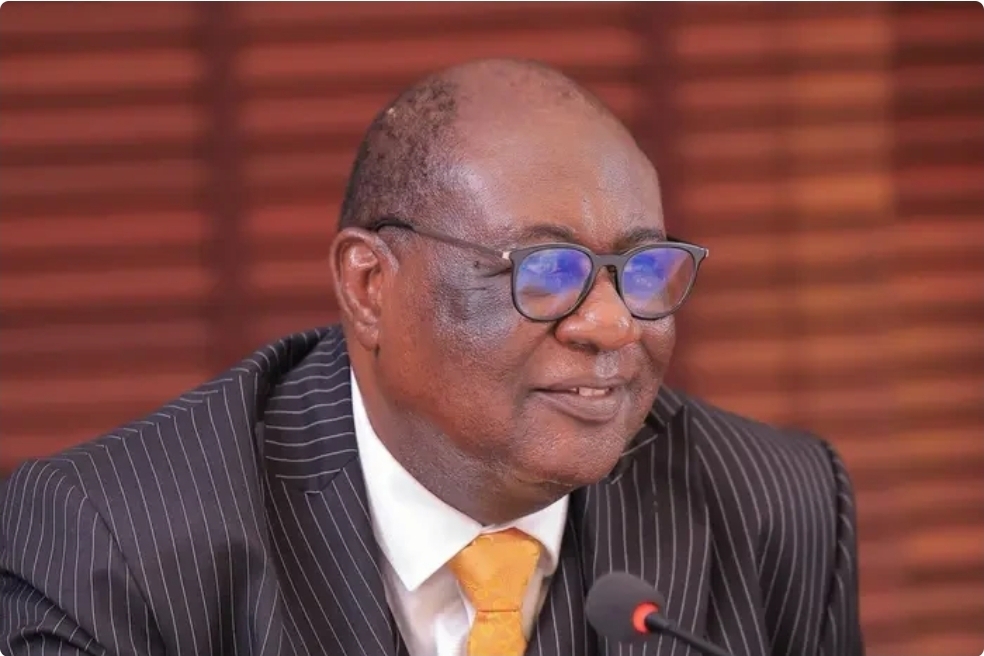 Government will not gazette Kijanangoma as King of Tooro for now - Attorney General insists
Ultimate Uganda
Government will not gazette Kijanangoma as King of Tooro for now - Attorney General insists
Ultimate Uganda
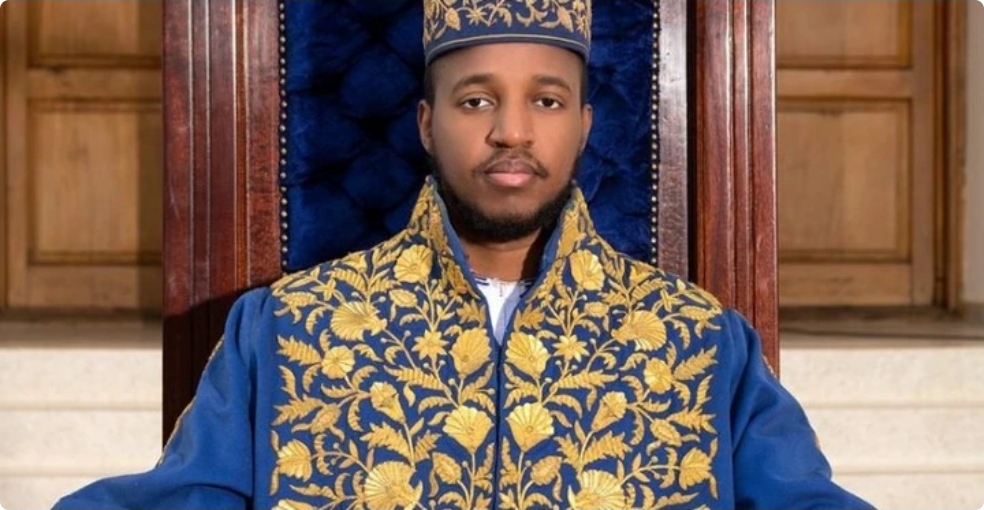 King Oyo’s Body to Arrive Thursday
Ultimate Uganda
King Oyo’s Body to Arrive Thursday
Ultimate Uganda
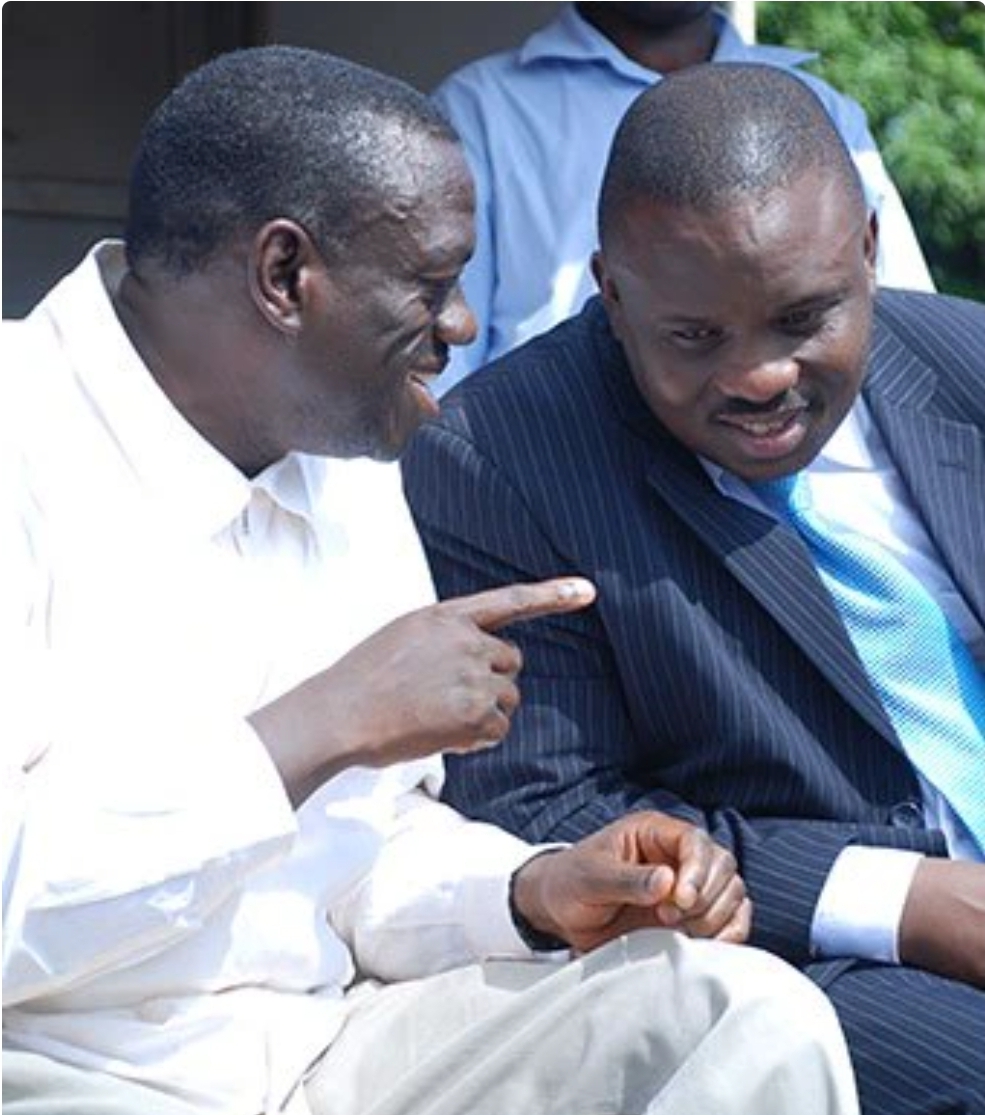 Besigye, Lukwago expected to meet Gen. Salim Saleh today at Kapeeke
Ultimate Uganda
Besigye, Lukwago expected to meet Gen. Salim Saleh today at Kapeeke
Ultimate Uganda
 Rwabwogo Advised to ‘Eat His Bishop’ As MK Prepares to Enter State H’se: PREZ MUSEVENI ON HIS WAY OUT
Ultimate Uganda
Rwabwogo Advised to ‘Eat His Bishop’ As MK Prepares to Enter State H’se: PREZ MUSEVENI ON HIS WAY OUT
Ultimate Uganda
0 Comments