
UAE Seeks Global Support After Iran Missile Attacks
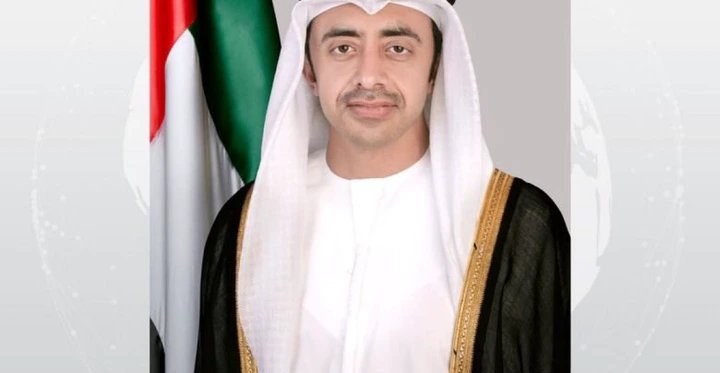

UAE Deputy Prime Minister and Foreign Affairs Minister Sheikh Abdullah bin Zayed Al Nahyan
ABU DHABI — The United Arab Emirates has intensified diplomatic outreach following what it described as Iran’s “brutal and terrorist†missile attacks, warning that the escalation threatens regional stability and global energy security.
UAE Deputy Prime Minister and Foreign Affairs Minister Sheikh Abdullah bin Zayed Al Nahyan held a series of phone calls with international leaders and foreign ministers to discuss the repercussions of the attacks and mobilize diplomatic support.
According to the UAE Ministry of Foreign Affairs, Sheikh Abdullah spoke with Tanzanian President Samia Suluhu Hassan, Tonga’s Crown Prince Tupou Aho’akilisi, Canadian Foreign Minister Anita Anand, Guatemala’s Foreign Minister Carlos Ramiro MartÃnez, Georgia’s Foreign Minister Maka Botchorishvili, and Trinidad and Tobago’s Foreign and CARICOM Affairs Minister Amery Browne.
During the calls, officials warned that the missile strikes could have “serious implications for the security and stability of the region†and may also affect “the global economy and the security of energy supplies.â€
The diplomatic consultations came as the UAE confirmed its air defence systems intercepted 10 ballistic missiles and 26 unmanned aerial vehicles launched from Iran on March 12, preventing them from reaching their targets.
Since the start of what authorities described as “blatant Iranian aggression,†UAE air defences have intercepted 278 ballistic missiles, 15 cruise missiles and 1,540 drones, highlighting the scale of the aerial campaign.
Iran says it is targeting United States’ military bases and interests in the Gulf region used to attack its territory.
Despite the interceptions, the attacks have caused casualties. Authorities said six people — Emirati, Pakistani, Nepali and Bangladeshi nationals — have been killed, while 131 others sustained minor to moderate injuries.
Header advertisement
Those affected include residents and workers from numerous countries including the UAE, Egypt, Sudan, Ethiopia, the Philippines, Pakistan, Iran, India, Bangladesh, Sri Lanka, Azerbaijan, Yemen, Uganda, Eritrea, Lebanon, Afghanistan, Bahrain, Comoros, Türkiye, Iraq, Nepal, Nigeria, Oman, Jordan, Palestine, Ghana and Indonesia.
Response
The UAE Ministry of Defence said the armed forces remain ready to respond decisively to any further attacks.
“The Ministry of Defence affirms that it remains fully prepared and ready to deal with any threats,†the ministry said, adding it would “firmly confront any attempts to undermine the security of the State in a manner that ensures the protection of its sovereignty, security and stability.â€
Officials involved in the calls strongly condemned the attacks, saying they “represent a clear violation of the principles of international law and the United Nations Charter†and pose “a direct threat to the security of countries, their sovereignty and the stability of the region.â€
They also emphasized that countries targeted by the strikes “have the right to take the necessary measures to protect their sovereignty and the safety of their territories†in accordance with international law.
Sheikh Abdullah expressed appreciation for the solidarity shown by partner countries and reassured them that all residents and visitors in the UAE remain safe.
Leaders involved in the discussions stressed the need to “enhance international cooperation and combine joint efforts to maintain regional security and stability,†warning that continued escalation could have far-reaching consequences beyond the Middle East.
Any sustained conflict involving Gulf states could disrupt oil and shipping routes through the Strait of Hormuz, a strategic chokepoint through which roughly one-third of the world’s seaborne oil trade passes, potentially sending shockwaves through global energy markets.


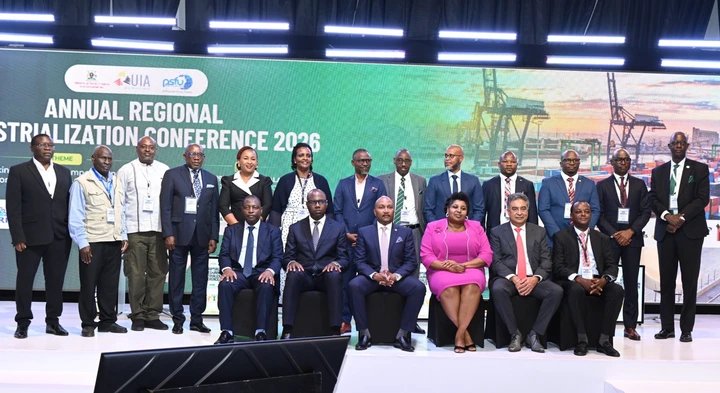 DRC opposition urges Tshisekedi to abandon constitutional changes
Ultimate Uganda
DRC opposition urges Tshisekedi to abandon constitutional changes
Ultimate Uganda
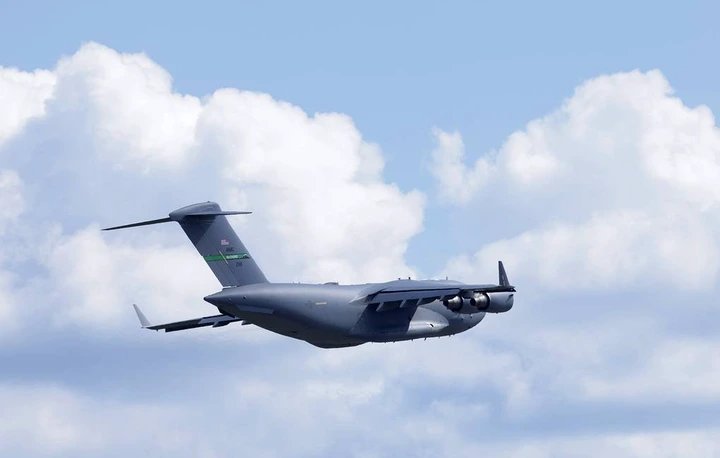 US military transport plane lands in Moscow
Ultimate Uganda
US military transport plane lands in Moscow
Ultimate Uganda
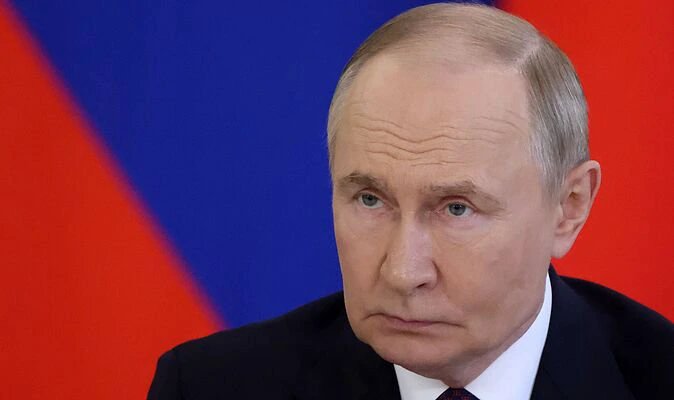 Putin puppet slaps UK with terrifying 2-word warning over drone factories
Ultimate Uganda
Putin puppet slaps UK with terrifying 2-word warning over drone factories
Ultimate Uganda
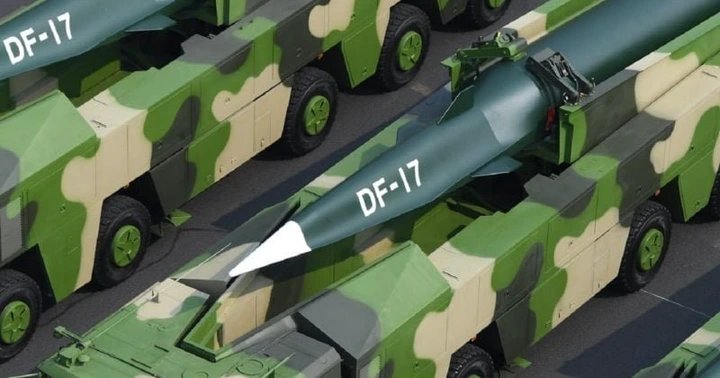 China develops hypersonic weapon to hunt US command aircraft thousands of miles away
Ultimate Uganda
China develops hypersonic weapon to hunt US command aircraft thousands of miles away
Ultimate Uganda
0 Comments