
Internal Wrangles Threaten NRM Gains in Masaka
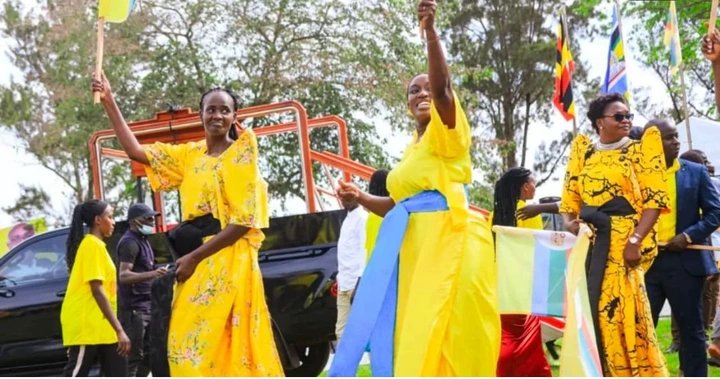

Internal conflicts among NRM leaders in Masaka City are raising alarm within the party, with some members warning that opposition parties could exploit the divisions to reclaim influence in the region.
Although the National Resistance Movement (NRM) has long struggled to establish a stronghold in Masaka City, escalating internal conflicts among its leaders are now raising alarm within the party.
Observers warn that if these disputes are not resolved, opposition parties may seize the opportunity to reclaim political ground.
Since the introduction of political parties in Uganda in the 1950s—beginning with the Uganda National Congress (UNC) in 1952, followed by the Democratic Party (DP) in 1954, and later the Uganda People's Congress (UPC) in 1960—Masaka residents largely supported the DP for decades.
That trend shifted in 2021, when support for DP and other parties declined, with many voters turning to the National Unity Platform (NUP).
Historically, NRM has performed poorly in Masaka, often winning only a few elective positions.
However, in the most recent elections, the party made notable gains across districts such as Bukomansimbi, Sembabule, Rakai, Kyotera, Masaka, and Lyantonde, where many grassroots leaders were elected on the NRM ticket.
In Masaka City, NRM secured a parliamentary seat won by Justine Nameere, the Kimaanya Division mayoral seat, and a majority of positions on the city council.
Despite these advances, persistent wrangles and divisions among NRM leaders in Masaka City—widely regarded as the political heartbeat of the region—threaten to undermine the party’s progress.
Two weeks ago, the NRM national chairman and President of Uganda, Yoweri Kaguta Museveni, visited Masaka to assess the root cause of the conflict.
“I am not here in my capacity as a party leader, but rather to quietly observe and understand what is really happening in Masaka. I have received many reports, and I want to hear directly from you,†President Museveni said.
During a meeting briefly open to the media, tensions flared as Justine Nameere, the Woman Member of Parliament for Masaka City, and Rogers Buregyeya, the NRM chairperson for Masaka City, exchanged heated words in the President’s presence.
The situation has alarmed senior party members, including Peter Ssenkungu, a former NRM district chairperson in Masaka, who warned of serious consequences if the divisions persist.
“We can all see the direction our party is taking. If we are not careful, we risk going down the same path as other political groups. What has happened to NUP in this region should serve as a warning—we must put our house in order before it is too late,†Ssenkungu said.
Ssenkungu and other members expressed disappointment with the President’s meeting, saying it failed to address the core issues affecting the region, as leaders focused more on personal disagreements than party unity.
Meanwhile, Justine Nameere, who also serves as the NRM city chairperson, has faced mounting criticism, with some questioning the legitimacy of her election victory. She has strongly dismissed the claims, accusing influential individuals within the party of undermining her leadership.
“I am being targeted by well-connected mafias, particularly land grabbers operating in Masaka. Unfortunately, some of these individuals are embedded within our own NRM leadership in the region,†Nameere said.
As divisions deepen, NRM supporters at various levels report growing confusion and uncertainty about whom to trust, raising fears that the party’s internal struggles could erode its support in Masaka.


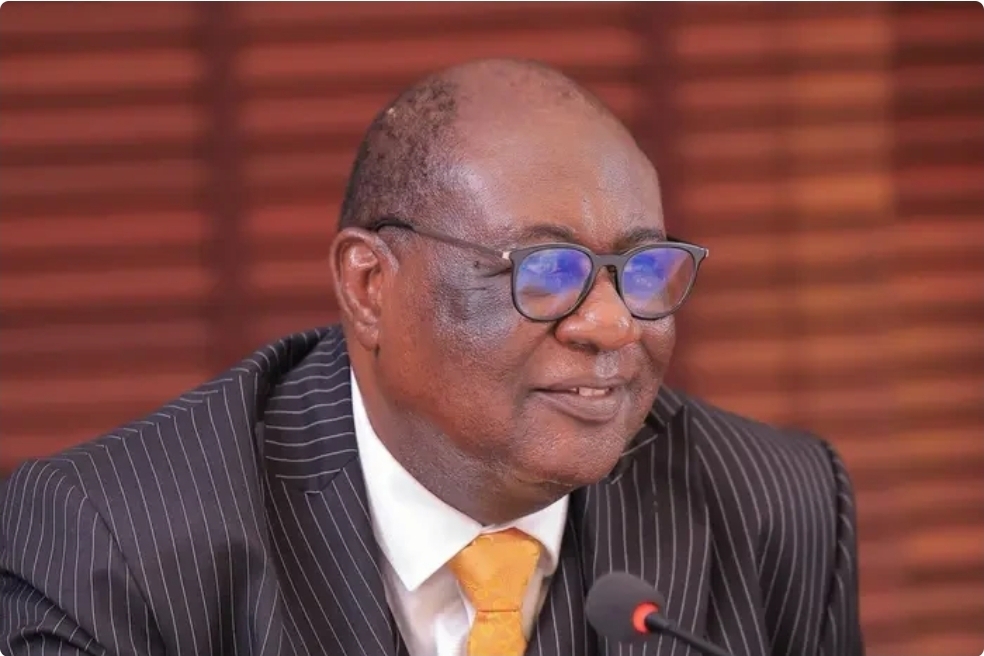 Government will not gazette Kijanangoma as King of Tooro for now - Attorney General insists
Ultimate Uganda
Government will not gazette Kijanangoma as King of Tooro for now - Attorney General insists
Ultimate Uganda
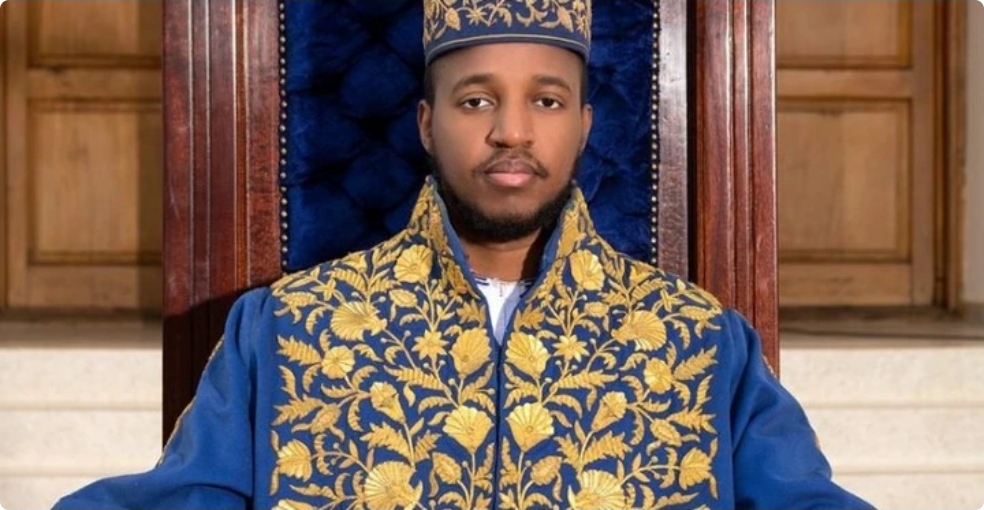 King Oyo’s Body to Arrive Thursday
Ultimate Uganda
King Oyo’s Body to Arrive Thursday
Ultimate Uganda
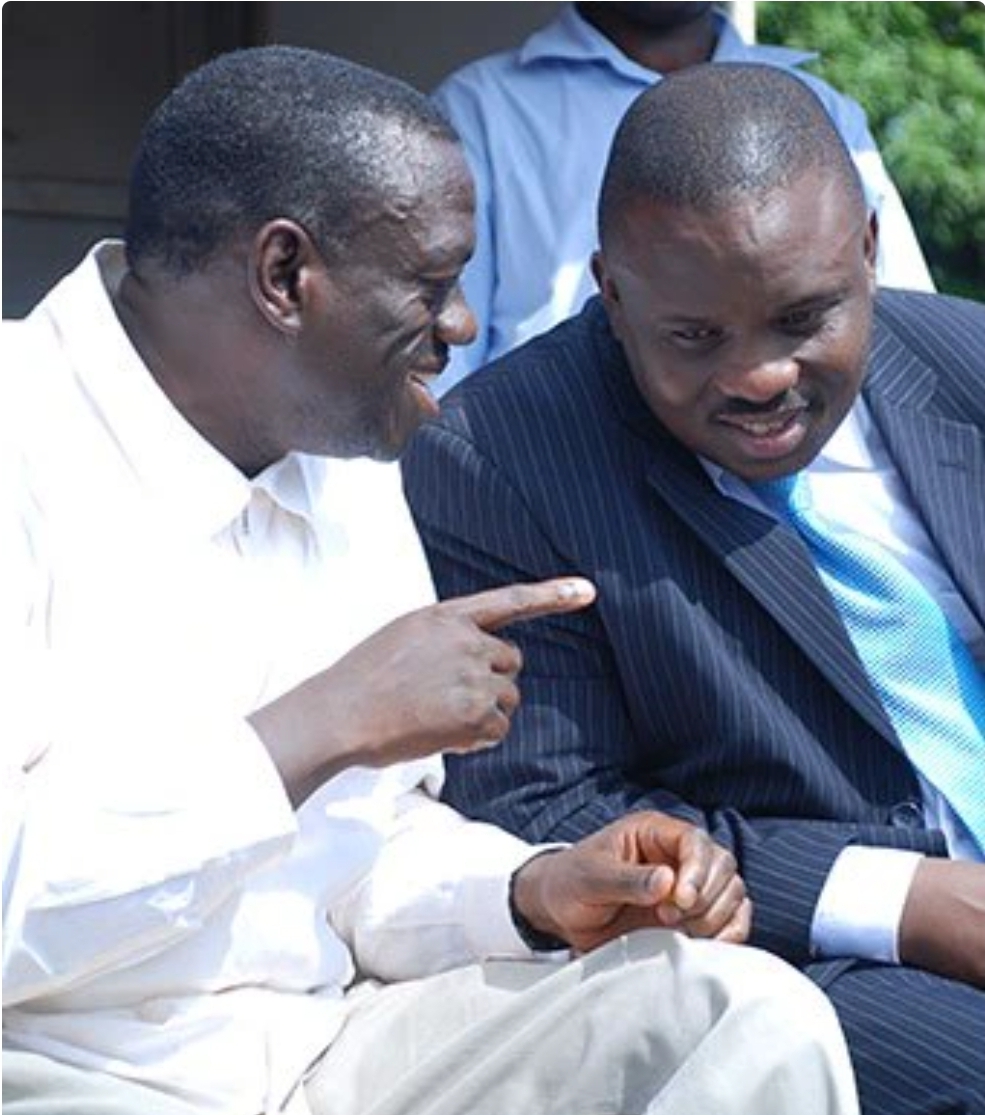 Besigye, Lukwago expected to meet Gen. Salim Saleh today at Kapeeke
Ultimate Uganda
Besigye, Lukwago expected to meet Gen. Salim Saleh today at Kapeeke
Ultimate Uganda
 Rwabwogo Advised to ‘Eat His Bishop’ As MK Prepares to Enter State H’se: PREZ MUSEVENI ON HIS WAY OUT
Ultimate Uganda
Rwabwogo Advised to ‘Eat His Bishop’ As MK Prepares to Enter State H’se: PREZ MUSEVENI ON HIS WAY OUT
Ultimate Uganda
0 Comments