
From Where I Stand, Uganda Is Stable, Says Amb Adonia
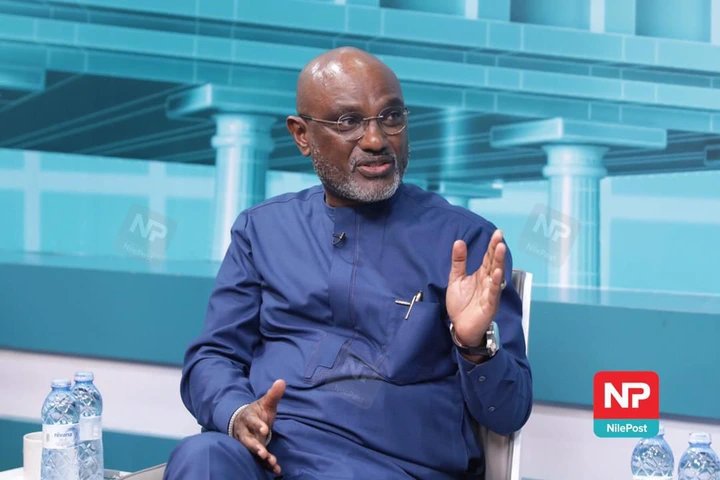

Uganda’s Permanent Representative to the United Nations, Adonia Ayebare, has weighed in on the country’s post-election climate, emphasising stability while acknowledging growing calls for dialogue amid political tensions.
Speaking during the NBS Frontline on Thursday, Ayebare struck a cautious tone regarding reports of behind-the-scenes negotiations between the government and the opposition National Unity Platform (NUP), reportedly surrounding the return of former NUP presidential candidate Robert Kyagulanyi, popularly known as Bobi Wine, who is currently abroad on international engagements and has been away from his home since the day after the polls.
“I don't know about the behind-the-scenes talks between the government and NUP. I can neither deny nor confirm,†he said.
Ayebare maintained that Uganda remains stable and continues to meet its global commitments.
“From where I stand, Uganda is stable. We are meeting all our international obligations. We are good citizens of the world,†he said, projecting confidence in the country’s governance and international standing.
Addressing the absence of the NUP leader, Ayebare described Kyagulanyi as a legitimate political actor but questioned his continued stay abroad.
“Kyagulanyi is a leader. He contested in an election, and his continued absence should be a worry to his party,†he said.
Ayebare also welcomed the recent withdrawal of security personnel from Bobi Wine’s residence, describing it as a confidence-building measure. However, he expressed concern over the circumstances surrounding Kyagulanyi’s absence.
“If someone runs away from the country, that's not normal. Their return shouldn't be negotiated but arranged, and I think it doesn't cost anyone in government to arrange for their return,†he said.
Ayebare’s remarks come at a time when Uganda is navigating a complex post-election environment marked by competing political narratives.
Opposition leaders, particularly within NUP, continue to assert that the electoral process was flawed, calling for reforms, accountability, and guarantees of political freedoms. Supporters of Kyagulanyi argue that his absence raises broader questions about political space and security.
On the other hand, the government has consistently maintained that NUP is not under attack and that the country remains peaceful and functional.
Ayebare echoed this broader government position, emphasising that imperfections in electoral systems are not unique to Uganda.
“There is no election anywhere in the world that is perfect; we live in an imperfect world,†Ayebare said.
Meanwhile, calls for national dialogue are growing louder across various sectors of society, with religious leaders and elder statespersons urging both the government and opposition to prioritise national interests over partisan divisions.
Despite these appeals, tangible progress toward meaningful engagement has remained uncertain.
Public scepticism continues to linger, with critics questioning whether proposed dialogues will lead to substantive reforms or merely symbolic gestures, especially given that previous political negotiations in Uganda have produced mixed results.
Amid these developments, reports have emerged suggesting that quiet but ongoing negotiations may have been taking place between government representatives and NUP officials to facilitate Bobi Wine’s safe return to the country.
However, NUP has publicly denied the existence of such talks, further complicating the situation and highlighting the uncertainty surrounding current political engagements.
As Uganda waits for clearer signals from key political actors, the central question remains whether both sides are willing to create the conditions necessary for a sustainable political settlement.
For now, dialogue remains both a hopeful possibility and an uncertain path toward easing post-election tensions, with the coming weeks likely to be critical in determining whether Uganda moves toward political engagement or continued stalemate.


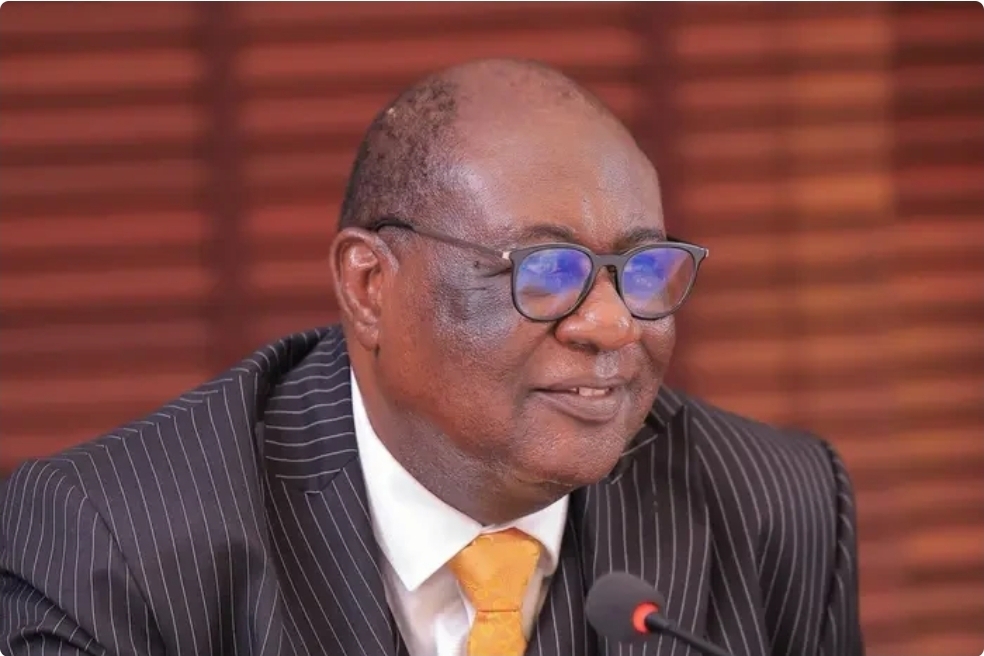 Government will not gazette Kijanangoma as King of Tooro for now - Attorney General insists
Ultimate Uganda
Government will not gazette Kijanangoma as King of Tooro for now - Attorney General insists
Ultimate Uganda
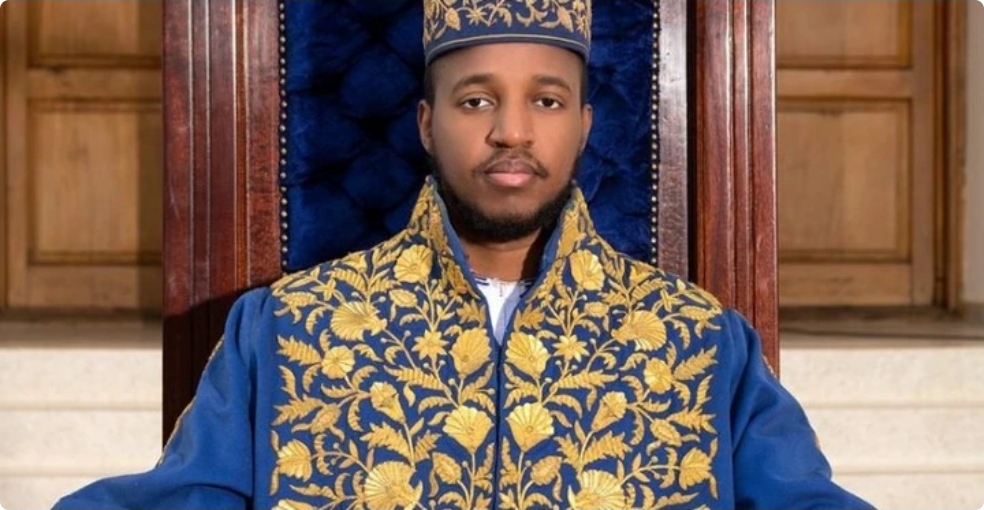 King Oyo’s Body to Arrive Thursday
Ultimate Uganda
King Oyo’s Body to Arrive Thursday
Ultimate Uganda
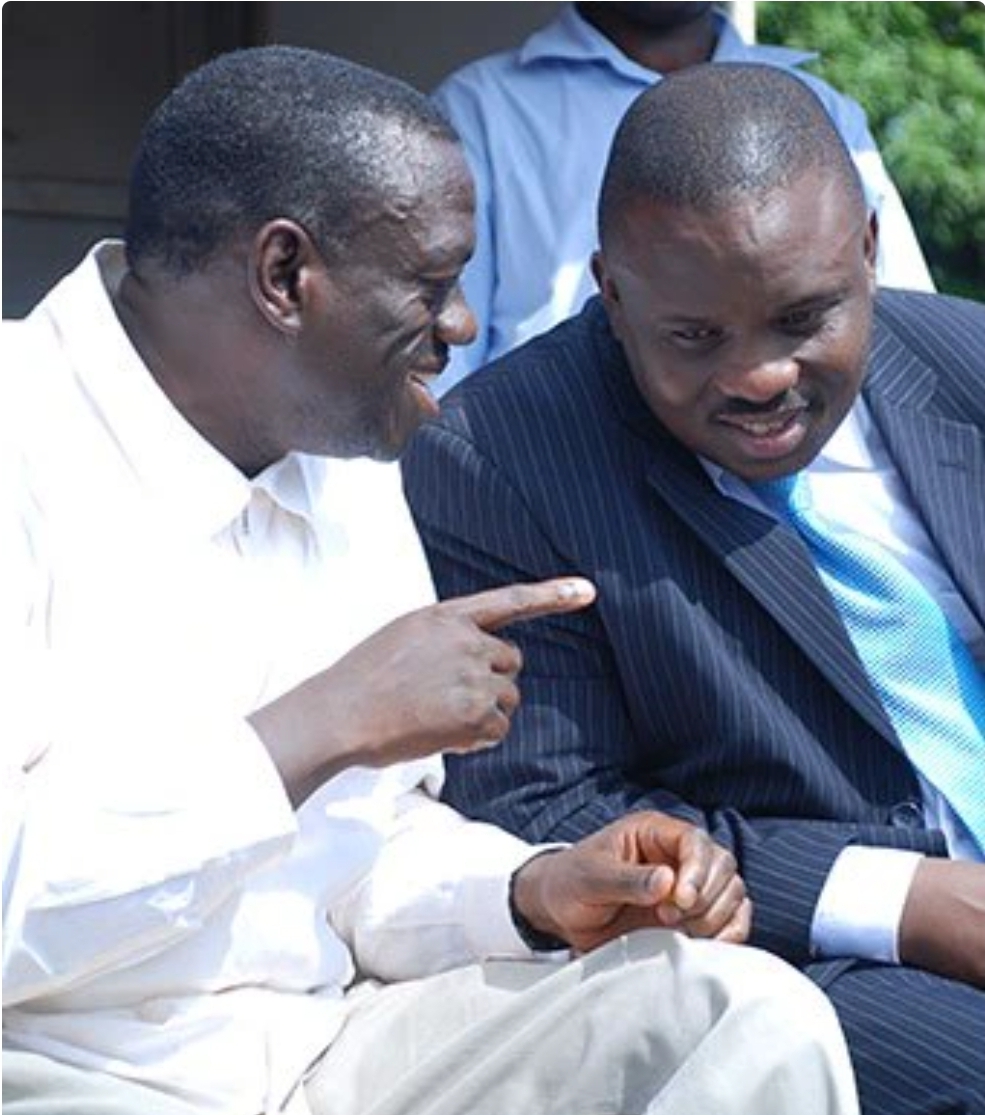 Besigye, Lukwago expected to meet Gen. Salim Saleh today at Kapeeke
Ultimate Uganda
Besigye, Lukwago expected to meet Gen. Salim Saleh today at Kapeeke
Ultimate Uganda
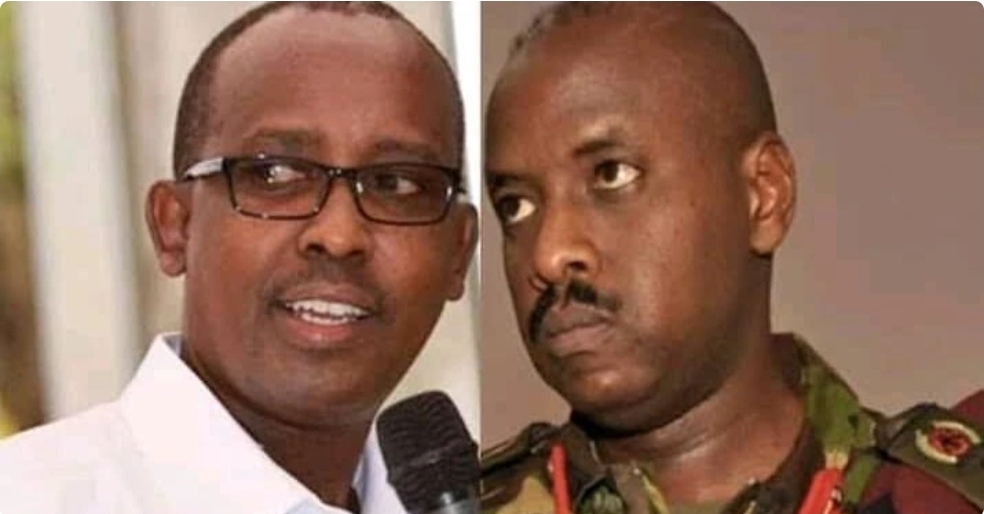 Rwabwogo Advised to ‘Eat His Bishop’ As MK Prepares to Enter State H’se: PREZ MUSEVENI ON HIS WAY OUT
Ultimate Uganda
Rwabwogo Advised to ‘Eat His Bishop’ As MK Prepares to Enter State H’se: PREZ MUSEVENI ON HIS WAY OUT
Ultimate Uganda
0 Comments