
Heavy Security Presence Shows Post-Election Calm is Artificial- MP Ssemujju Nganda
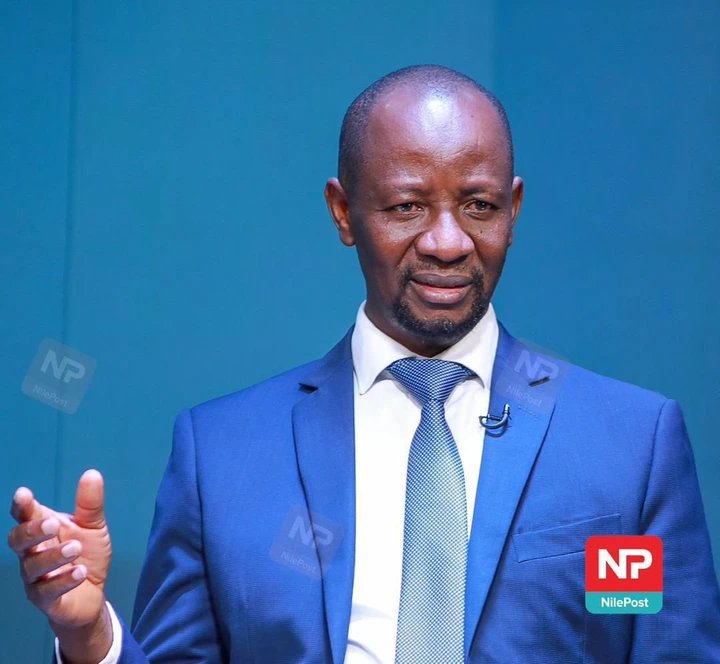

Outgoing Kira Municipality Member of Parliament and People’s Front for Freedom (PFF) Spokesperson Ibrahim Ssemujju Nganda has raised alarm over what he describes as a tense and deceptive post-election environment, warning that underlying public anger continues to simmer despite an outward appearance of calm.
Speaking during NBS Frontline on Thursday, Ssemujju painted a picture of a capital city still under heavy security presence. He noted that teargas units and anti-riot police trucks remain stationed at major roundabouts across Kampala, suggesting that authorities are far from confident about the country’s stability.
“There is pretence from the government. They want to portray that things are normal post-election, but their actions show otherwise. The continued deployment of security forces indicates they are behaving like suspects rather than leaders in control,†he said.
Ssemujju’s remarks come at a time when Uganda is navigating a fragile post-election period marked by political tension, growing calls for national dialogue, and deepening scepticism among citizens. According to Ssemujju, the calm currently observed is "artificial", adding that “the government knows that anger is brewing behind the scenes.â€
Ssemujju, who has participated in three electoral contests, did not hold back in his criticism of the recently concluded polls, describing them as the most poorly managed in his political career. He argued that the integrity of public institutions has been severely eroded, calling for urgent reforms starting from the highest office.
“You need to restore the integrity and image of public institutions, beginning with the presidency. People should engage institutions for solutions, not handouts,†he said.
Beyond electoral concerns, Ssemujju also highlighted ongoing demolitions across the country, reportedly carried out in the name of enforcing trade order. He questioned the fairness and practicality of such measures, particularly for vulnerable populations already living in impoverished conditions.
“These people being told to be orderly are sleeping in slums. Where do you expect them to start from?,†he said.
Meanwhile, opposition leaders—including figures aligned with the National Unity Platform—continue to insist that the electoral process was flawed. They are demanding comprehensive reforms, accountability, and guarantees of political freedoms. Their concerns have been further amplified by the continued absence of party president and former presidential candidate Robert Kyagulanyi Ssentamu, popularly known as Bobi Wine, who is currently abroad on international engagements and has been away from his home since the day after the polls.
While government officials maintain that the National Unity Platform is not under attack, critics question whether this reflects the lived political reality on the ground. Reports of quiet but intensive negotiations aimed at facilitating Bobi Wine’s safe return have circulated in recent weeks, though the NUP has publicly denied the existence of such talks.
Amid the uncertainty, religious leaders and elder statespersons have stepped forward to advocate for dialogue and reconciliation. They have urged both the government and opposition to prioritise national interests over partisan divisions. However, these efforts have so far yielded limited progress.
Public scepticism remains high, fuelled by the mixed outcomes of previous attempts at political dialogue. Many citizens and analysts question whether renewed calls for talks will produce meaningful reforms or merely serve as symbolic gestures without tangible outcomes.
As Uganda awaits clearer signals from key political actors, the central question persists: are both sides willing to create the conditions necessary for a sustainable resolution?
For now, national dialogue remains both a hopeful prospect and an uncertain path, as the country grapples with the lingering tensions and unresolved grievances of a contested electoral process.


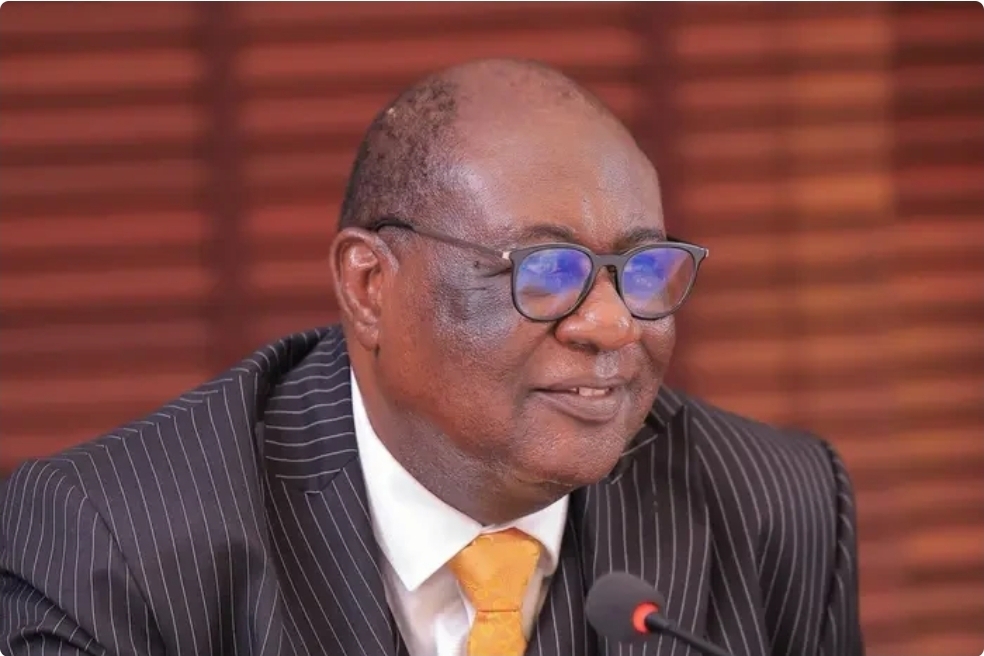 Government will not gazette Kijanangoma as King of Tooro for now - Attorney General insists
Ultimate Uganda
Government will not gazette Kijanangoma as King of Tooro for now - Attorney General insists
Ultimate Uganda
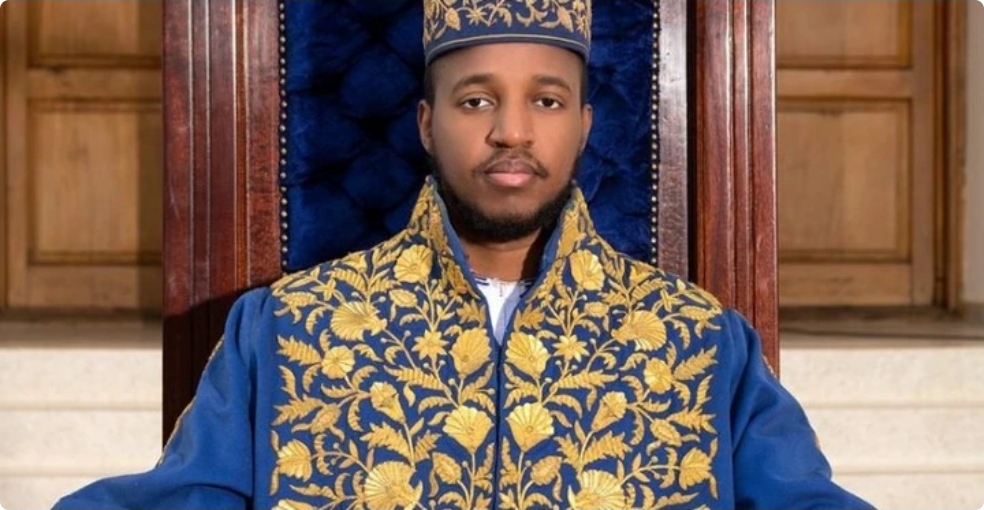 King Oyo’s Body to Arrive Thursday
Ultimate Uganda
King Oyo’s Body to Arrive Thursday
Ultimate Uganda
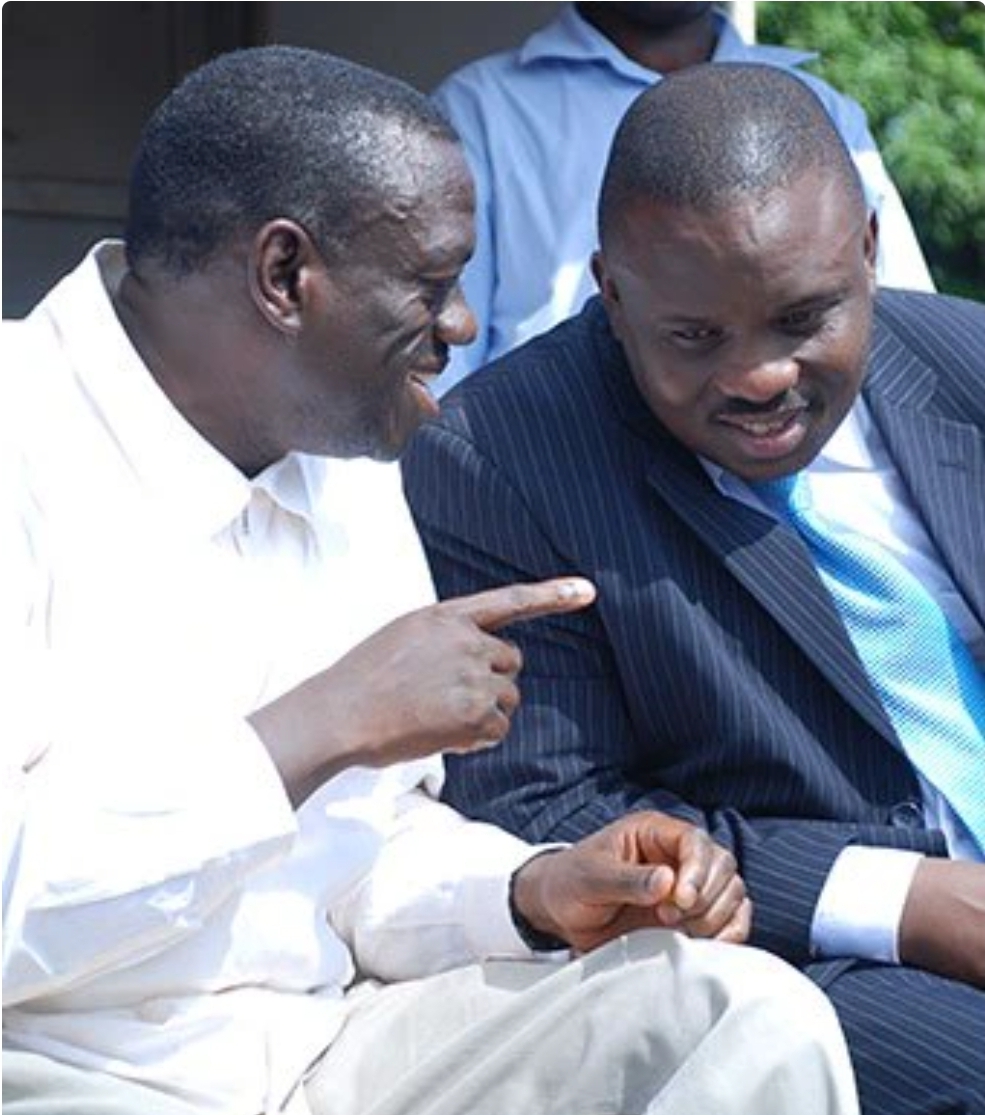 Besigye, Lukwago expected to meet Gen. Salim Saleh today at Kapeeke
Ultimate Uganda
Besigye, Lukwago expected to meet Gen. Salim Saleh today at Kapeeke
Ultimate Uganda
 Rwabwogo Advised to ‘Eat His Bishop’ As MK Prepares to Enter State H’se: PREZ MUSEVENI ON HIS WAY OUT
Ultimate Uganda
Rwabwogo Advised to ‘Eat His Bishop’ As MK Prepares to Enter State H’se: PREZ MUSEVENI ON HIS WAY OUT
Ultimate Uganda
0 Comments