
Nabbanja, Kadaga, Mao, Mpuuga: Key Figures Emerge in Museveni’s Cabinet Reshuffle Talks
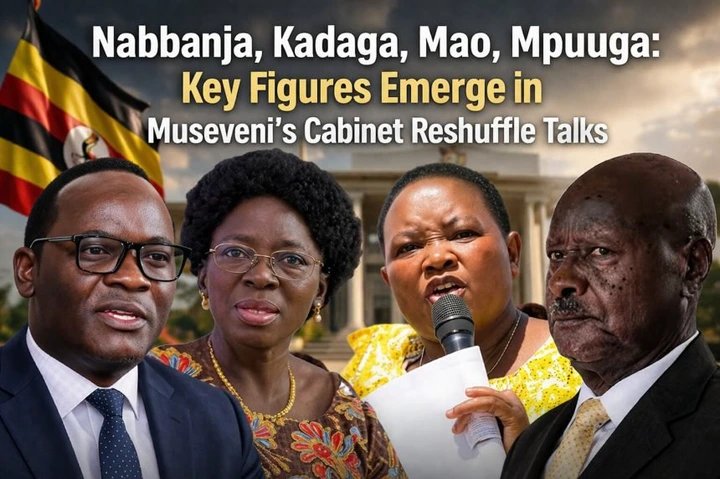

As Uganda edges closer to a new political phase, all eyes are on President Yoweri Museveni, who is considering a sweeping cabinet reshuffle that could redefine the country’s leadership landscape.
What began as quiet speculation has now evolved into intense political debate. Insider reports suggest that several ministers who recently lost their parliamentary seats are likely to be dropped from cabinet.
However, exceptions remain, particularly Hamson Obua, whose case is said to be under special consideration despite electoral setbacks.
The reshuffle is shaping up to be more than routine, it is being viewed as a strategic move aimed at consolidation, renewal, and succession within the ruling National Resistance Movement (NRM).
Names circulating through political corridors point to a careful balancing act: rewarding loyalty, maintaining regional representation, and preparing the next generation of leadership.
Among the most striking developments is the reported consideration of Norbert Mao for the position of Vice President, an appointment that would signal a bold political recalibration, given his opposition roots and recent alignment with government.
Key Figures at the Centre
The proposed cabinet lineup highlights continuity in some areas and change in others:
Vice President: Norbert Mao
Prime Minister: Robinah Nabbanja
1st Deputy Prime Minister: Rebecca Kadaga
2nd Deputy Prime Minister: Harunah Kasolo
3rd Deputy Prime Minister: Lukia Nakadama
Key ministries also reflect a mix of experienced figures and emerging actors:
Education & Sports: Janet Kataha Museveni
Defence: Jim Muhwezi
Finance: David Bahati
Foreign Affairs: Mathias Mpuuga
Health: Dr Diana Atwine
Internal Affairs: Gen Kahinda Otafiire
Meanwhile, influential figures like Chris Baryomunsi (ICT), Judith Nabakooba (Lands), and Frank Tumwebaze (Agriculture) are expected to retain strategic roles.
The reshuffle narrative is also defined by its silent undertones who exits, who rises, and who is repositioned.
Reports suggest that defeated MPs in cabinet positions, such as those in education and other sectors, may face removal. At the same time, new entrants like Phionah Nyamutoro (Technology & Innovation) signal a shift toward youth inclusion and modernization.
Equally notable is the possible reassignment of the Government Chief Whip role to Amelia Kyambadde, a move that could strengthen parliamentary coordination.
Beyond individual appointments, the reshuffle reflects deeper strategic calculations:
Consolidating political alliances, including integrating former opposition figures
Balancing regional and demographic representation
Preparing for long-term succession within the NRM
Reinforcing service delivery through experienced technocrats
While the circulating list may not be final, it offers a revealing glimpse into the thinking at the highest levels of power. Whether all names materialize or not, one thing is clear: this reshuffle could mark a turning point in Uganda’s governance.
As the country waits for official confirmation, the question remains, will this be a moment of renewal or merely a reconfiguration of familiar power structures?


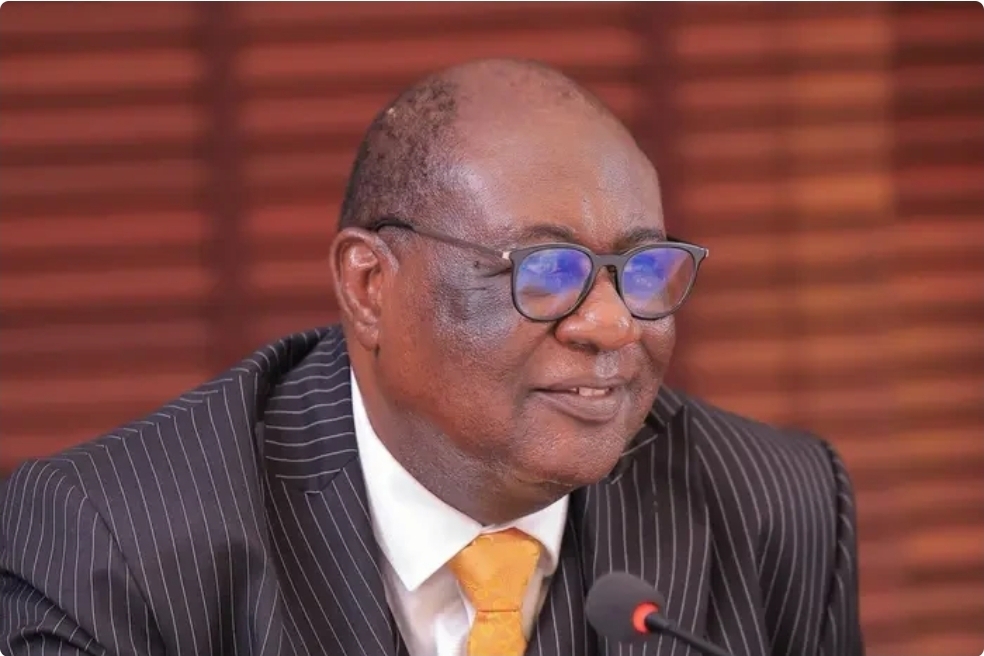 Government will not gazette Kijanangoma as King of Tooro for now - Attorney General insists
Ultimate Uganda
Government will not gazette Kijanangoma as King of Tooro for now - Attorney General insists
Ultimate Uganda
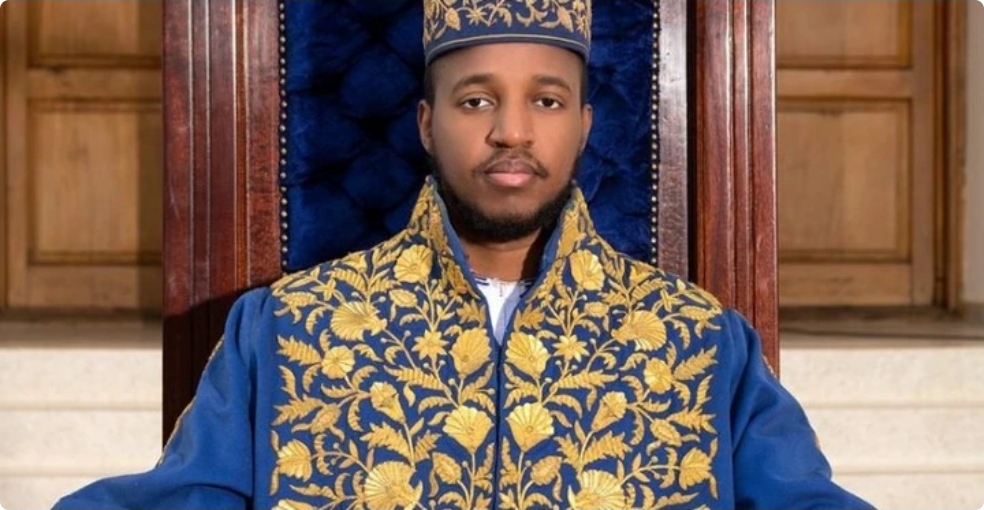 King Oyo’s Body to Arrive Thursday
Ultimate Uganda
King Oyo’s Body to Arrive Thursday
Ultimate Uganda
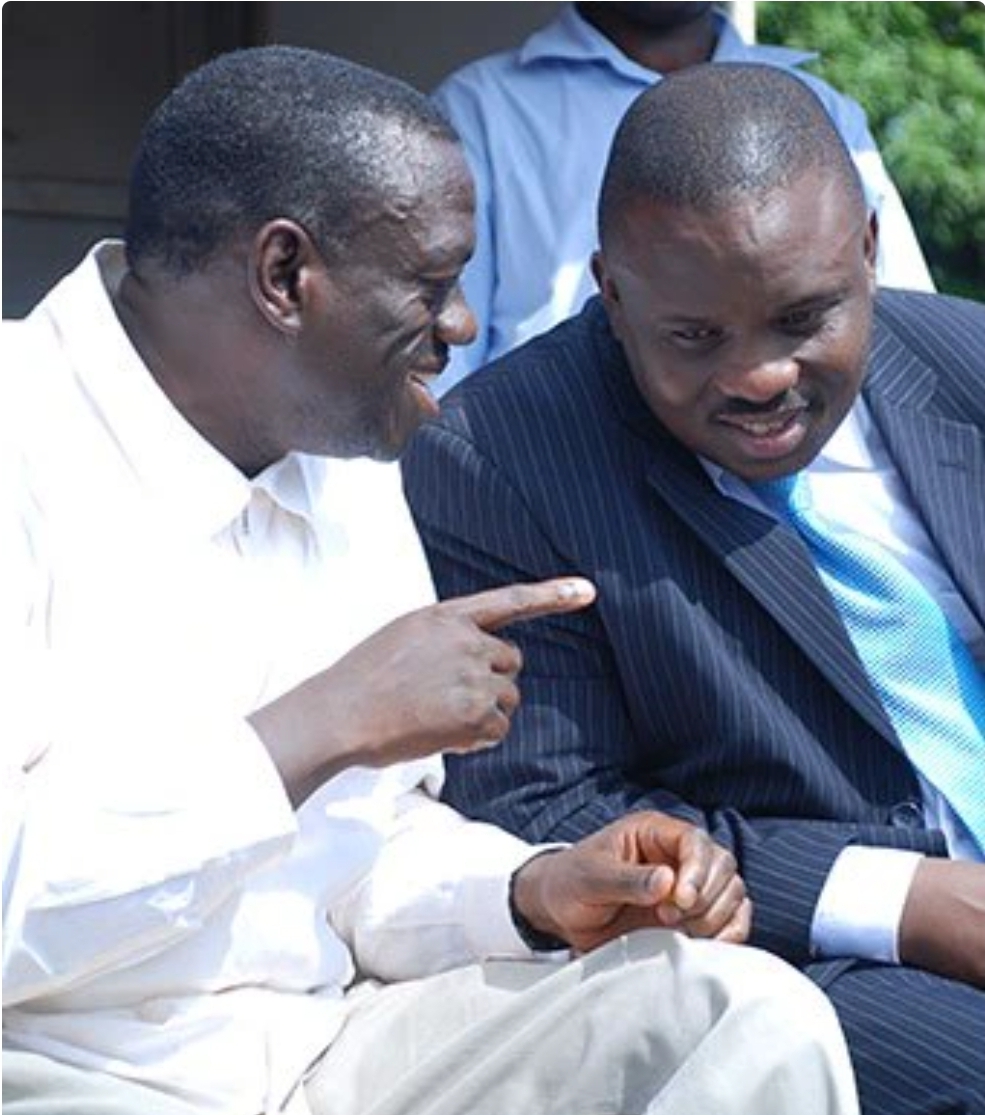 Besigye, Lukwago expected to meet Gen. Salim Saleh today at Kapeeke
Ultimate Uganda
Besigye, Lukwago expected to meet Gen. Salim Saleh today at Kapeeke
Ultimate Uganda
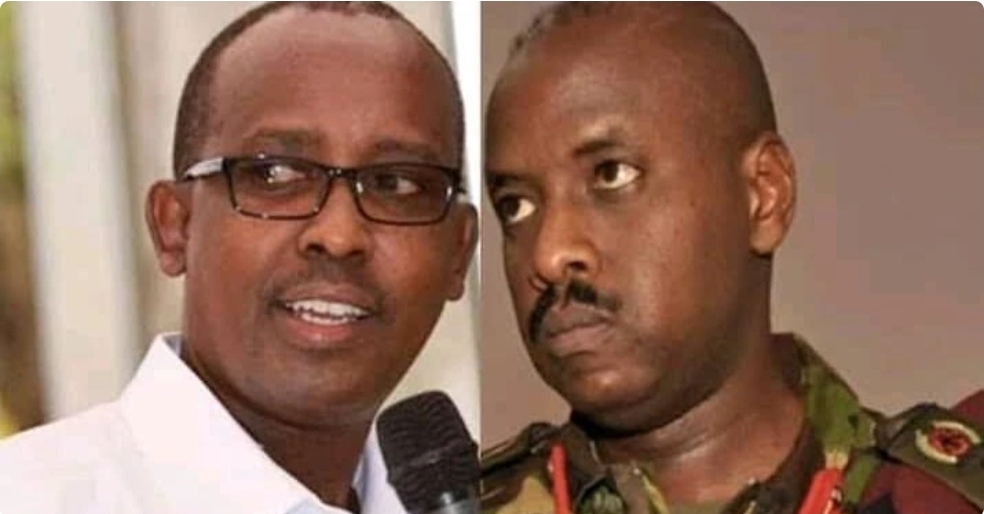 Rwabwogo Advised to ‘Eat His Bishop’ As MK Prepares to Enter State H’se: PREZ MUSEVENI ON HIS WAY OUT
Ultimate Uganda
Rwabwogo Advised to ‘Eat His Bishop’ As MK Prepares to Enter State H’se: PREZ MUSEVENI ON HIS WAY OUT
Ultimate Uganda
0 Comments