
Why US killed Iranian leaders? White House says they ‘lied to us'
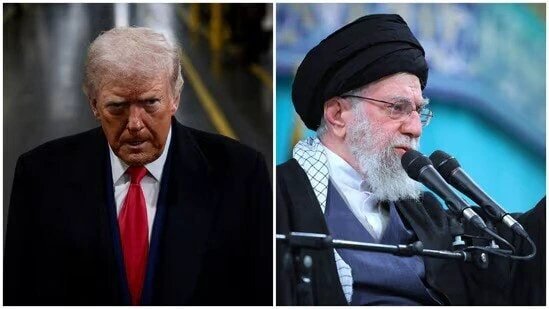

White House Press Secretary Karoline Leavitt said on Tuesday that some Iranian leaders were “no longer on planet Earth†because they had lied to the US and prolonged negotiations.
White House Press Secretary Karoline Leavitt said on Tuesday that some Iranian leaders were “no longer on planet Earth†because they had lied to the US and prolonged negotiations.
White House Press Secretary Karoline Leavitt said on Tuesday that some Iranian leaders were “no longer on planet Earth†because they had lied to the US and prolonged negotiations.
Her remarks came after the White House on Monday downplayed Iran’s pessimistic response to its 15-point proposal, which Tehran’s foreign ministry had described as “unrealistic, illogical and excessive.â€
“Some of the previous leaders are now no longer on planet Earth because they lied to the United States and they strung us along in negotiations, and that was unacceptable to the president, which is why many of the previous leaders were killedâ€
Leavitt said that what Tehran says publicly differs from what it communicates privately to US officials, adding that Iran had agreed to some of Washington’s points behind closed doors.
"Some of the previous leaders are now no longer on planet Earth because they lied to the United States and they strung us along in negotiations, and that was unacceptable to the president, which is why many of the previous leaders were killed," she said.
Iran says no progress, Leavitt says Iran ‘eager’
Asked how the US would ensure it is making a deal with individuals capable of implementing it, Leavitt said Washington would test Iran’s private commitments and ensure accountability.
"If they are not, the President has laid out the military consequences that the Iranian regime will see if they don't hold true to the words that we are hearing privately behind the scenes," she said.
She added that despite Iran’s public stance suggesting talks are not progressing, negotiations are ongoing and showing positive signs.
"Despite all of the public posturing you hear from the regime and false reporting, talks are continuing and going well. What is said publicly is, of course, much different than what's being communicated to us privately," Leavitt said.
Despite Iran consistently saying peace talks aren't progressing, Leavitt said Tehran was "increasingly eager" to negotiate and had agreed to "some of the points" put forward by Washington.
"These folks are appearing more reasonable behind the scenes," she added.
She also said the US is "conducting more intense, targeted strikes with devastating combat power with each passing day" and that American operations are proceeding "according to plan".
What is happening in the US-Iran war?
US President Donald Trump on Monday threatened widespread destruction of Iran’s energy infrastructure and other critical facilities, including desalination plants, if a deal to end the conflict is not reached “shortly.â€
Trump also said the US is negotiating with Iran’s parliamentary speaker, Mohammad Bagher Qalibaf, in an interview with the New York Post published Monday. The former Revolutionary Guard commander, however, has denied that Iran is in talks with the US, stating that Pakistan-facilitated discussions were merely a cover for American troop deployments.
Meanwhile, Israel has invaded southern Lebanon in an effort to push back Iran-backed Hezbollah militants, who have been launching rockets and drones across the border. Israeli officials have indicated that the operation could turn into a prolonged occupation. Three UN peacekeepers were killed in southern Lebanon in less than 24 hours, although responsibility for the incident remains unclear.


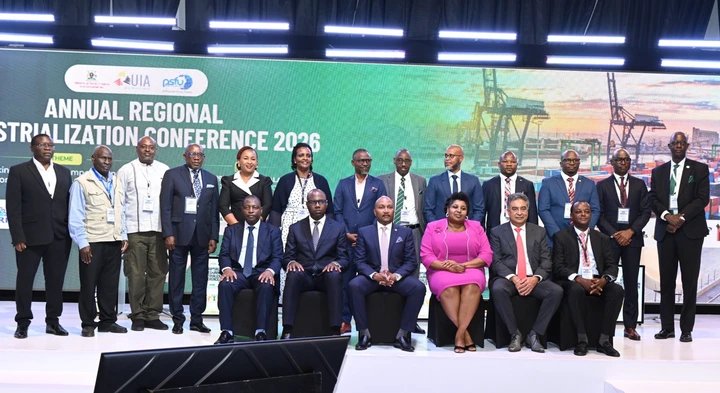 DRC opposition urges Tshisekedi to abandon constitutional changes
Ultimate Uganda
DRC opposition urges Tshisekedi to abandon constitutional changes
Ultimate Uganda
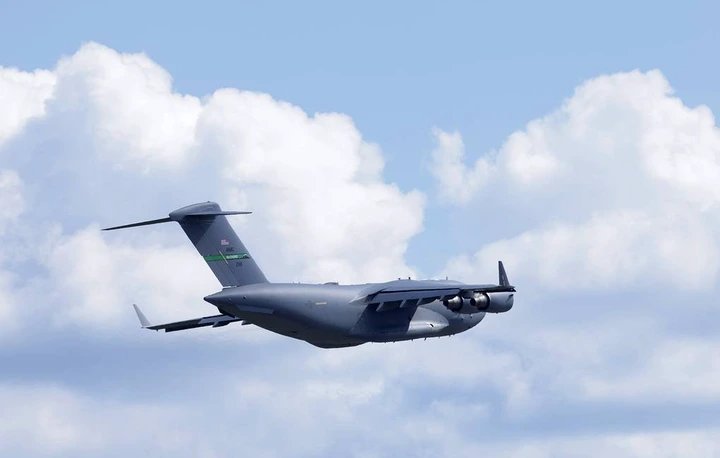 US military transport plane lands in Moscow
Ultimate Uganda
US military transport plane lands in Moscow
Ultimate Uganda
 Putin puppet slaps UK with terrifying 2-word warning over drone factories
Ultimate Uganda
Putin puppet slaps UK with terrifying 2-word warning over drone factories
Ultimate Uganda
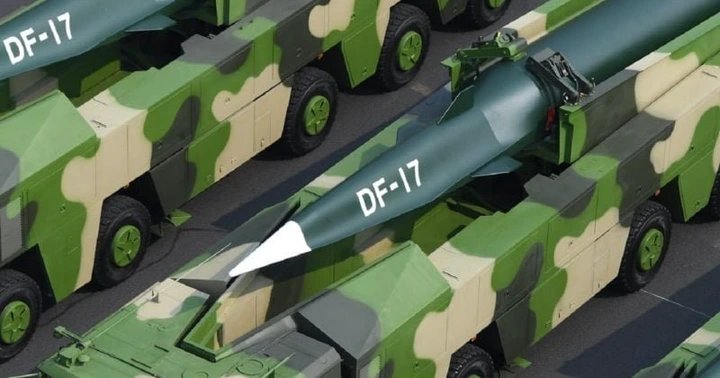 China develops hypersonic weapon to hunt US command aircraft thousands of miles away
Ultimate Uganda
China develops hypersonic weapon to hunt US command aircraft thousands of miles away
Ultimate Uganda
0 Comments