
Yusuf Nsibambi says Opposition Politics is Full of Intrigue, Blackmail After Defecting to NRM
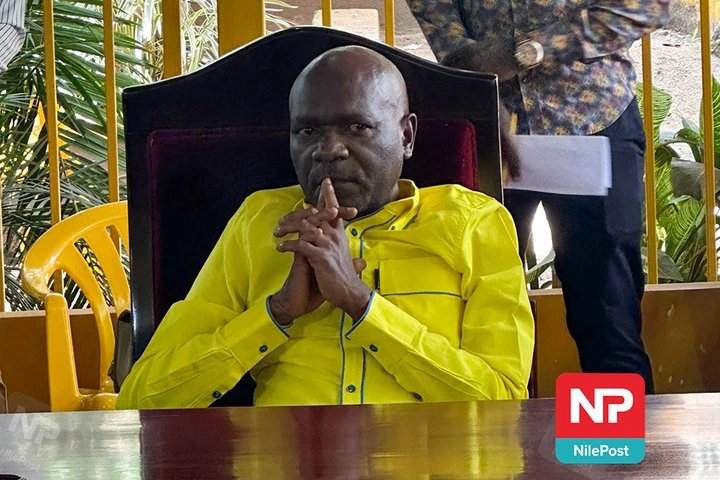

Outgoing Mawokota South Member of Parliament, Yusuf Nsibambi, has described his recent defection to the ruling National Resistance Movement (NRM), as a liberating shift from opposition politics, adding that Uganda’s opposition lacks direction.
Speaking during NBS Morning Breeze on Tuesday, Nsibambi described his transition from opposition politics as both liberating and stabilizing.
“The new look is very comfortable. In a few weeks in NRM, I'm already gaining weight. I feel better now,†he said, adding that he was relieved to leave what he termed “politics of intrigue and blackmail.â€
Nsibambi, who previously served as Deputy President for the Central Region in the Forum for Democratic Change (FDC), also took aim at the broader opposition, particularly the National Unity Platform (NUP), arguing that it lacks cohesion and ideological clarity, claiming there is little prospect for a unified coalition.
“My interaction with members of the opposition gives me the feeling that right now, there cannot be a coalition of opposing voices,†he said.
Nsibambi further criticized NUP, asserting that the party “doesn’t have any critical agenda or political identity,†and alleging that it operates without a formal constitution or structured internal processes.
Nsibambi revealed frustrations from his time in the shadow cabinet, stating that opposition leaders failed to convene and agree on common positions over several years.
“Throughout four or five years, we have never sat as the opposition to agree on any position,†he said, referencing disagreements surrounding parliamentary protests over the UPDF and Political Parties bills.
In recent months, Nsibambi was welcomed at the NRM headquarters by Speaker of Parliament Anita Annet Among and NRM Secretary General Richard Todwong. Clad in the party’s signature yellow attire, Nsibambi declared his readiness to serve the ruling party, citing long-standing dissatisfaction with opposition politics.
Nsibambi’s defection came shortly after he lost his parliamentary seat in the January 15, 2026 general elections to NRM candidate Suzan Kawuki. Weeks before crossing over, he led a delegation of opposition politicians to a closed-door meeting with President Museveni at State House, where discussions reportedly focused on national stability, reconciliation, and post-election tensions.
The move drew criticism within opposition ranks, with some accusing him of acting unilaterally.
FDC President Patrick Oboi Amuriat described Nsibambi’s departure as “disappointing but not surprising,†noting that concerns had already been raised about his conduct, including public criticism of the party and alleged unauthorized engagements with the President.
Amuriat dismissed claims that Nsibambi’s exit would weaken FDC, pointing to previous high-profile departures that did not destabilize the party.
Nsibambi’s move added to a growing list of former FDC members who have joined the NRM, including Among and other senior figures, fueling debate about the party’s long-term trajectory and the shifting dynamics within Uganda’s opposition.
Nsibambi’s defection comes at a time when Uganda is grappling with the aftermath of the 2026 general elections. Opposition leaders continue to contest the credibility of the electoral process, demanding reforms, accountability, and greater political freedoms. Meanwhile, Robert Kyagulanyi Ssentamu, former NUP presidential candidate, remains abroad on international engagements, with his prolonged absence raising questions about opposition coordination at home.
Calls for national dialogue have intensified, with religious leaders and elder statespersons urging both government and opposition to prioritize national unity over partisan interests. However, skepticism persists among sections of the public, given the mixed outcomes of previous political negotiations.
Although reports have suggested quiet engagements between NUP and the government to facilitate Kyagulanyi’s safe return, the party has denied any such talks.
As Uganda navigates this uncertain post-election landscape, the central question remains whether key political actors are willing to create the conditions necessary for meaningful dialogue and lasting stability.


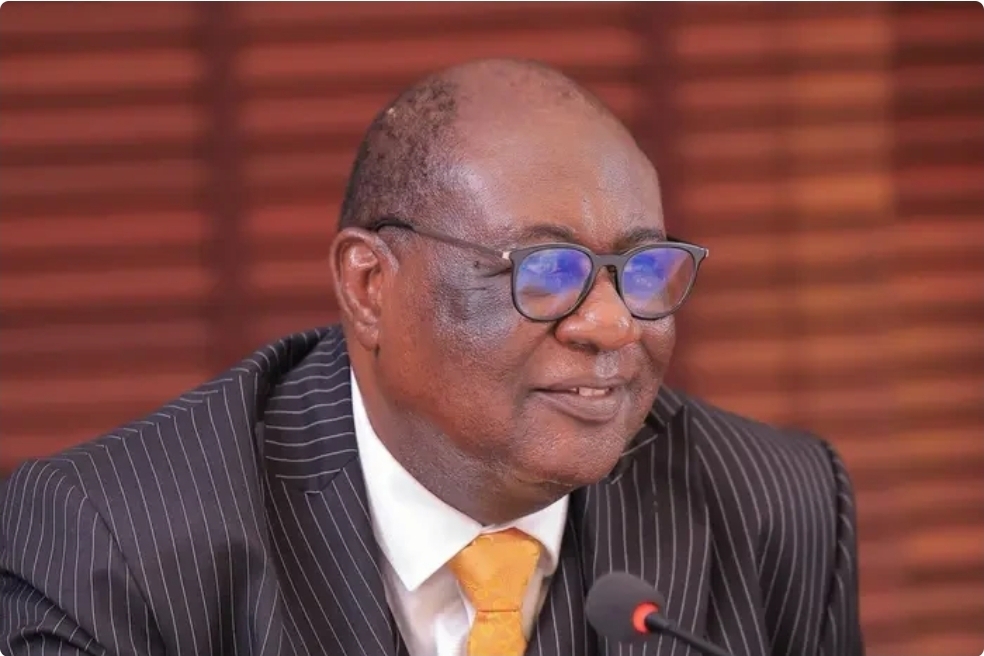 Government will not gazette Kijanangoma as King of Tooro for now - Attorney General insists
Ultimate Uganda
Government will not gazette Kijanangoma as King of Tooro for now - Attorney General insists
Ultimate Uganda
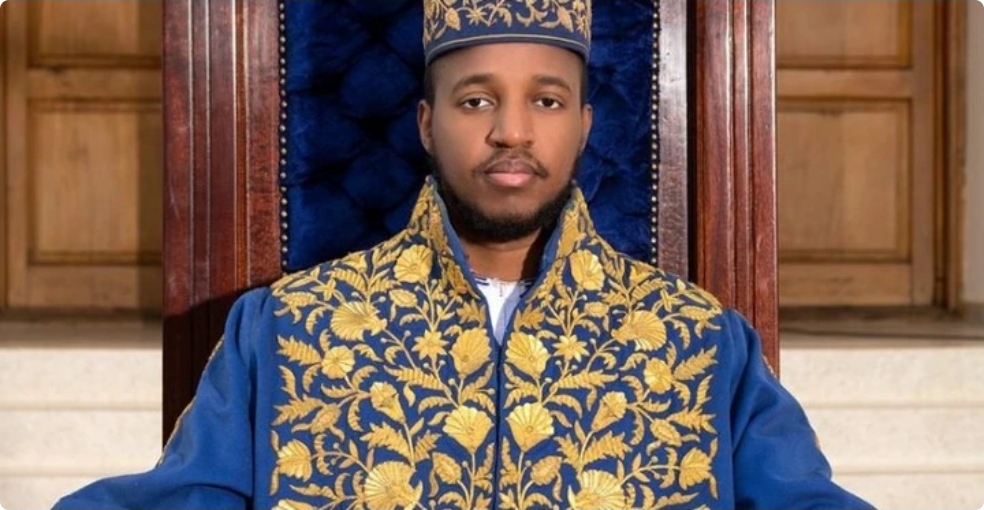 King Oyo’s Body to Arrive Thursday
Ultimate Uganda
King Oyo’s Body to Arrive Thursday
Ultimate Uganda
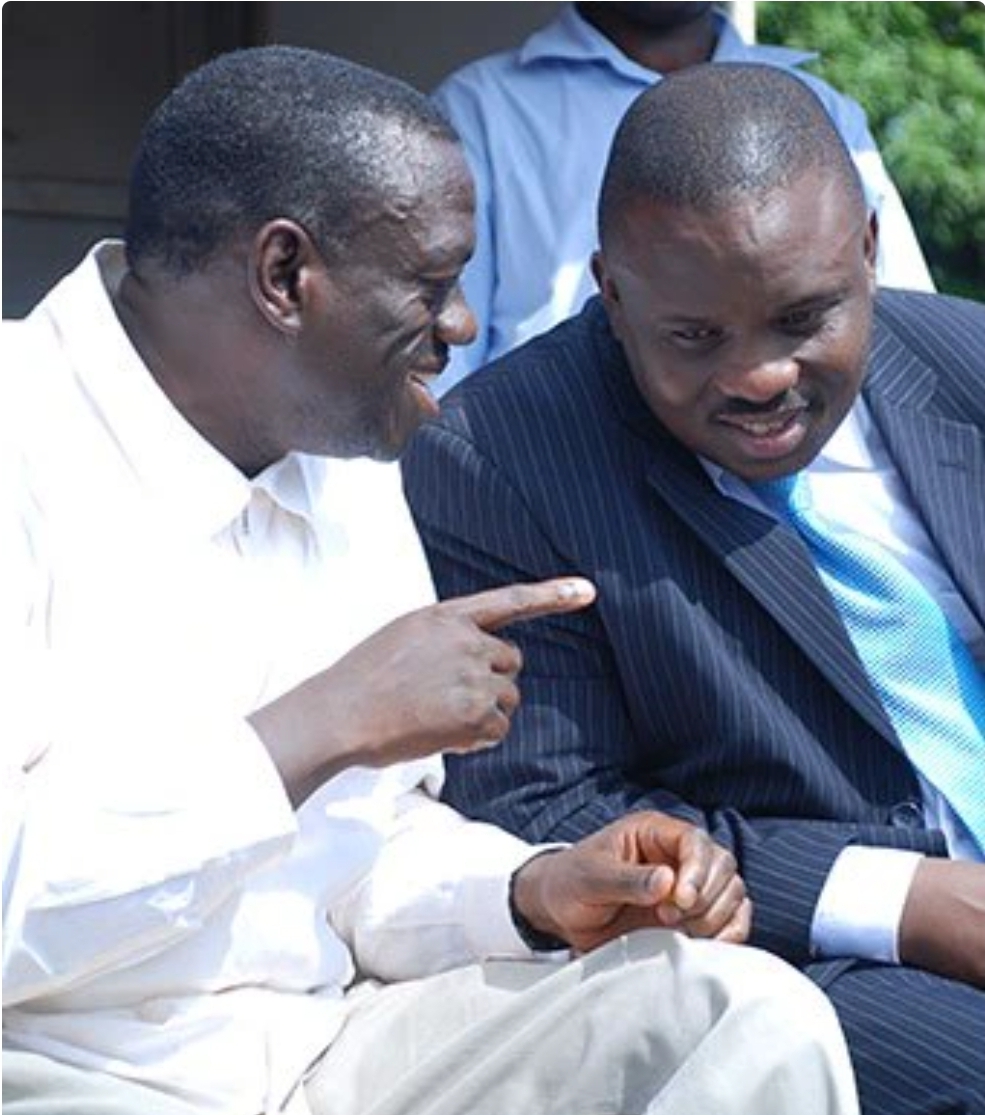 Besigye, Lukwago expected to meet Gen. Salim Saleh today at Kapeeke
Ultimate Uganda
Besigye, Lukwago expected to meet Gen. Salim Saleh today at Kapeeke
Ultimate Uganda
 Rwabwogo Advised to ‘Eat His Bishop’ As MK Prepares to Enter State H’se: PREZ MUSEVENI ON HIS WAY OUT
Ultimate Uganda
Rwabwogo Advised to ‘Eat His Bishop’ As MK Prepares to Enter State H’se: PREZ MUSEVENI ON HIS WAY OUT
Ultimate Uganda
0 Comments