
Decision to Join NRM was Personal-Yusuf Nsibambi
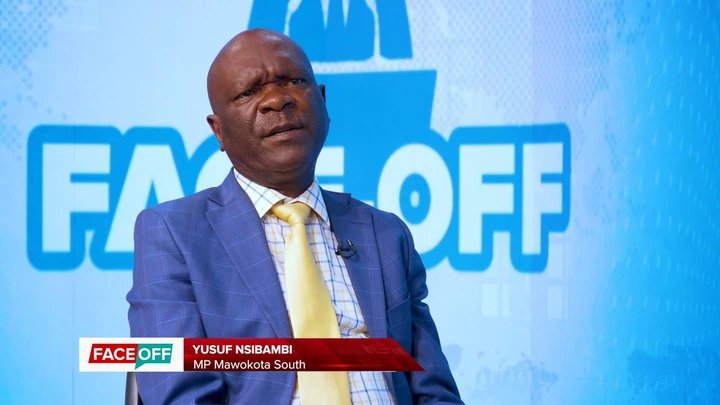

Outgoing Mawokota South Member of Parliament, Yusuf Nsibambi, has stated that his decision to join the the ruling National Resistance Movement (NRM) was personal and followed more than two decades of involvement in opposition politics.
Speaking to Canary Mugume during NBS Face Off on Sunday, Nsibambi said his interactions with President Museveni ahead of the 2026 general elections, and the circumstances that led to his eventual alignment with the ruling party.
“I also didn’t expect to be wearing a yellow necktie, but after interacting with the President before the elections, I realized that it was late but better late than never,†he said.
Nsibambi that his departure from opposition politics came after approximately 25 years of activism, emphasizing that he did not originally intend to leave the political side he had long been associated with.
He also linked part of his political reassessment to the outcome of the January 15, 2026 general elections, in which he lost his parliamentary seat to NRM candidate Suzan Kawuki.
Nsibambi indicated that his engagement with the President began before the elections and later continued in the aftermath of his defeat, which he said prompted deeper reflection on his political future.
According to him, one of the key issues discussed during his interactions with the Head of State was not party politics but matters relating to political prisoners and national dialogue.
Nsibambi noted that although media reports of his opposition talks with the President talks suggested a smaller group, the meeting included 17 participants in total.
“The meeting we had at State House that appeared in the media I went with three Members of Parliament on the NUP ticket, some members of DF, and other independents. In the picture, we appear to be 10, but 17 people attended that meeting,†he said.
During the discussions, he said the President expressed caution about intervening in cases involving individuals who had not yet been convicted, noting that the matters were still before courts of law.
Nsibambi added that the State House meeting, which later attracted media attention, focused primarily on issues of reconciliation and post-election tensions rather than political defection.
Nsibambi’s shift to the ruling party was later made public when he was received at the NRM headquarters by Speaker of Parliament Anita Annet Among and NRM Secretary General Richard Todwong, where he declared his readiness to work with the government after years in opposition politics.
Nsibambi’s move followed shortly after losing his parliamentary seat and has since drawn criticism from sections of the opposition.
Forum for Democratic Change (FDC) President Patrick Oboi Amuriat described Nsibambi’s departure as “disappointing but not surprising,†arguing that concerns about his conduct had previously been raised within the party.
Amuriat, however, maintained that Nsibambi’s exit would not weaken the opposition party, noting that it had survived similar departures in the past.
Nsibambi’s defection adds to a growing trend of former opposition figures joining the NRM, a development that continues to shape debate on Uganda’s evolving political landscape and the long-term strength of opposition politics.


 Government will not gazette Kijanangoma as King of Tooro for now - Attorney General insists
Ultimate Uganda
Government will not gazette Kijanangoma as King of Tooro for now - Attorney General insists
Ultimate Uganda
 King Oyo’s Body to Arrive Thursday
Ultimate Uganda
King Oyo’s Body to Arrive Thursday
Ultimate Uganda
 Besigye, Lukwago expected to meet Gen. Salim Saleh today at Kapeeke
Ultimate Uganda
Besigye, Lukwago expected to meet Gen. Salim Saleh today at Kapeeke
Ultimate Uganda
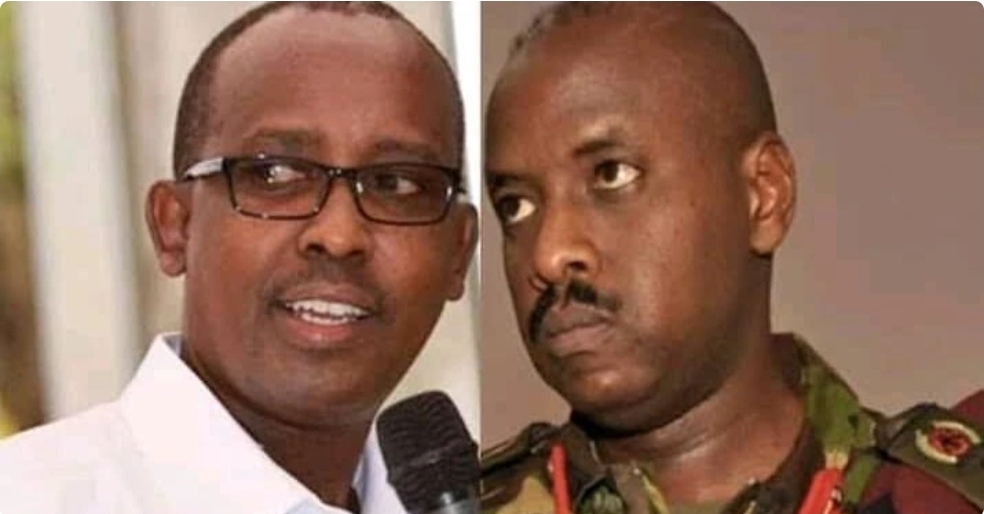 Rwabwogo Advised to ‘Eat His Bishop’ As MK Prepares to Enter State H’se: PREZ MUSEVENI ON HIS WAY OUT
Ultimate Uganda
Rwabwogo Advised to ‘Eat His Bishop’ As MK Prepares to Enter State H’se: PREZ MUSEVENI ON HIS WAY OUT
Ultimate Uganda
0 Comments