
POLICE: No cattle theft in Karamoja; only cattle rustling
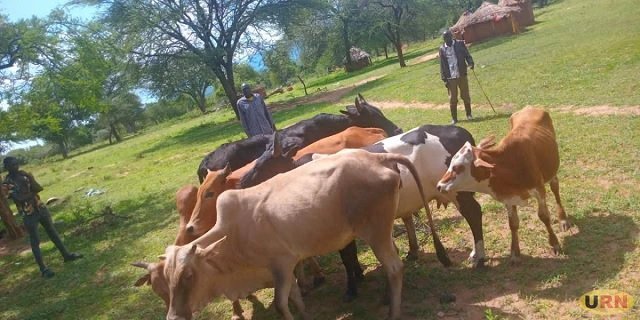

Cattle rustling in Karamoja fell by 12.9% in 2025, with joint security forces recovering 2,197 of the 2,375 cattle stolen, according to new police statistics.
However, the same report recorded zero cases of animal theft in the sub-region, sparking concern from local leaders who say thefts occur daily.
Police annual crime report shows 7,208 cases of animal theft reported country wide in 2025, compared to 7,222 in 2024, a 0.2% decrease. Nationally, 9,381 animals were stolen, of which 4,347 were recovered, and 5,034 were not.
By region, Rwizi registered the highest number of animal theft cases with 857, followed by North Kyoga with 498, Rwenzori West with 428, and Albertine South with 47. At the district level, Isingiro led with 165 cases, followed by Tororo with 161, Yumbe with 153, and Kazo with 148.
Francis Chemusto, Commandant of the Anti-Stock Theft Unit (ASTU), said Karamoja was not captured under animal theft in the report because security forces classify incidents there as rustling, not theft.
“Cattle rustling involves violence in taking the animals, while theft is when cows are taken without the knowledge of the owners,†Chemusto explained.
He added that rustling sometimes occurs when raiders find only children grazing and abduct them with the cattle before releasing them later.
Chemusto noted that while animals in other regions were often stolen and loaded into trucks, warriors in Karamoja were stealing fewer than five cattle per incident, which joint forces recovered immediately.
He said the figures reflect progress under Usalama Kwa Wote operations, with high recovery rates due to coordination between security forces and leaders.
In 2025, Karamojong warriors murdered 4 security personnel and injured 12. Eighteen civilians were killed, three were injured, and two were abducted. Security forces recovered 141 guns and 419 rounds of ammunition.
Chemusto warned that raids have continued in Bulambuli, Kween, and Bukwo districts by warriors from Nakapiripirit and Nabilatuk. He urged local leaders to embark on peace dialogues and work closely with security to prevent escalation.
However, Denis Okori, Amudat Resident District Commissioner, questioned why police recorded no animal theft in Karamoja.
“It would be a surprise to talk about other regions when Karamoja is the backbone of animal theft. There are so many thefts happening and being reported to the police. If it’s not captured in the national database, then it means reports are not submitted,†Okori said.
Okori acknowledged a general decrease in insecurity but said isolated cases must be addressed before they escalate. “We record cattle theft daily. A report of no cattle theft in the region is shocking, and it should be taken seriously,†he said.
Okori urged security forces and leaders to maintain vigilance, warning; “Wrong people are closely monitoring the gaps in security so they can resume attacks.â€
He applauded the joint forces for swift recoveries and handovers of cattle to owners, saying it has reduced revenge attacks and built community trust.
As of Friday, 10th April, the joint security forces in Amudat district successfully recovered 8 head of cattle stolen from Benson Chesamai, a resident of Tolwomoi village, Kween district.
It’s reported that Chesamai’s 8 cattle were stolen by unknown thieves on April 8th, 2026. The joint security forces launched an operation, recovering 1 calf from Naprokocha, Karita sub-county, and later recovered 5 more cattle on April 9th.
Chesamai confirmed the recovered cattle as his own and also revealed that he had recovered 2 additional cattle from around his place, making a total of 8 cattle returned.
All the cattle were later handed over the cattle to the owner on 10th April at Karita ASTU Detach in Amudat district.


 The women who have been in King Oyo’s life
Ultimate Uganda
The women who have been in King Oyo’s life
Ultimate Uganda
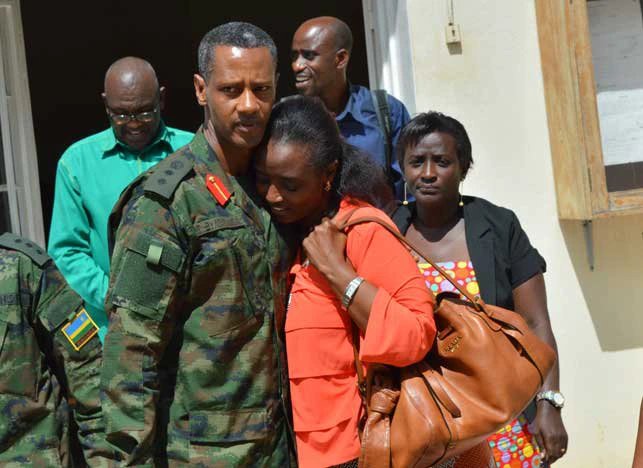 Ex Kagame Guard Commander Tom Byabagamba Dies in Rwandan Prison After 12 Years
Ultimate Uganda
Ex Kagame Guard Commander Tom Byabagamba Dies in Rwandan Prison After 12 Years
Ultimate Uganda
 Government begins salary payments for public sector workers – Reform Committee
Ultimate Uganda
Government begins salary payments for public sector workers – Reform Committee
Ultimate Uganda
 Temangalo land: NSSF, Nzenyi reach agreement
Ultimate Uganda
Temangalo land: NSSF, Nzenyi reach agreement
Ultimate Uganda
0 Comments