
NCHE Bars Honorary Degree Holders From Using ‘Dr.’ Title, Cites Academic Integrity
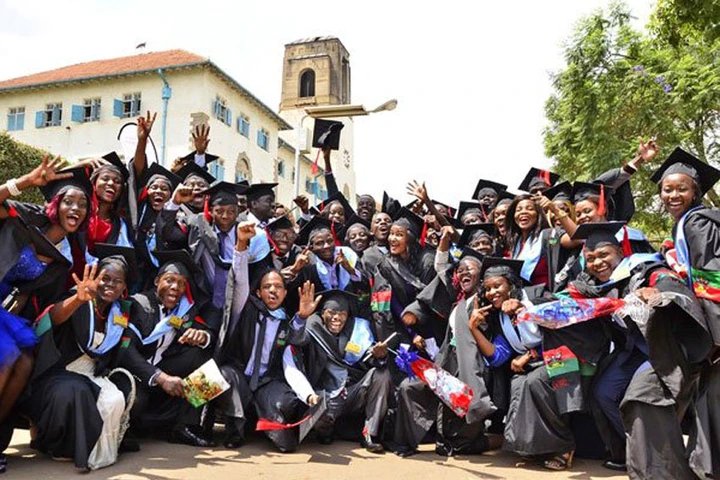

Kampala, Uganda – The National Council for Higher Education (NCHE) has issued fresh guidance prohibiting recipients of honorary doctorates from using the title “Doctor†in academic, professional or official settings, in a move aimed at protecting the integrity of Uganda’s higher education system.
In a statement signed by NCHE Chairperson Prof. Joy C. Kwesiga, the Council clarified that honorary degrees (Honoris Causa) are ceremonial awards bestowed in recognition of outstanding contributions to society and should not be treated as academic qualifications.
The directive comes amid growing concern over the increasing number of politicians, business executives, religious leaders and other public figures who have adopted the title “Dr.†after receiving honorary doctorates.
According to the Council, an honorary doctorate does not involve the rigorous academic process required to earn a Doctor of Philosophy (PhD), including supervised research, thesis writing, examination and successful defense before qualified academic panels.
“Recipients of honorary doctorates should not use the title ‘Doctor’ or the abbreviation ‘Dr.’ in academic, professional, or work-related contexts,†the Council stated.
Instead, recipients are advised to clearly indicate the honorary nature of the award by using the appropriate designation, such as LLD (Hon. Causa) or DSc (Hon. Causa), depending on the category of the recognition.
Accredited Institutions Only
The NCHE further clarified that honorary doctorates may only be conferred by accredited Ugandan higher education institutions. These include public universities, public degree-awarding institutions, private chartered universities and other accredited private degree-awarding institutions.
The Council also outlined the common categories of honorary degrees awarded in Uganda, including:
Doctor of Laws (LLD Honoris Causa) for distinguished public service and leadership.
Doctor of Letters (DLitt Honoris Causa) for exceptional contributions to the humanities, arts and literature.
Doctor of Science (DSc Honoris Causa) for outstanding achievements in science and innovation.
Protecting Academic Integrity
NCHE said the guidance is intended to eliminate misrepresentation and preserve the value of earned academic qualifications.
The Council warned that honorary awards should not be used to gain undue advantage in public office, employment, appointments to government boards, academic institutions or other professional engagements.
The latest directive reinforces earlier public notices issued by the Council, including guidance published in national newspapers in 2023. However, the continued misuse of honorary titles appears to have prompted the regulator to reiterate its position.
Academics Welcome the Move
The guidance has been welcomed by sections of Uganda’s academic community, who have long argued that the widespread use of the “Dr.†title by honorary degree recipients diminishes the value of qualifications earned through years of research and scholarship.
Academics say the distinction between honorary and earned doctorates is essential in maintaining public confidence in higher education credentials and safeguarding professional standards.
The NCHE has advised all recipients of honorary doctorates who currently use the title “Dr.†to update their public profiles, email signatures, business cards, official documents and other records to accurately reflect the honorary status of their awards.
The Council says the directive is part of its broader mandate to regulate higher education, promote academic excellence and uphold the credibility of Uganda’s university education system.


 Government will not gazette Kijanangoma as King of Tooro for now - Attorney General insists
Ultimate Uganda
Government will not gazette Kijanangoma as King of Tooro for now - Attorney General insists
Ultimate Uganda
 King Oyo’s Body to Arrive Thursday
Ultimate Uganda
King Oyo’s Body to Arrive Thursday
Ultimate Uganda
 Besigye, Lukwago expected to meet Gen. Salim Saleh today at Kapeeke
Ultimate Uganda
Besigye, Lukwago expected to meet Gen. Salim Saleh today at Kapeeke
Ultimate Uganda
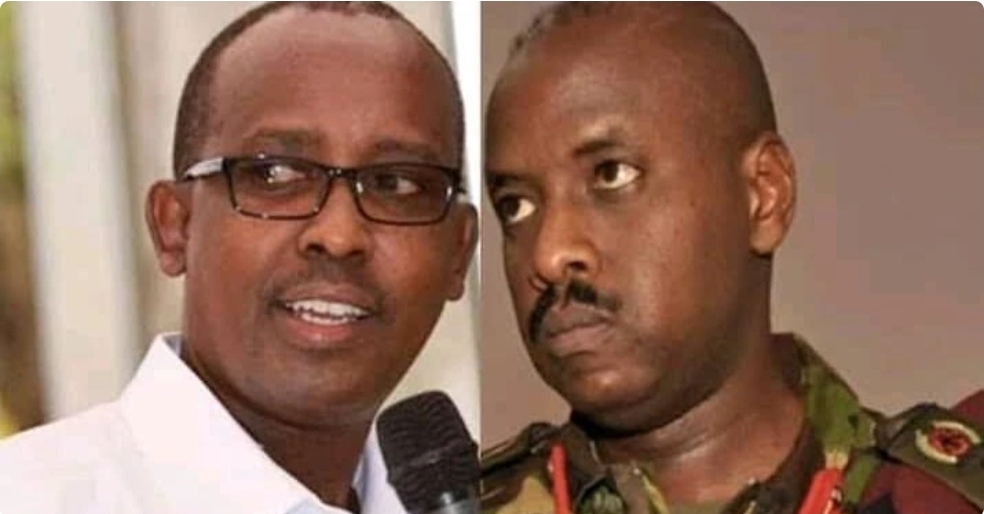 Rwabwogo Advised to ‘Eat His Bishop’ As MK Prepares to Enter State H’se: PREZ MUSEVENI ON HIS WAY OUT
Ultimate Uganda
Rwabwogo Advised to ‘Eat His Bishop’ As MK Prepares to Enter State H’se: PREZ MUSEVENI ON HIS WAY OUT
Ultimate Uganda
0 Comments