
Govt to slash lower primary subjects from eight to four
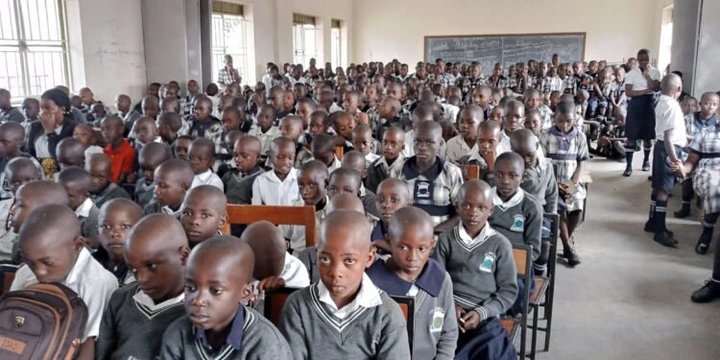

Pupils of St. Nicholas Mannya, one of the schools run by the Masaka Diocese, attend classes on the school's campus. The diocese has recently banned Sunday visitations in its schools to promote church attendance and spiritual growth among students and families
KAMPALA, Uganda — The Ministry of Education and Sports announced a major overhaul of the primary school curriculum that will reduce the number of subjects in lower primary from eight to four and introduce Kiswahili starting in the third grade.
The changes, which target Primary 1 through Primary 3, are designed to focus on skills and competencies rather than rote memorization. The new curriculum is scheduled for a pilot program in selected public and private schools in 2027, with a nationwide rollout planned for 2028.
Under the framework developed by the National Curriculum Development Centre, the four new learning areas are religious studies, mathematics, literacy and livelihood studies. These areas integrate previous subjects such as physical education, creative performing arts and integrated science.
John Chrysostom Muyingo, the minister of state for higher education, said the reforms aim to align primary education with the recently updated lower secondary curriculum.
The system will now focus on skills and competences, as opposed to reproducing content during final examinations, Muyingo said.
The literacy learning area will now encompass English, local languages and Kiswahili. While Kiswahili will be introduced in Primary 3, the government plans to maintain the use of English and local languages as instructional tools from the start of primary school.
The shift also introduces practical assessments. For example, the English curriculum will include oral evaluations for reading and listening, which will account for 50 percent of the final score in national examinations. In science, students will be required to complete hands-on projects, such as growing crops to demonstrate an understanding of germination.
NCDC Director Bernadette Nambi said the current curriculum is teacher-centered and contains obsolete information and repetitive content. The center has requested 4.08 billion Ugandan shillings to fund teacher training and the printing of syllabus documents for the upcoming pilot.
The government also plans to streamline the use of local languages for instruction. Currently, 54 languages are used, but a recent study recommended focusing on 22 feasible languages that possess developed orthographies and teaching materials. These include Luganda for the central region and Kiswahili nationwide, alongside various regional languages such as Lusoga, Acholi and Runyankole-Rukiga.


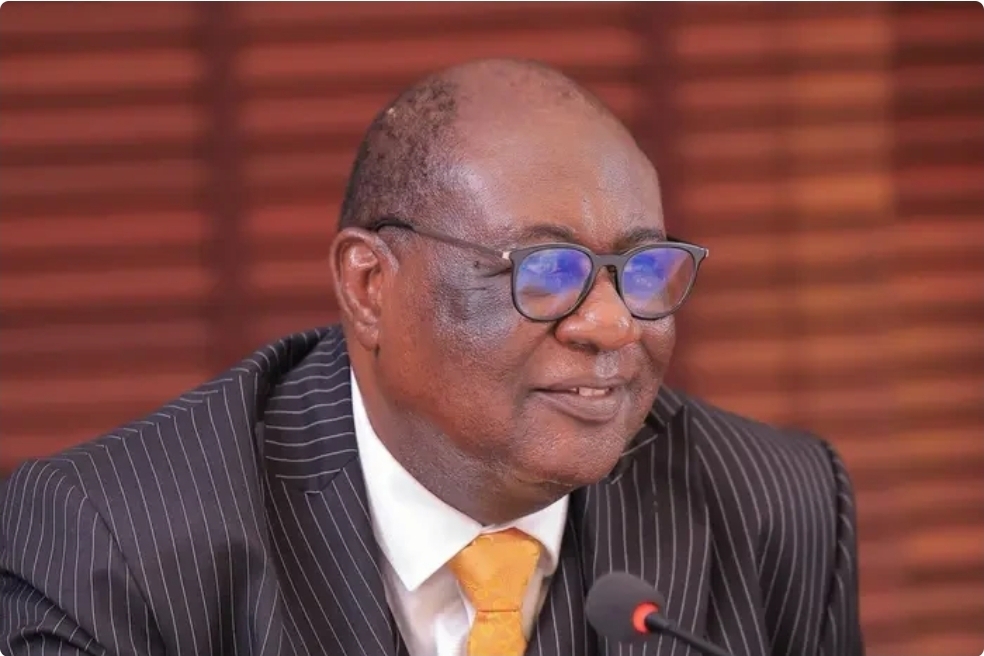 Government will not gazette Kijanangoma as King of Tooro for now - Attorney General insists
Ultimate Uganda
Government will not gazette Kijanangoma as King of Tooro for now - Attorney General insists
Ultimate Uganda
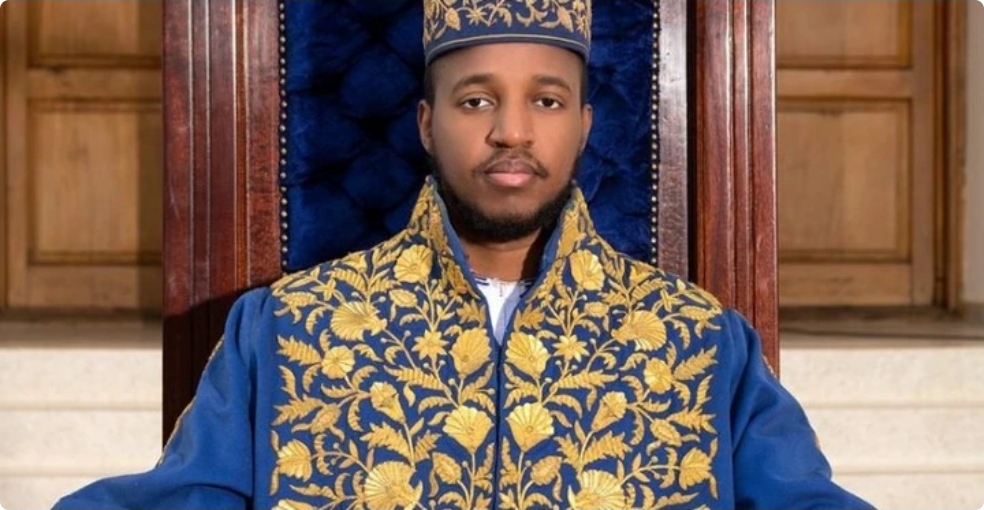 King Oyo’s Body to Arrive Thursday
Ultimate Uganda
King Oyo’s Body to Arrive Thursday
Ultimate Uganda
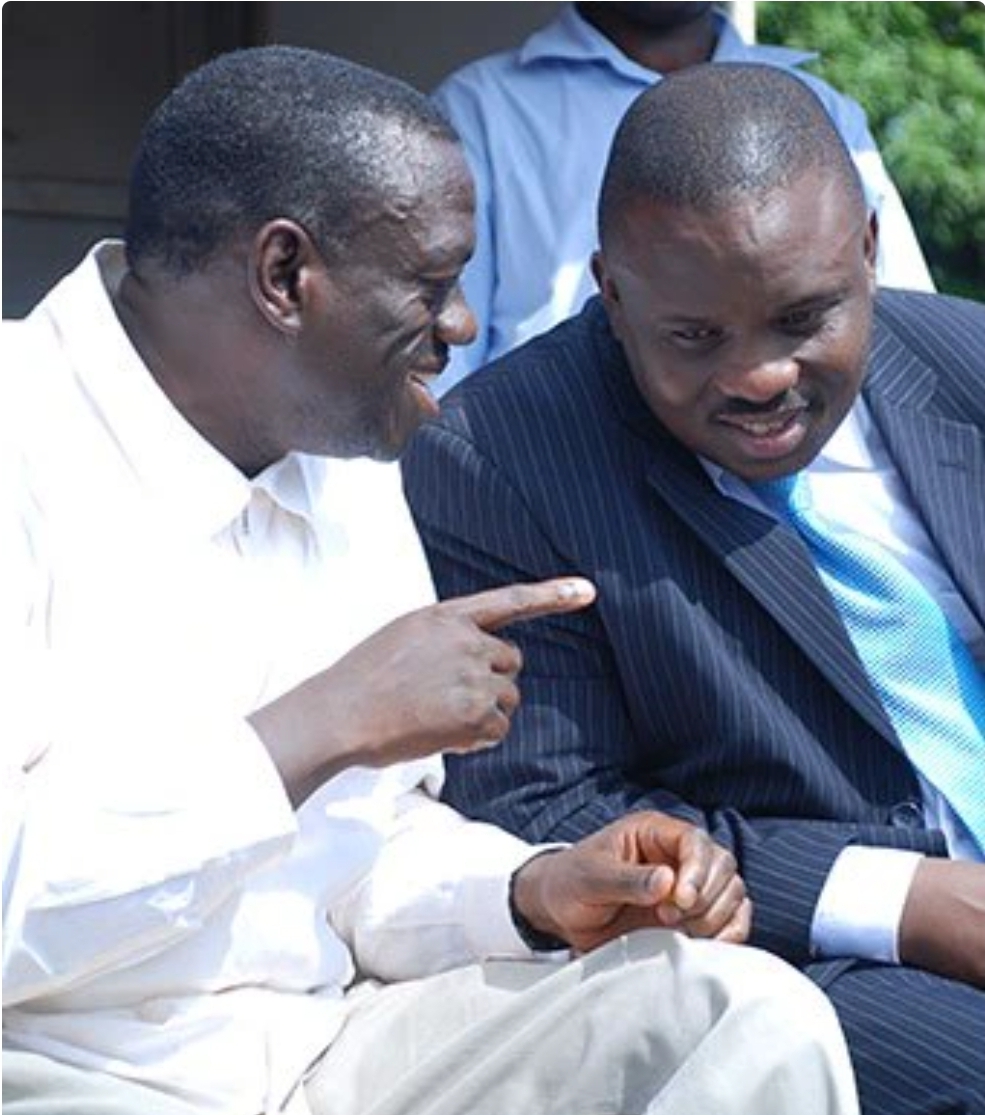 Besigye, Lukwago expected to meet Gen. Salim Saleh today at Kapeeke
Ultimate Uganda
Besigye, Lukwago expected to meet Gen. Salim Saleh today at Kapeeke
Ultimate Uganda
 Rwabwogo Advised to ‘Eat His Bishop’ As MK Prepares to Enter State H’se: PREZ MUSEVENI ON HIS WAY OUT
Ultimate Uganda
Rwabwogo Advised to ‘Eat His Bishop’ As MK Prepares to Enter State H’se: PREZ MUSEVENI ON HIS WAY OUT
Ultimate Uganda
0 Comments