
Teso Leaders Reject Sovereignty Bill Over Rights Concerns
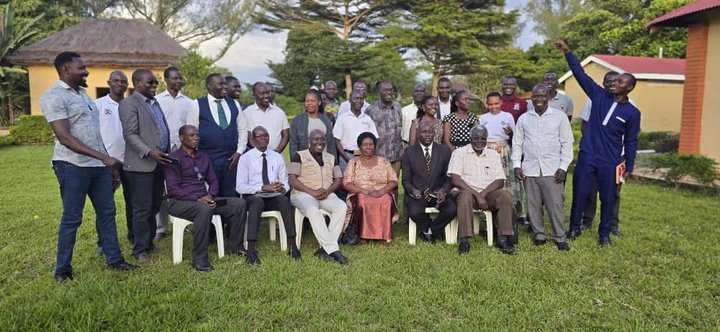

Leaders warn proposed law could erode citizenship, stifle freedoms, and weaken Uganda’s global ties
Leaders from the Teso sub-region have unanimously rejected the proposed Sovereignty Protection Bill currently before Parliament of Uganda, describing it as ambiguous, restrictive, and potentially dangerous to citizens’ rights and freedoms.
The position was reached during a regional reflection meeting that brought together stakeholders from cultural institutions, religious bodies, civil society, youth groups, political leadership, and the media.
Participants raised alarm over what they termed as glaring inconsistencies with the Constitution of Uganda.
At the center of the concerns is the bill’s perceived contradiction with Article 13, which guarantees the right to citizenship.
Leaders argued that provisions implying Ugandans could lose their citizenship based on foreign engagement—such as travel, education, or business—are unjustified and lack clarity.
They also warned that the bill could undermine transparency and accountability by limiting civic participation.
Referencing Article 38, which provides for citizens’ involvement in governance, participants said vague definitions such as “foreigner†and “foreign agent†could criminalize ordinary social and economic interactions.
“Nearly everyone interacts with foreign entities in one way or another, whether through telecommunications, trade, or development partnerships. This law risks labeling all citizens as foreign agents,†one participant said.
Concerns were further raised about the severity of penalties proposed in the bill, with critics arguing they are disproportionate and inconsistent with Article 28, which guarantees the right to a fair hearing.
Religious leaders added their voices to the opposition. Reverend Beseri Otekat of Soroti Diocese described the bill as “a murdering law,†warning that it could suffocate essential services such as education and community development, many of which rely on international partnerships.
Civil society actors, including women’s rights advocates, stressed that foreign support remains critical in complementing government efforts, especially in reaching vulnerable populations.
The meeting concluded with a unified call for the government to withdraw the bill in its current form, with leaders cautioning that its enactment could undermine democratic principles, human rights, and Uganda’s international cooperation.
They also signaled plans to mobilise nationwide resistance, urging Members of Parliament—particularly from Teso—to reject or push for the withdrawal of the bill during upcoming parliamentary debate.


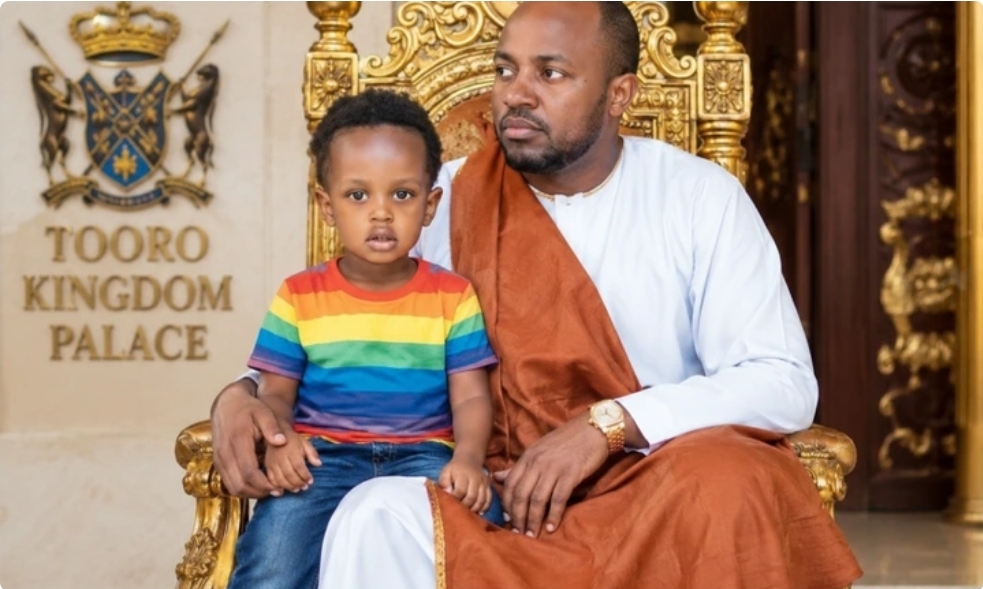 The women who have been in King Oyo’s life
Ultimate Uganda
The women who have been in King Oyo’s life
Ultimate Uganda
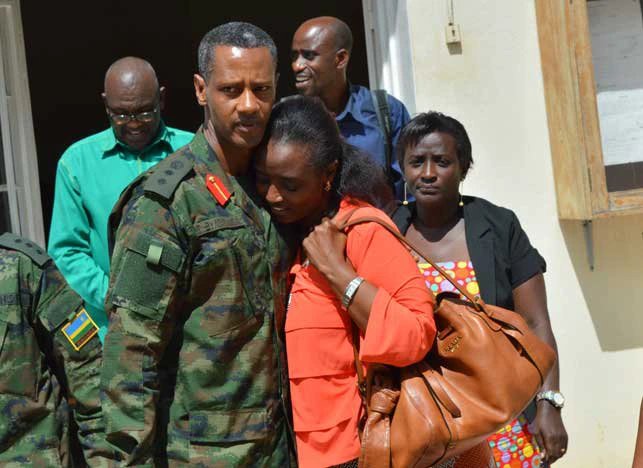 Ex Kagame Guard Commander Tom Byabagamba Dies in Rwandan Prison After 12 Years
Ultimate Uganda
Ex Kagame Guard Commander Tom Byabagamba Dies in Rwandan Prison After 12 Years
Ultimate Uganda
 Government begins salary payments for public sector workers – Reform Committee
Ultimate Uganda
Government begins salary payments for public sector workers – Reform Committee
Ultimate Uganda
 Temangalo land: NSSF, Nzenyi reach agreement
Ultimate Uganda
Temangalo land: NSSF, Nzenyi reach agreement
Ultimate Uganda
0 Comments