
Parliament Passes Tax Bills Amid Concerns Over Rising Cost of Living
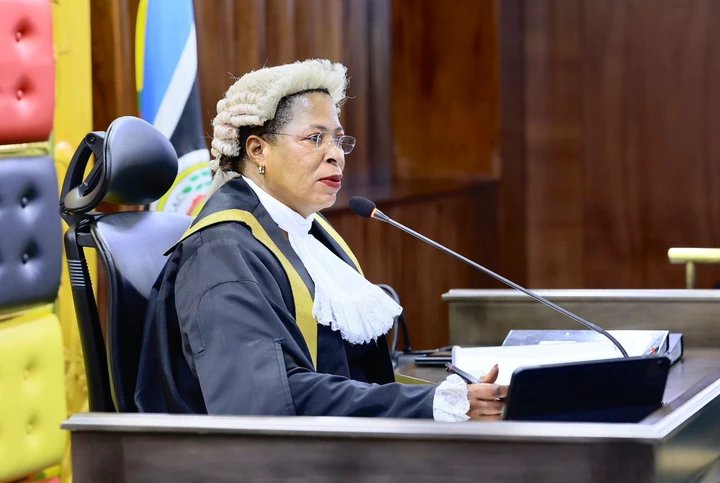

Parliament of Uganda has approved a raft of tax measures expected to raise Shs1.8 trillion for the 2026/27 budget, including a controversial fuel levy increase, despite concerns about inflation and economic pressure on citizens.
Parliament of Uganda has passed a series of tax bills aimed at raising Shs1.8 trillion to finance the 2026/27 national budget, with a significant focus on fuel levies and other consumer goods.
The government projects total domestic revenue collections of Shs44.5 trillion through tax measures and administrative reforms.
Central to the debate was the decision to increase the fuel levy by Shs200, pushing existing rates of Shs1,600 and Shs1,500 higher.
The move followed a heated parliamentary session, with several legislators warning that the increment could worsen the cost of living, especially amid ongoing global geopolitical tensions that continue to destabilise fuel prices.
Defending the proposal, State Minister for Finance (General Duties) Henry Musasizi said any reduction in the levy would significantly affect projected revenues.
He noted that the government expects to raise approximately Shs450 billion from the fuel levy alone, cautioning that scaling back the tax would create a shortfall in budget financing.
However, some Members of Parliament argued that domestic tax policy should not be influenced by external geopolitical uncertainties, insisting that Uganda must maintain its fiscal targets regardless of global conditions.
Beyond fuel, Parliament also approved a Shs200 levy on cooking oil, cooking fat, and sugar. Plastic products will now attract a Shs1,000 levy, with exemptions granted to plastics used in pharmaceutical manufacturing.
In the construction sector, legislators approved a Shs750 tax on cement and related products, lower than the initially proposed Shs1,000.
Meanwhile, a proposed registration tax of Shs500,000 on boda boda motorcycles sparked concern among MPs, many of whom argued that the levy would disproportionately affect riders, a large number of whom rely on the sector for employment.
A counter-proposal to reduce the levy to at least Shs300,000 was also rejected.
Parliament also rejected the Traffic and Road Safety (Amendment) Bill, 2026, which had sought to prohibit the importation of vehicles older than 13 years and impose a 50 percent levy on such imports.
Legislators described the bill as inconsequential, ultimately collapsing it and prompting its withdrawal.
The passage of the tax measures underscores the government’s push to expand domestic revenue mobilisation, even as concerns persist about the impact of increased taxation on households and businesses.


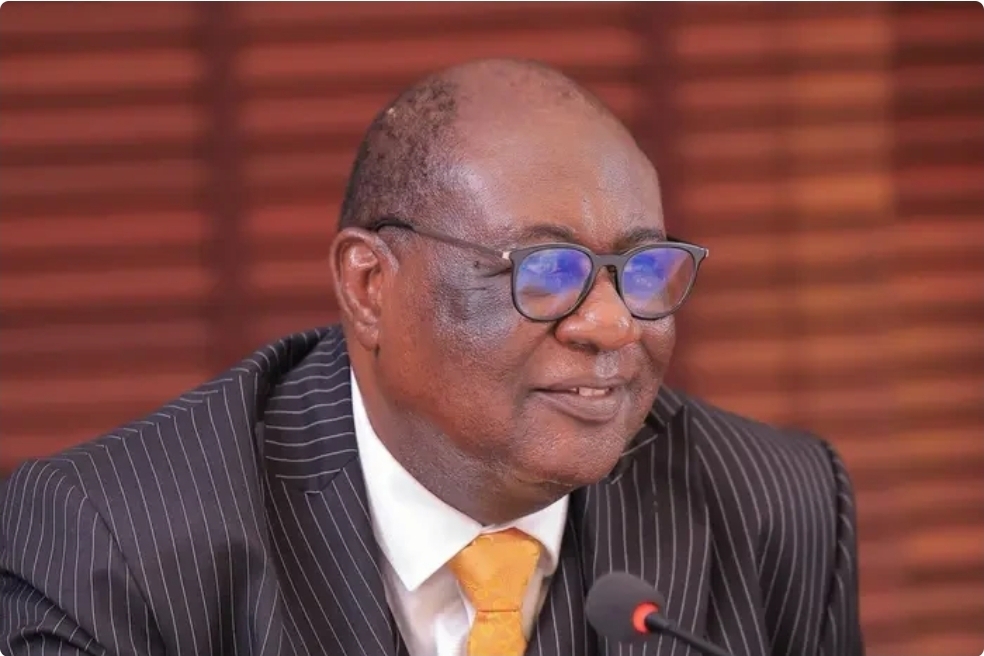 Government will not gazette Kijanangoma as King of Tooro for now - Attorney General insists
Ultimate Uganda
Government will not gazette Kijanangoma as King of Tooro for now - Attorney General insists
Ultimate Uganda
 King Oyo’s Body to Arrive Thursday
Ultimate Uganda
King Oyo’s Body to Arrive Thursday
Ultimate Uganda
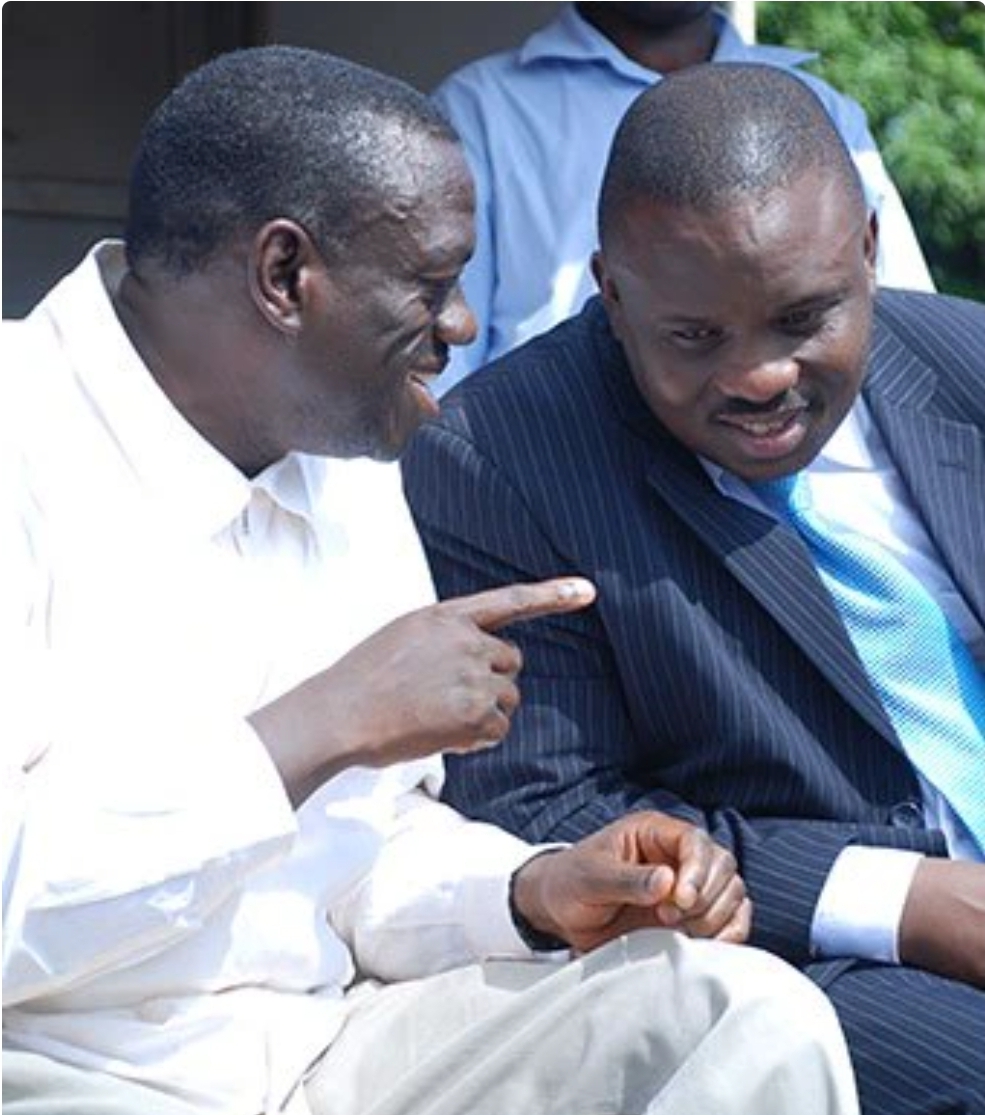 Besigye, Lukwago expected to meet Gen. Salim Saleh today at Kapeeke
Ultimate Uganda
Besigye, Lukwago expected to meet Gen. Salim Saleh today at Kapeeke
Ultimate Uganda
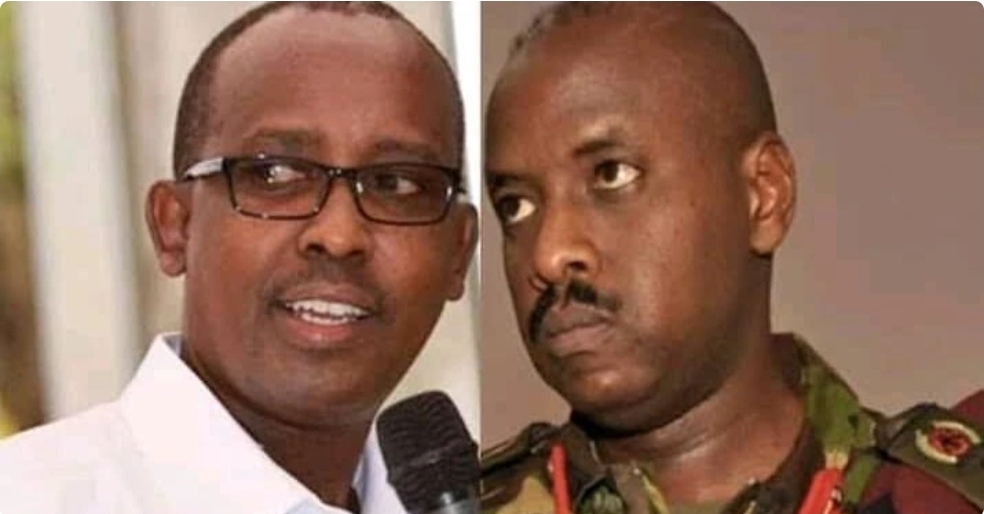 Rwabwogo Advised to ‘Eat His Bishop’ As MK Prepares to Enter State H’se: PREZ MUSEVENI ON HIS WAY OUT
Ultimate Uganda
Rwabwogo Advised to ‘Eat His Bishop’ As MK Prepares to Enter State H’se: PREZ MUSEVENI ON HIS WAY OUT
Ultimate Uganda
0 Comments