
Why MPs approved 30% tax on second-hand clothes: How you'll be affected
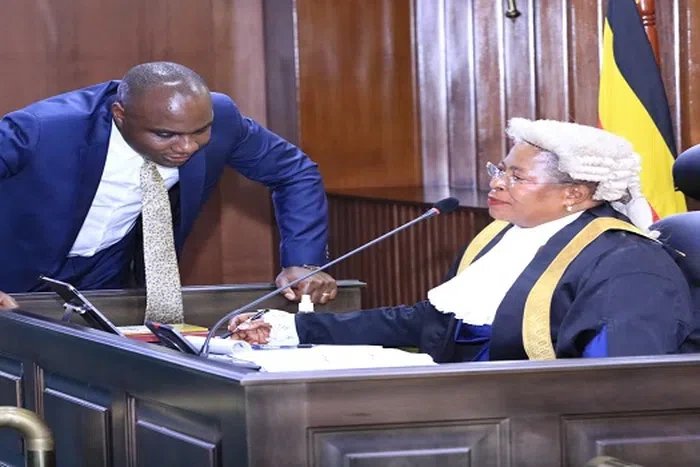

Members of Parliament have approved a 30 percent levy on imported second-hand clothes as part of wider tax reforms aimed at raising revenue and supporting local industries.
The tax was passed under the External Trade (Amendment) Bill, 2026 during a parliamentary sitting chaired by Speaker Anita Among on April 21, 2026. Government said the move is intended to boost Uganda’s textile sector and reduce reliance on imported used clothing.
Finance Committee chairperson Amos Kankunda told Parliament that the levy aligns with regional efforts under the East African Community to gradually phase out second-hand clothes. He said the policy also supports the “Buy Uganda, Build Uganda†strategy, which promotes locally made products.
State Minister for Finance Henry Musasizi backed the measure, saying it will not only protect local manufacturers but also increase government revenue. He argued that Uganda must create space for its textile industry to grow by limiting cheap imports.
However, the decision faced strong opposition from some lawmakers. Brenda Nabukenya said the tax will hit low-income earners the hardest, as many rely on second-hand clothes for affordable wear. She described the measure as unfair and warned it could reduce access to basic clothing.
The new levy is part of a broader package of tax changes approved by Parliament. Lawmakers also increased the VAT registration threshold from Shs150 million to Shs300 million to ease pressure on small businesses. They introduced a tax amnesty to clear old tax arrears and raised excise duties on several goods, including construction materials and imported alcohol.
Government maintains that the reforms will strengthen domestic revenue and support industrial growth. Critics argue that some measures may increase the cost of living for ordinary Ugandans.


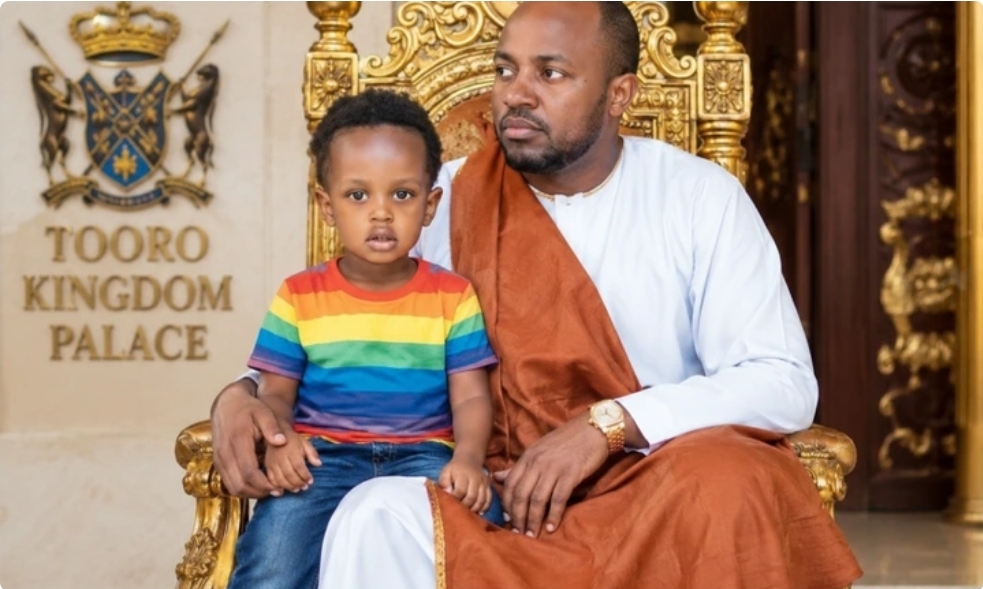 The women who have been in King Oyo’s life
Ultimate Uganda
The women who have been in King Oyo’s life
Ultimate Uganda
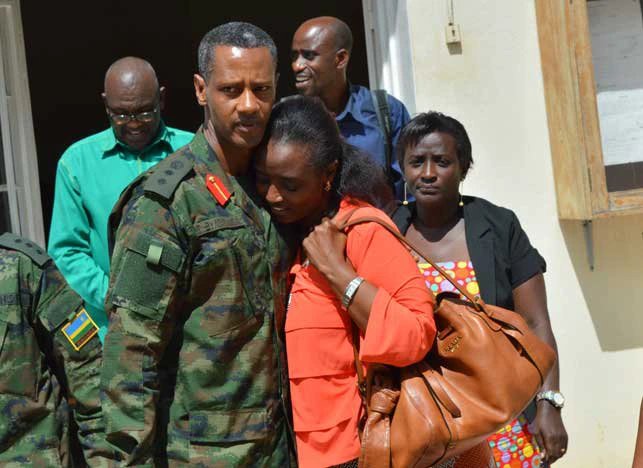 Ex Kagame Guard Commander Tom Byabagamba Dies in Rwandan Prison After 12 Years
Ultimate Uganda
Ex Kagame Guard Commander Tom Byabagamba Dies in Rwandan Prison After 12 Years
Ultimate Uganda
 Government begins salary payments for public sector workers – Reform Committee
Ultimate Uganda
Government begins salary payments for public sector workers – Reform Committee
Ultimate Uganda
 Temangalo land: NSSF, Nzenyi reach agreement
Ultimate Uganda
Temangalo land: NSSF, Nzenyi reach agreement
Ultimate Uganda
0 Comments