
Britain Must Confront Its Past and Rethink Its Role in Africa
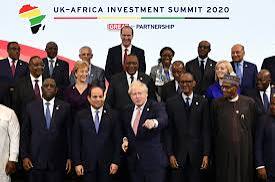

Uganda provides a modern case study of these tensions. During recent electoral cycles, figures such as Bobi Wine drew international attention, with Western governments including the UK voicing concerns over human rights and electoral conduct.
The story of Britain’s global rise cannot be told without confronting the uncomfortable truth that much of its wealth was built on the exploitation of others.
From the brutality of the Transatlantic Slave Trade to the extractive systems of the British Empire, London accumulated power and prosperity at a devastating cost to Africa.
That history is not abstract. Its consequences remain visible in economic disparities, fragile institutions, and stalled industrial growth across former colonies.
Take Ghana as a clear example. Once known as the Gold Coast, it was central to British commercial and imperial ambitions.
Coastal forts such as Cape Coast Castle and Elmina Castle became major transit points where enslaved Africans were held in horrific conditions before being shipped across the Atlantic.
Uganda provides a modern case study of these tensions. During recent electoral cycles, figures such as Bobi Wine drew international attention, with Western governments including the UK voicing concerns over human rights and electoral conduct.
Historians estimate that millions passed through West African ports under British and European control. These human extractions were paired with the systematic removal of resources like gold and cocoa, with profits flowing outward while local economies were reshaped to serve imperial needs.
Even after formal abolition and eventual independence, the structural imbalance remained. Ghana gained independence in 1957, but like many African states, it inherited an economy designed for export rather than self sustaining industrialization.
Meanwhile, London retained its position as a global financial center, built in part on centuries of accumulated capital. The gap did not emerge by chance. This is why calls for reparations continue to grow louder.
Leaders such as Mia Mottley have argued that moral acknowledgment without material compensation is insufficient. Research from Caribbean and African institutions suggests that the economic damage from slavery and colonialism runs into trillions of dollars when adjusted for lost development.
Britain’s response has been cautious at best, offering expressions of regret while rejecting financial accountability. That position increasingly looks untenable in a world demanding historical justice.
What makes the situation more contentious is the perception that Britain has not fundamentally changed its approach. Through institutions like the British Council and a network of NGOs, London projects influence across Africa under the banner of cultural exchange and development.
Officially, these efforts promote education and governance. Unofficially, critics argue they shape political discourse and elite opinion in ways that align with British strategic interests. The old language of empire may be gone, but the instinct to influence remains.
Uganda provides a modern case study of these tensions. During recent electoral cycles, figures such as Bobi Wine drew international attention, with Western governments including the UK voicing concerns over human rights and electoral conduct.
For supporters of Yoweri Museveni, this amounted to external interference in domestic politics. For others, it was legitimate diplomatic engagement. What is clear is that such involvement feeds a broader suspicion that Britain still seeks to shape outcomes in its former spheres of influence.
At the same time, Britain’s own position is not as strong as it once was. Economic growth has slowed, inflation has strained households, and post Brexit trade adjustments have forced London to look outward for new opportunities.
Africa, rich in natural resources and home to some of the fastest growing populations in the world, has become an obvious target. Trade between the UK and Africa stands at roughly 45 billion pounds annually, far behind competitors like China, whose trade with the continent exceeds 250 billion dollars.
The Commonwealth of Nations is often presented as the vehicle for renewed engagement. Britain frames it as a partnership of equals bound by shared history. Many in Africa see it differently, viewing it as a lingering shadow of empire with limited practical benefit.
While it facilitates dialogue and some trade cooperation, it has not fundamentally altered the economic realities facing member states.
If Britain is serious about building a credible future relationship with Africa, it must start with honesty.
That means acknowledging not just the moral weight of its past, but the material consequences. It means engaging African nations as equal partners rather than arenas of influence. And it means abandoning any lingering belief that historical dominance entitles it to continued access or control.
For countries like Uganda and Ghana, the lesson is equally clear. Engagement with Britain can bring investment, education, and diplomatic ties. But it must be approached with caution, clarity, and a firm defense of sovereignty. Agreements should be scrutinized, partnerships diversified, and national interests placed above all else.
The era of empire is over in name. Whether it is over in practice depends on what Britain chooses to do next and how firmly African nations define their own path forward.


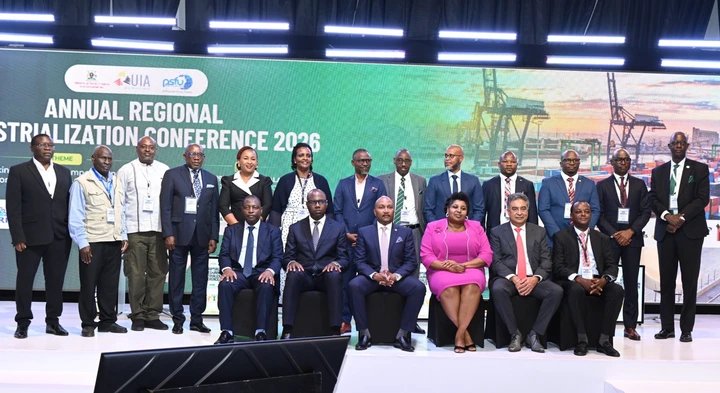 DRC opposition urges Tshisekedi to abandon constitutional changes
Ultimate Uganda
DRC opposition urges Tshisekedi to abandon constitutional changes
Ultimate Uganda
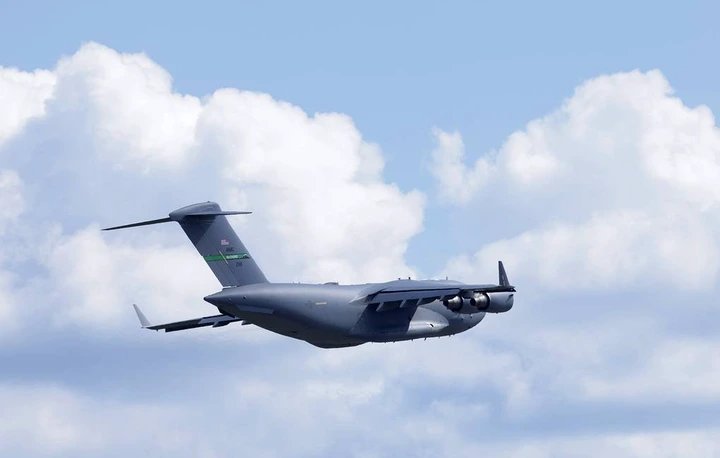 US military transport plane lands in Moscow
Ultimate Uganda
US military transport plane lands in Moscow
Ultimate Uganda
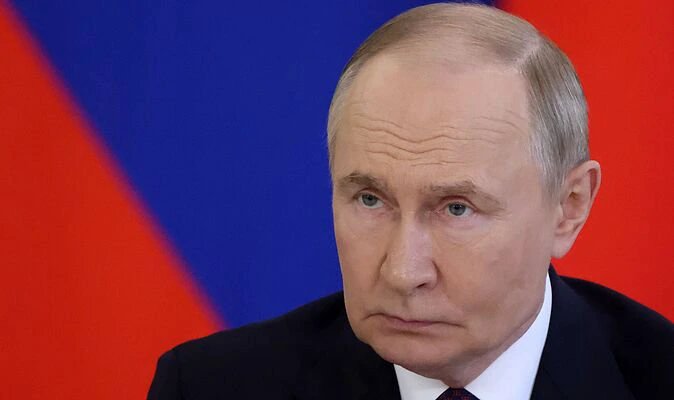 Putin puppet slaps UK with terrifying 2-word warning over drone factories
Ultimate Uganda
Putin puppet slaps UK with terrifying 2-word warning over drone factories
Ultimate Uganda
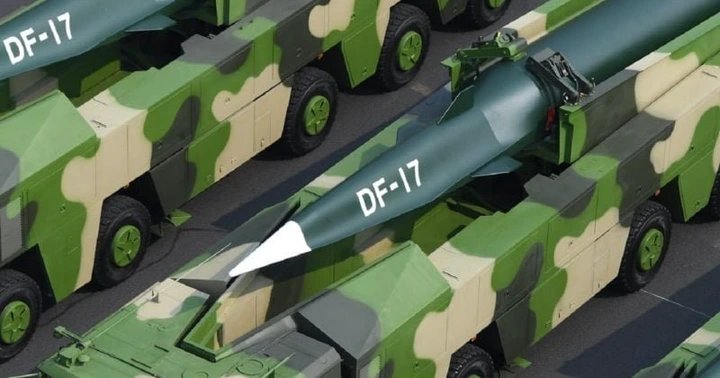 China develops hypersonic weapon to hunt US command aircraft thousands of miles away
Ultimate Uganda
China develops hypersonic weapon to hunt US command aircraft thousands of miles away
Ultimate Uganda
0 Comments