
Collapsed Mbale building exposes gaps in construction oversight
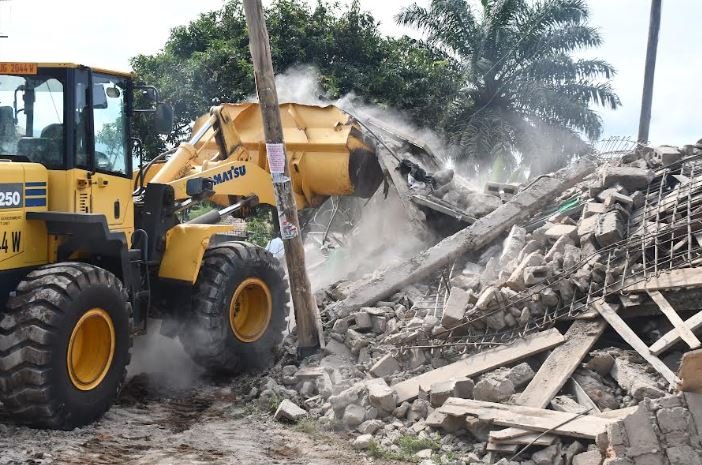

The collapse of a four-storey building in Mbale city that killed one person and injured several others has exposed deep cracks in construction oversight, with engineers, leaders, and residents raising concerns over widespread non-compliance with building standards.
Across Mbale’s suburbs, a surge in storeyed buildings is rapidly transforming the skyline. But Saturday’s collapse in Namakwekwe has triggered scrutiny over how such projects are approved, supervised, and executed.
Residents and experts say the incident is not isolated, warning that several structures across the city could be at risk.
Engineer Dan Mukwana, a private practitioner in Mbale, blamed weak enforcement by city authorities.
“For instance, why would one use the T12 (12mm) reinforcement bars in primary load-bearing column steel designed for domestic bungalows in a four-storey building,†Mr Mukwana said at the scene.
He explained that the structure lacked the necessary strength to support its load.
“Instead of the T12 bars, it would have been prudent if T16 steel bars were used in the construction of such a building. You cannot defy gravity with ‘copy-paste’ engineering. They also cast heavy, solid concrete slabs onto columns that lacked the tensile strength to hold them. When the weight reached a tipping point, the building didn’t lean; it collapsed,†Mr Mukwana added.
Local leaders say similar risky structures exist in areas including Namanyonyi, Musoto, Marare, Nauyo, Maluku, Namatala, and Bukonde.
Mr Robert Kisesi, Speaker of Northern City Division Council, said the collapse points to failures in inspection and enforcement.
“It’s unfortunate that such buildings are being erected without the supervision and inspection of the council,†Mr Kisesi said. “Under the Building Control Act, inspectors must verify the foundation and the steel reinforcement before a single drop of concrete is poured.â€
However, city authorities insist the collapsed building had not been approved.
Mr James Kutosi, speaking at a press conference, said records show no authorised plan for the structure.
“So far we have checked our files, but there was no approved plan for that collapsed building, and there was also a notice issued in 2024 halting its construction,†Mr Kutosi said.
He added that an investigation has been launched.
“The council has instituted an urgent and independent investigation into the circumstances surrounding this collapse to establish the cause of the incident, determine whether there was any breach of approved building standards, regulatory requirements or dereliction of duty by any responsible persons or offices,†Mr Kutosi said.
Residents say concerns had previously been raised about unsafe construction practices, including night and weekend building works along the Mbale–Tirinyi highway in Doko.
“There are many buildings that have been recommended for demolition and the exercise will soon begin,†Mr Kutosi said.
Beyond enforcement gaps, officials point to deeper structural challenges in urban planning.
Mbale city continues to rely on a 2019 physical development plan designed for its former municipal boundaries, covering only Wanale, Northern, and Industrial divisions.
Since attaining city status in 2020, the urban area has expanded to include Bukonde, Lwasso, Namabasa, Nakaloke, and other areas, creating a mismatch between planning and actual development.
Mr Abdallah Magambo, Deputy Speaker of Mbale City Council, warned that the absence of an updated master plan could worsen urban disorder.
“The people are constructing buildings everywhere, yet the government has plans to expand roads and may introduce flyovers in the future,†Mr Magambo said, urging authorities to develop a comprehensive plan covering all areas.
Mr Cosmas Busima, a retired senior architect, said Mbale’s expansion had outpaced planning.
“What we see in Mbale is largely what was left by the colonial administration in terms of infrastructure,†Mr Busima said.
Mr Ali Walusimbi, President of the Mbale City Development Forum, blamed political interference for weakening technical enforcement.
“Some people are constructing buildings in gazetted areas, including along the banks of River Nabuyonga,†Mr Walusimbi said.
Outgoing mayor Mr Kasim Namugali said limited funding has stalled efforts to develop a new master plan since the city’s elevation.
“The city set itself a target of two years to develop a master plan, which will guide infrastructure such as roads, drainage systems, settlement areas, business zones, and recreational facilities, but lack of funds has delayed the process,†Mr Namugali said.
Town Clerk Mr Assy Abireebe Tumwesigire said the scale of expansion has outgrown existing plans.
“The current plan covers about 55 square miles, yet the city has expanded to about 110 square miles, leaving many areas unplanned,†Mr Tumwesigire said.
He added that funds are expected to be allocated in the upcoming budget to develop a new physical development plan incorporating all areas added at city status.
Mbale officially became a city on July 1, 2020, alongside Arua, Gulu, Jinja, Mbarara, Masaka, and Fort Portal, as Uganda expanded its urban centres to drive regional development.


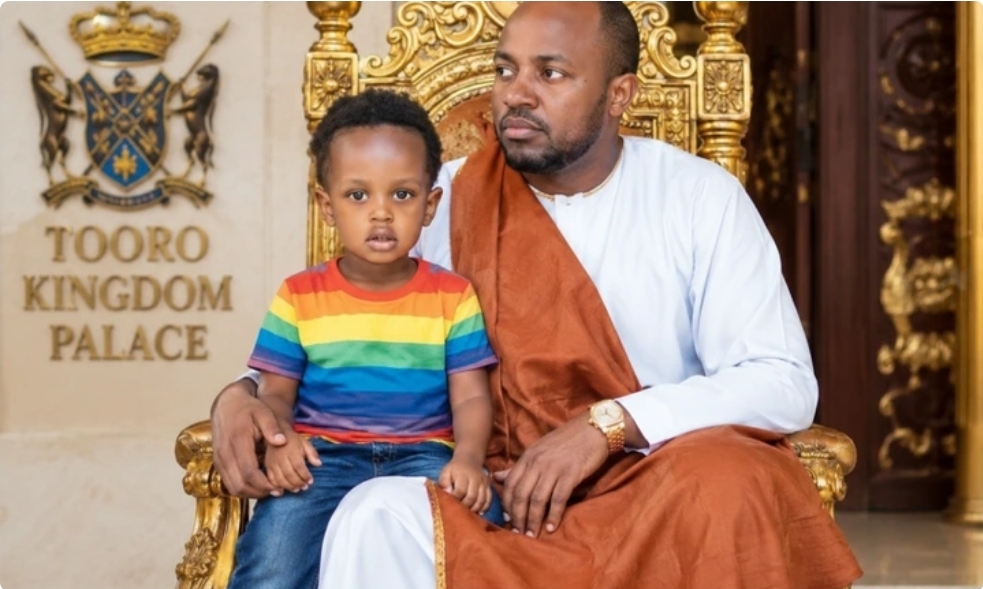 The women who have been in King Oyo’s life
Ultimate Uganda
The women who have been in King Oyo’s life
Ultimate Uganda
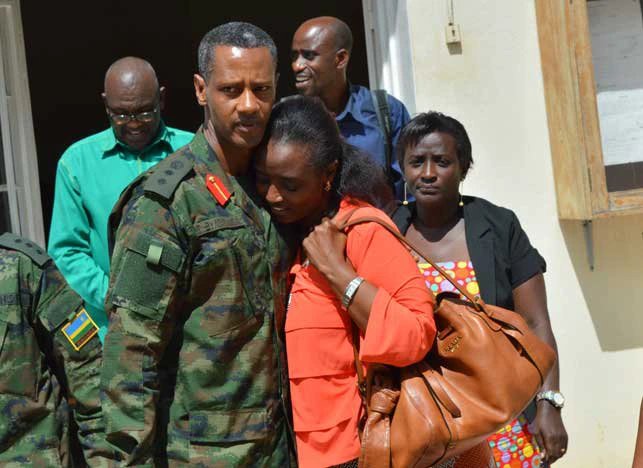 Ex Kagame Guard Commander Tom Byabagamba Dies in Rwandan Prison After 12 Years
Ultimate Uganda
Ex Kagame Guard Commander Tom Byabagamba Dies in Rwandan Prison After 12 Years
Ultimate Uganda
 Government begins salary payments for public sector workers – Reform Committee
Ultimate Uganda
Government begins salary payments for public sector workers – Reform Committee
Ultimate Uganda
 Temangalo land: NSSF, Nzenyi reach agreement
Ultimate Uganda
Temangalo land: NSSF, Nzenyi reach agreement
Ultimate Uganda
0 Comments